Tag

Pet Health

All articles tagged with #pet health

Study: 6% of Cats Carry Giardia, but Human Transmission Risk Is Low
health3 days ago

Study: 6% of Cats Carry Giardia, but Human Transmission Risk Is Low

A large-scale study analyzing over 157,000 cat fecal samples in the US and Canada found that 6.3% of cats carry Giardia, a parasite causing 'beaver fever.' While 18% of these infected cats carry strains that can infect humans, the absolute risk of human transmission from pets is low. Male, unneutered, and older cats show higher infection rates, with Midwest regions reporting the highest prevalence. Experts debate whether routine screening is necessary, with some advocating for hygiene over testing.


New Study Finds Humans, Not Dogs, Disrupt Sleep During Co-Sleeping
science5 days ago

New Study Finds Humans, Not Dogs, Disrupt Sleep During Co-Sleeping

A new University of Toronto study published in PLOS One indicates that sleeping with dogs does not negatively impact human sleep quality or duration. Using activity trackers on 25 people and 38 dogs in southern Ontario, researchers found that humans are more likely to disturb their dogs' sleep than vice versa. While some participants reported poor sleep when sharing a bed with multiple dogs, objective data showed no significant difference in sleep metrics compared to sleeping apart. The findings suggest that dogs may actually help regulate human sleep schedules by acting as 'zeitgebers,' providing consistent cues for bedtime and routine.

Clean Label Project study finds lead and heavy metals in 99% of top cat food brands

Clean Label Project study finds lead and heavy metals in 99% of top cat food brands

A new investigation by the nonprofit Clean Label Project tested 100 top-selling cat foods from 62 brands and found toxic contaminants in nearly all samples. Lead was detected in 99% of the products, while cadmium and arsenic appeared in 96% and 94% respectively. The study also identified toxic plastic chemicals and the herbicide glyphosate across wet, dry, and freeze-dried varieties. Fish-based foods showed higher levels of mercury and cadmium, whereas chicken-based options had higher rates of lead and herbicides. Experts warn that chronic exposure to these substances may accumulate in cats over time, potentially contributing to kidney disease, though the pet food industry maintains that current safety protocols ensure product safety.

Clean Label Project report reveals toxic contaminants in 99% of top-selling cat foods

Clean Label Project report reveals toxic contaminants in 99% of top-selling cat foods

A new investigation by the nonprofit Clean Label Project tested 100 top-selling cat foods from 62 brands and found toxic contaminants in nearly all samples. Lead was detected in 99% of the products, while cadmium and arsenic appeared in 96% and 94% respectively. The study also identified toxic plastic chemicals and the herbicide glyphosate across wet, dry, and freeze-dried varieties. Fish-based foods showed higher levels of mercury and cadmium, whereas chicken-based options had higher rates of lead and herbicides. Experts warn that chronic exposure to these substances may accumulate in cats over time, potentially contributing to kidney disease, though the pet food industry maintains that current safety protocols ensure product safety.

New Study Reveals Pervasive Heavy Metals and Plastics in Top Cat Foods
health-and-science10 days ago

New Study Reveals Pervasive Heavy Metals and Plastics in Top Cat Foods

A new investigation by the Clean Label Project found that nearly all top-selling cat foods contain toxic contaminants, including lead, mercury, arsenic, and plastic chemicals. Lead was detected in 99% of samples, while cadmium and arsenic appeared in 96% and 94% respectively. Fish-based foods showed significantly higher mercury levels, and dry food contained more lead than wet or air-dried options. Experts warn that chronic exposure may accumulate in cats, potentially contributing to kidney disease, though the industry argues current safety protocols ensure product safety.

Clean Label Project Report Detects Lead in 99% of Cat Food Samples
health-and-science10 days ago

Clean Label Project Report Detects Lead in 99% of Cat Food Samples

A new report by the Clean Label Project reveals that lead was found in 99% of 100 tested cat food products, with cadmium and arsenic also present in the vast majority. Fish-based foods showed significantly higher mercury levels, while dry food contained more lead than wet or air-dried options. The study notes these findings do not necessarily indicate immediate safety risks but highlight contamination patterns across brands.

Dog's breast cancer mirrors owner's battle as both beat the disease
health5 months ago

Dog's breast cancer mirrors owner's battle as both beat the disease

A UK woman battling a second breast cancer diagnosis adopted Dolly in 2018 for support; years later Dolly was diagnosed with breast cancer and underwent a mastectomy, with the cancer described as low-grade and requiring no further treatment, and both dog and owner are now cancer-free. The owner carries a BRCA2 gene mutation and also had a double mastectomy, illustrating the deep bond with a pet that can accompany and comfort patients through cancer treatment.

Everyday household toxins that can kill a pet
lifestyle7 months ago

Everyday household toxins that can kill a pet

A Washington Post veterinary column warns that common household items—especially during Easter—can poison pets, including cut flowers, chocolates, and sago palms, with other hazards like raisins, ibuprofen, and pennies. It emphasizes that delays in treatment can be fatal and outlines the importance of recognizing indoor toxins and seeking prompt veterinary care when exposure occurs.

Recognizing and Addressing Dog Dementia
health9 months ago

Recognizing and Addressing Dog Dementia

Dog dementia, or cognitive dysfunction syndrome (CDS), is common in aging dogs and shares similarities with human Alzheimer's disease, including memory and behavioral impairments. Early detection is crucial as symptoms worsen quickly, but there is no cure; treatments like medication and training are being explored. Dogs serve as valuable models for understanding dementia, which can also inform human health research.

The Mystery Behind the Disappearance of White Dog Poop in the 90s
health-and-pets1 year ago

The Mystery Behind the Disappearance of White Dog Poop in the 90s

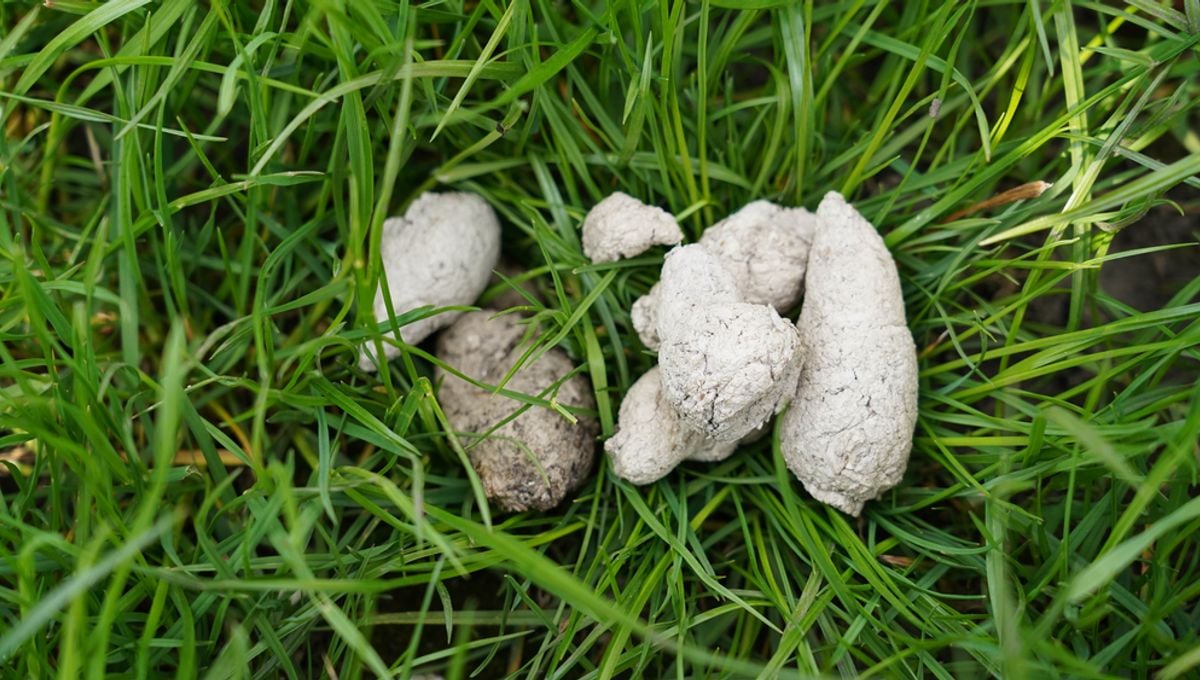
White dog poop was common in the 90s due to high calcium content in dog food, often from bone meal, which left mineral deposits in the stool. Changes in pet food formulations, reducing calcium-rich ingredients, have made white dog poop less common today. Excess calcium can be toxic, so pet owners should monitor their dogs' health and consult vets if unusual stool occurs.

"Vet Lists Dangerous Foods to Never Feed Your Dog"
pet-health2 years ago

"Vet Lists Dangerous Foods to Never Feed Your Dog"

Veterinarian Tiffany Ruiz-Dasilva advises against feeding dogs raw eggs, raw meat, and bully sticks due to health risks like bacterial contamination and potential nutritional deficiencies. She recommends commercially prepared diets formulated by experts to ensure safety and balance, especially in households with children or vulnerable individuals. Her advice has sparked debate among pet owners.

Shelby Co. Pet Hospital Warns of Deadly Tick-Borne Illness in Dogs
health2 years ago

Shelby Co. Pet Hospital Warns of Deadly Tick-Borne Illness in Dogs

A Tennessee veterinarian has diagnosed two dogs in the Arlington area with Rocky Mountain Spotted Fever, a potentially fatal tick-borne illness. Despite preventative measures, one of the affected dogs, a golden retriever named Stella, experienced severe symptoms but is now recovering. The veterinarian warns that the disease is a significant health concern in Tennessee and urges pet owners to maintain tick and flea prevention measures.