
CPSC Overhaul of Injury Tracking Demands Identifiable ER Data from 100 Hospitals
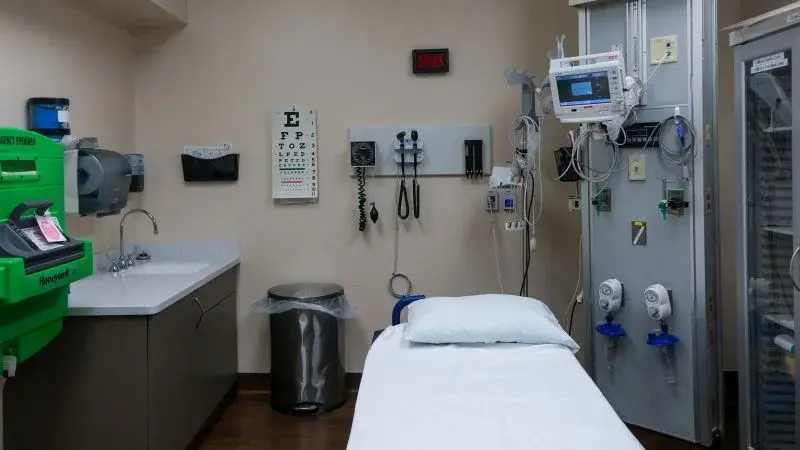
The Consumer Product Safety Commission is replacing its voluntary, de-identified injury surveillance system with a new program requiring 100 hospitals to share personally identifiable emergency room records with a private contractor. While the agency frames this as a modernization to speed up product recalls, critics and hospital executives question the legal authority, privacy risks, and scope of the data collection, which now includes injuries unrelated to consumer products.
Key points
- The CPSC is launching 'NEISS-R,' a new system to automatically pull electronic health records from 100 hospitals across all 50 states by the end of 2026, expanding from the previous 70 hospitals in 36 states.
- The private contractor, Konza Health, has described participation as 'mandatory' and is collecting identifiable patient data, including names, addresses, and diagnoses, for over 10,000 medical conditions.
- Critics argue the program violates federal privacy laws and bypasses required public notice and comment periods, as the CPSC has not notified the public of the new data demands.
- The new system includes injuries not regulated by the CPSC, such as vaccine reactions and suicide attempts, contradicting the agency's own operating manual which previously excluded identifiable information.
- Several major health systems, including Mass General Brigham and Harborview Medical Center, have declined to participate, citing patient privacy concerns and lack of legal obligation.
Background
This development follows a broader pattern of the Trump administration seeking access to sensitive medical records, including efforts by the Office of Personnel Management and HHS Secretary Robert F. Kennedy Jr. to collect data for vaccine and autism studies. The CPSC has also undergone significant leadership changes, with the firing of its Democratic board members and a high rate of career staff departures in 2025.
How outlets are covering it
KFF Health News and The New Republic emphasize the privacy risks and legal challenges, noting that the CPSC's demands for identifiable data contradict its own manual and federal privacy laws. POLITICO Pro frames the change as a necessary modernization to improve product safety recalls and expand data coverage to all 50 states. Hospital executives and legal experts, such as Sharona Hoffman and Alexander Hoehn-Saric, express concern over the lack of public notice, the potential for data misuse by a private contractor, and the dilution of data quality due to the removal of on-site human reviewers.
Why it matters
The shift from de-identified to identifiable data collection by a federal agency raises significant concerns about patient privacy and the scope of government surveillance. If the CPSC can mandate the sharing of sensitive health records without proper legal process or public comment, it could set a precedent for other agencies to access medical data, potentially undermining trust in the healthcare system and exposing patients to data breaches or misuse.
What to watch
The CPSC aims to have 100 hospitals participating in the new system by the end of 2026, with the potential to scale to over 5,000 hospitals. Hospitals that decline to participate may be subject to penalties under 'information blocking' regulations, though some are seeking exemptions. The outcome of this program will likely depend on legal challenges and the ability of the CPSC to justify its authority and data collection methods.
- Trump administration demands hospitals share emergency room records CNN
- Trump Admin Demands Emergency Room Records in Alarming Move The New Republic
- Federal agency's ER data push raises alarm, measles milestones and a gut-heart discovery WKYC
- Article | Trump administration to upgrade national consumer product injury database POLITICO Pro
- U.S. CPSC to Expand NEISS-R Injury Surveillance Nationwide to All 50 States by Early 2027 TradingView
Want the full story? Read the original reporting
Read on CNN