
BBC Correspondent Finds 30-Plant Weekly Diet Easier Than Expected
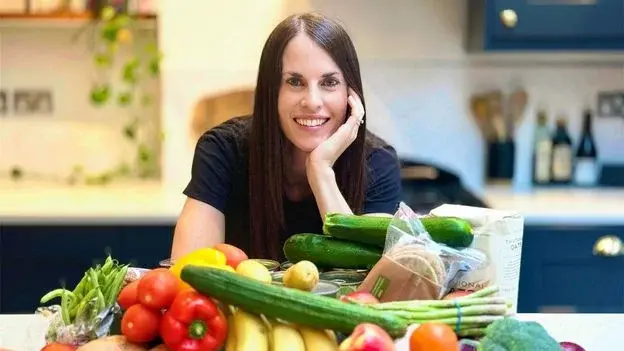
A BBC health correspondent tested the '30 plants a week' dietary trend and found it surprisingly manageable, ultimately consuming 51 distinct plant items. The trend, rooted in a 2018 study linking plant diversity to gut microbiome health, is achievable through small changes like adding spices and whole grains. Experts note that the target is flexible, with benefits possible at lower counts, and that existing healthy diets often already meet the threshold.
Key points
- BBC senior health correspondent Melissa Hogenboom conducted a one-week experiment to test the '30 plants a week' goal, resulting in a total of 51 plant items consumed.
- The trend originates from a 2018 study by Rob Knight at UC San Diego, which found that eating at least 30 plants weekly correlates with a more biodiverse gut microbiome.
- Counting includes fruits, vegetables, whole grains, legumes, nuts, seeds, herbs, spices, tea, coffee, and chocolate, with some sources suggesting the latter count as partial points.
- Hogenboom achieved the goal by varying breakfast fruits, using leftovers for lunch, and planning diverse dinner recipes, noting that the challenge was primarily in planning rather than cost or complexity.
- Nutrition scientists indicate that the 30-plant target is arbitrary; individuals already eating moderately diverse diets may see diminishing returns, while those with low plant intake see the most significant microbiome improvements.
Background
This story follows a broader trend in health metrics, similar to the '10,000 steps' or 'five a day' campaigns. Recent research, as noted in our archive, has also linked plant-based diets to improved physical appearance through carotenoids, adding another layer to the appeal of increasing plant consumption.
Why it matters
The '30 plants a week' goal offers a practical, low-barrier method for improving gut health and reducing inflammation. By demonstrating that the target is achievable without drastic lifestyle changes or increased costs, the trend encourages sustainable dietary diversity, which is linked to reduced risk of early death and improved overall well-being.
What to watch
Hogenboom plans to continue varying her weekly ingredients and incorporating more nuts and seeds into meals. The broader implication is that individuals can adopt this habit gradually, focusing on adding diverse plant items to existing meals rather than overhauling their entire diet.
Want the full story? Read the original reporting
Read on BBC