
FDA blocks ivonescimab approval in EGFR-mutated lung cancer, citing lack of survival data
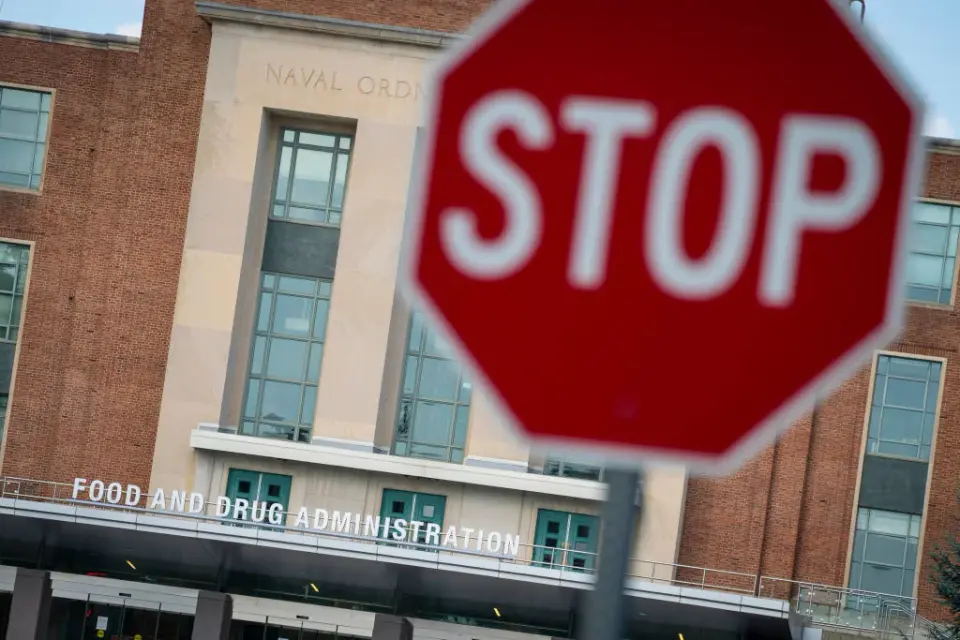
The FDA issued a Complete Response Letter rejecting Summit Therapeutics' application for ivonescimab in EGFR-mutated non-small cell lung cancer (NSCLC). The agency determined that the drug failed to demonstrate a statistically significant overall survival benefit, a requirement Summit argued was not met by the Western cohort data. Despite the setback, Summit retains significant financial backing from AstraZeneca and continues development in other cancer settings.
Key points
- The FDA rejected the Biologics License Application for ivonescimab, stating that progression-free survival benefits without statistically significant overall survival do not support approval.
- Summit Therapeutics noted that while the initial Western cohort data showed a hazard ratio of 0.98, later analyses improved to 0.76, matching global results, but the FDA maintained its stance.
- Ivonescimab was previously approved in China in May 2024 for the same indication, where trial data showed a 26% reduction in death risk.
- Summit recently secured a $2 billion investment from AstraZeneca, providing capital to continue clinical trials for ivonescimab in first-line NSCLC and other cancers.
- The rejection delays the U.S. launch of a drug class that competitors, including Merck and Pfizer, are also developing to potentially rival Keytruda.
Background
In October 2026, AstraZeneca invested $2 billion in Summit Therapeutics, describing ivonescimab as a next-generation cancer therapy. The FDA’s recent rejection follows a period of intense competition in the PD-1xVEGF bispecific antibody space, with multiple major pharmaceutical companies advancing similar drugs into phase 3 trials.
How outlets are covering it
Fierce Pharma and Endpoints News framed the FDA’s decision as an anticipated regulatory hurdle, noting that analysts had assigned only a 40% probability of approval due to the initial failure of the overall survival endpoint. Summit Therapeutics, via its press release, emphasized that the drug met progression-free survival endpoints and that later data cuts showed improved survival metrics, arguing that the FDA’s strict adherence to the initial overall survival requirement was the primary barrier. While industry watchers viewed the rejection as a setback for ivonescimab’s first-mover advantage, Summit’s leadership maintained that the broader development program remains unaffected by the outcome in this specific patient population.
Why it matters
The rejection highlights the FDA’s stringent requirements for overall survival data in oncology approvals, particularly in niche settings like EGFR-mutated NSCLC. It shifts the competitive landscape for PD-1xVEGF bispecifics, allowing rival drugs from Merck, Pfizer, and others to potentially gain earlier market access. For Summit, the decision underscores the importance of its upcoming first-line NSCLC trials and the strategic value of its AstraZeneca partnership in sustaining development through regulatory challenges.
What to watch
Summit Therapeutics will focus on the Harmoni-3 trial for first-line NSCLC, with final progression-free survival data for the squamous cohort expected by the end of 2026 and nonsquamous data in early 2027. The company will continue its extensive collaboration with AstraZeneca and other partners to test ivonescimab in combination with various antibody-drug conjugates and inhibitors across multiple cancer types.
- FDA rejects Summit’s ivonescimab, derailing US arrival of much-hyped PD-1xVEGF class Fierce Pharma
- Summit Therapeutics Provides Update Regarding Ivonescimab Biologics License Application Yahoo Finance
- US FDA declines to approve Summit lung cancer drug after trial misses key survival goal Reuters
- US FDA Rejects Summit’s China-Originated Lung Cancer Drug Bloomberg.com
- FDA rejects Summit, Akeso’s ivonescimab in narrow lung cancer setting Endpoints News
Want the full story? Read the original reporting
Read on Fierce Pharma