
FDA Escalates Midwest Poultry Egg Recall to Class I Amid 98 Salmonella Cases
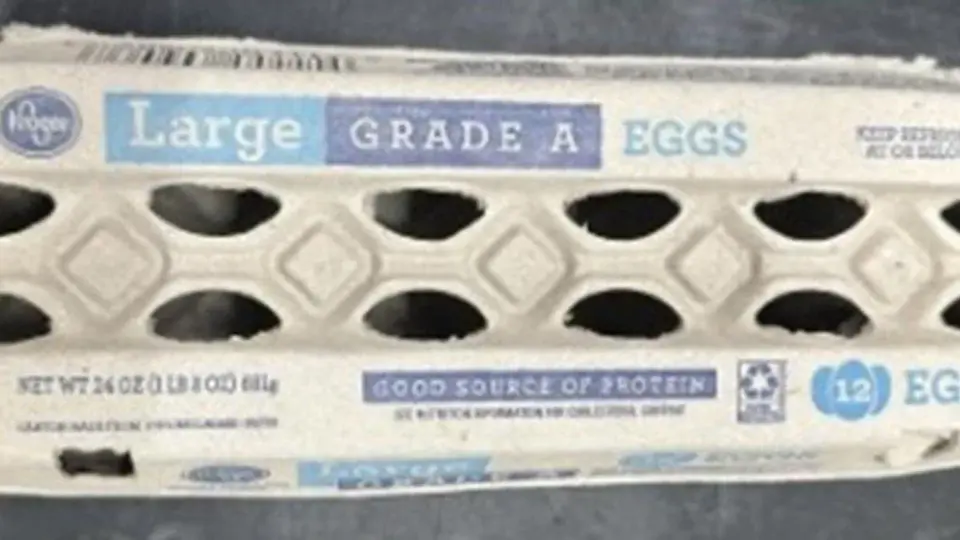
The FDA has upgraded a voluntary recall of nearly 19 million eggs by Midwest Poultry Services to Class I, its highest risk level, following a Salmonella outbreak that has sickened 98 people across 17 states. The affected white and brown cage-free eggs, produced in Texas, were sold at Kroger and Brookshire Grocery stores as well as to foodservice customers. Consumers are urged to discard any eggs with carton codes P-1950 or 0840962 and Julian dates between 157 and 184, as the upgrade indicates a serious risk of health consequences or death. This escalation follows an initial precautionary recall in July 2026 when no illnesses had yet been reported.
Key points
- FDA upgraded the recall of nearly 19 million eggs to Class I, indicating a serious risk of health consequences or death.
- The recall involves white and brown cage-free eggs produced by Midwest Poultry Services in Texas.
- A Salmonella outbreak linked to these eggs has resulted in 98 illnesses across 17 states.
- Affected eggs were sold at Kroger and Brookshire Grocery stores, as well as to foodservice customers.
- Consumers should discard eggs with carton codes P-1950 or 0840962 and Julian dates 157–184.
Background
In late July 2026, Midwest Poultry Services voluntarily recalled approximately 19 million eggs due to potential Salmonella contamination. At that time, the recall was precautionary with no reported illnesses. The affected eggs, which had sell-by dates between July 20 and August 17, 2026, were distributed across Texas, Oklahoma, Louisiana, and other states. The current escalation to Class I reflects the emergence of confirmed illnesses, marking a significant shift from the initial precautionary measure.
Why it matters
The upgrade to Class I signals a severe public health risk, as this classification is reserved for situations likely to cause serious adverse health consequences or death. With 98 confirmed illnesses across 17 states, consumers must act immediately to avoid potential exposure. The involvement of major retailers like Kroger and Brookshire Grocery means the affected products reached a wide geographic area, increasing the urgency for public compliance with the recall.
What to watch
Consumers should immediately check their refrigerators for eggs matching the specified carton codes and Julian dates. Those who have consumed the affected eggs and experience symptoms such as diarrhea, fever, or stomach cramps should seek medical attention. The FDA and Midwest Poultry Services are expected to continue investigating the source of the contamination and may issue further updates as the outbreak is monitored.
Want the full story? Read the original reporting
Read on WPEC