
FDA Panel Recommends Approval for Six Banned Peptides, Igniting Industry Hopes
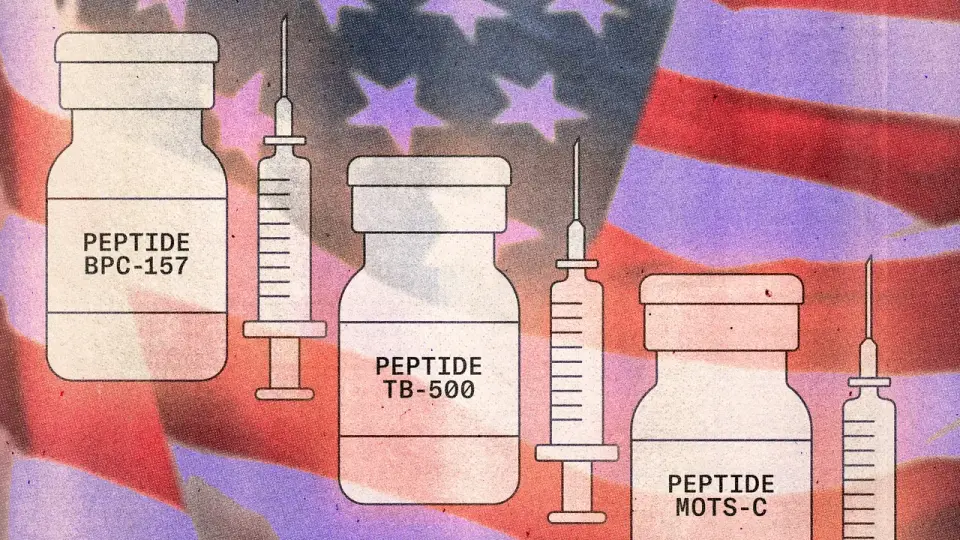
The FDA advisory panel recommended approving six previously banned peptides, including the 'Wolverine Stack,' after a contentious two-day hearing. While industry supporters argue this will curb the unregulated gray market, career scientists and some experts warn that human clinical trials are insufficient to confirm safety. The final decision rests with the FDA, which may take months or years, potentially delaying widespread availability until 2027.
Key points
- The FDA panel voted to recommend approval for six of seven peptides, including BPC-157, TB-500, KPV, MOTS-c, Emideltide, and Semax; only Epitalon was rejected.
- The hearing featured 14 voting members, with eight new experts added late due to concerns about industry bias in the original panel composition.
- Hims stock rose 13% after the first day of hearings, despite its chief medical officer admitting the evidence for BPC-157 is not strong.
- Career FDA scientists expressed concern that the approvals were driven by market demand rather than solid scientific evidence, noting a lack of phase one, two, and three trials.
- The FDA has not yet accepted the panel's recommendations, and the final decision could take months or years, potentially delaying legal market access until 2027.
Background
Peptides have gained popularity in wellness and longevity circles, often purchased through unregulated gray markets. Previous coverage highlighted concerns about safety and purity in these unlicensed products, with experts urging caution and robust testing. The current regulatory shift follows a broader push by Health and Human Services Secretary Robert F. Kennedy Jr. to expedite reclassification, arguing that the previous ban was overreaching.
Why it matters
The potential approval of these peptides could legitimize a multibillion-dollar industry and shift consumer behavior from unregulated gray markets to physician-supervised care. However, the lack of robust clinical trials raises significant safety concerns, and the final FDA decision will determine whether these substances become mainstream medical treatments or remain in a regulatory limbo.
What to watch
The FDA will review the panel's recommendations, a process that historically takes months to years. If approved, companies like Hims may begin selling these peptides, but the timeline remains uncertain, with some experts suggesting availability could be delayed until 2027.
Want the full story? Read the original reporting
Read on GQ