Tag

Peptides

All articles tagged with #peptides

Teens chase rapid body changes by buying unregulated peptides online
health19 days ago

Teens chase rapid body changes by buying unregulated peptides online

A growing number of teens are injecting black-market peptides they find on social media—such as retatrutide and melanotan—for quick weight loss and tanning. Sourced through informal networks like Telegram, these products are often labeled “not for human consumption” and used in DIY stacks, with minimal medical oversight and unknown long-term health risks. Experts warn that adolescence is a critical development period, and unregulated, rapidly acting peptides can have serious consequences, including hormonal disruption, cardiovascular issues, and skewed body image driven by looksmaxxing culture.

Retatrutide: The Unapproved Weight-Loss Peptide Raising Big Hopes—and Red Flags
health1 month ago

Retatrutide: The Unapproved Weight-Loss Peptide Raising Big Hopes—and Red Flags

Retatrutide is an experimental peptide that targets GLP-1, GIP, and glucagon to suppress appetite and boost fat loss; it’s unapproved globally and already circulating online, with early trials showing strong weight loss but under strict medical supervision. Real‑world use carries safety concerns like gastrointestinal side effects and at least one death being investigated; lack of regulation means contaminated or misdosed products are possible, and Australia’s TGA has warned about importing unapproved peptides. Experts caution that achieving shredded results depends on resistance training and protein intake, and mood or relationship effects are still unclear.

Kennedy seeks FDA reconsideration of 12 unproven peptides amid safety concerns
health-policy1 month ago

Kennedy seeks FDA reconsideration of 12 unproven peptides amid safety concerns

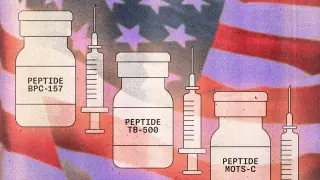
The FDA announced July 2026 and February 2027 advisory meetings to consider restoring access to 12 unproven peptides previously removed from a compounding-drug list due to safety risks, despite no new supporting safety or efficacy data. RFK Jr. has championed these peptides, claiming the meetings will “restore science,” while critics warn the Pharmacy Compounding Advisory Committee is under-staffed and at risk of being populated by allies, potentially circumventing standard drug-approval scrutiny. The seven peptides to be reviewed in July are BPC-157, KPV, TB-500, MOTs-C, Emideltide (DSIP), Semax, and Epitalon; the five scheduled for February 2027 are Cathelicidin LL-37, GHK-Cu, Dihexa-acetate, Melanotan II, and Mechano Growth Factor PEG-MGF, all of which lack proven uses.

Peptides as Next Growth Frontier for Hims & Hers as GLP-1 Business Evolves
business1 month ago

Peptides as Next Growth Frontier for Hims & Hers as GLP-1 Business Evolves

Hims & Hers Health is pursuing peptides as a potential growth driver as its high‑margin compounded GLP‑1 business matures. The FDA plans a July 2026 review of peptides for possible inclusion on the 503A bulk list, a step that could enable regulated, physician‑led peptide therapy and unlock new revenue, though progress is not immediate and clinical evidence is limited. The company bought a peptide facility in 2025 and intends to steer users toward branded therapies rather than proprietary compounded GLP‑1 drugs.

FDA weighs loosening rules on unproven peptide injections
health1 month ago

FDA weighs loosening rules on unproven peptide injections

The FDA says it will convene a July advisory panel to decide whether seven popular but unproven peptide injections should be added to a list allowing pharmaceutical compounding, potentially easing restrictions. The move aligns with Health Secretary RFK Jr.’s push to loosen peptide regulations and the stance of MAHA supporters, though critics warn that most peptides lack safety data and could bypass traditional drug testing. Even if advisers approve, the agency must still complete formal rulemaking. Some peptides are banned by sports bodies and have previously been placed on restricted lists due to health risks, underscoring ongoing safety concerns around this market.

FDA to Review Easing Peptide Restrictions as RFK Jr. Endorses Them
health1 month ago

FDA to Review Easing Peptide Restrictions as RFK Jr. Endorses Them

The FDA will convene an advisory panel in July to decide whether seven popular injectable peptides should be added to the list allowing pharmacies to compound them, signaling a potential loosening of restrictions on unapproved therapies championed by RFK Jr. While supporters say it could improve access, critics warn of safety risks and the lack of extensive human testing; any change would still require formal rulemaking, and the process may be influenced by Kennedy’s public stance and current agency vacancies.

Glow-up hype vs. safety: experts warn against unapproved injectable peptides
health1 month ago

Glow-up hype vs. safety: experts warn against unapproved injectable peptides

Influencers hype injectable peptides as a quick fix for acne, hair, pain and UTIs, but most are research-use only and sold online through unregulated channels. Benefits cited in marketing aren’t supported by robust clinical data, and contents, purity and safe dosing are unknown, posing risks such as skin cancers from tanning peptides, kidney issues and immune reactions. Even promising candidates like retatrutide require further trials to establish dosing and side effects, and using them without a doctor’s supervision can be dangerous. The piece cites experts from the Australian Medical Association and the University of Adelaide and notes a claim by US official RFK Jr. about approving peptide drugs for public sale.

Regulatory rethink: FDA weighs adding peptides and non-food ingredients to supplements
policy1 month ago

Regulatory rethink: FDA weighs adding peptides and non-food ingredients to supplements

Industry groups are pressing the FDA to broaden dietary-supplement rules beyond food-derived ingredients to include substances like peptides and probiotics, prompting a public meeting on how a 1994 framework could accommodate non-traditional ingredients while grappling with safety, oversight, and the balance between innovation and consumer protection.

The DIY Peptide Boom: Hype, Hazards, and Hidden Costs
health2 months ago

The DIY Peptide Boom: Hype, Hazards, and Hidden Costs

A Skeptic Magazine piece warns that although FDA‑approved peptide drugs have advanced medicine, a growing grey-market of unapproved, self-injected peptides sold online poses serious risks: unknown ingredients, immunogenic reactions, potential cancer-related angiogenesis, contamination, and scant human data. It contrasts legitimate peptide pharmacology with unsafe, unregulated products, discusses FDA regulatory shifts that don’t guarantee safety or efficacy, and argues that true medical progress requires rigorous trials, physician oversight, and quality controls rather than influencer hype and DIY injections.

Peptides on the Internet: Hype, Hazards, and the Evidence Gap
health2 months ago

Peptides on the Internet: Hype, Hazards, and the Evidence Gap

Online peptide products are marketed as cures and anti-aging solutions, but most are unregulated and lack solid human trials; safety and efficacy are not guaranteed. FDA-approved peptide uses exist (e.g., insulin, skincare components, GLP-1 medications), yet the unregulated market operates like a “wild west” with red flags. Social media and e-commerce drive interest, while experts warn that real, rigorous evidence is often missing and claims should be viewed skeptically.

health-policy2 months ago

Kennedy eyes FDA action to widen peptide access and spur a booming market

Health Secretary Kennedy Jr. signals that the FDA will broaden access to peptide therapies—a fast-growing, largely unregulated market—by taking action that could loosen rules for domestic compounding. Supporters say it will improve patient access, while critics warn of safety risks due to limited long-term data and a thriving gray/black market for unproven products. The move comes amid industry litigation, lobbying by compounding pharmacies, and high commercial interest in peptide-based treatments like GLP-1 therapies.