
FDA Panel Endorses Grail Cancer Test Despite Negative Trial Results
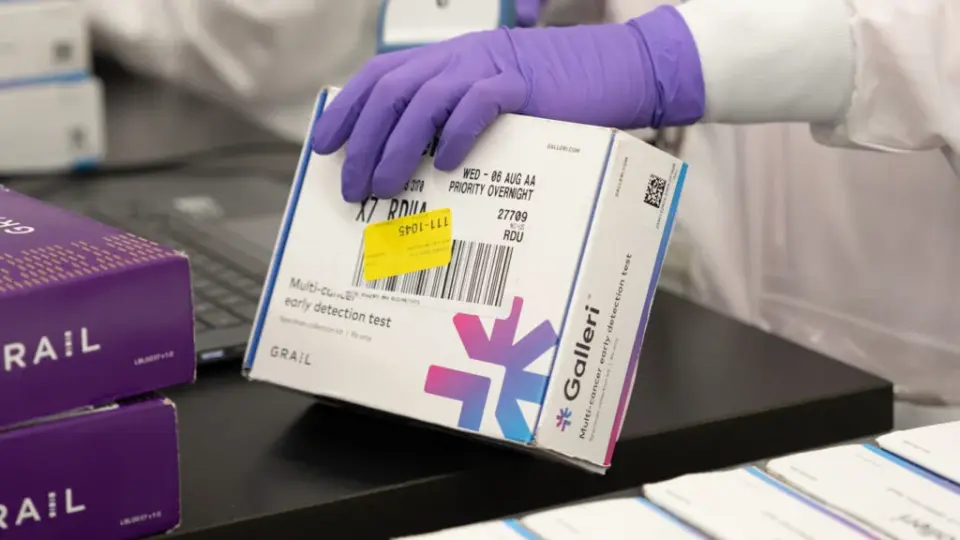
An FDA advisory panel recommended approval for Grail’s Galleri multi-cancer blood test, despite a large UK trial failing to show reduced late-stage diagnoses. Critics warn that Medicare coverage mandates could impose billions in costs without proven mortality benefits, while proponents highlight the test’s ability to detect cancers currently missed by standard screenings.
Key points
- FDA advisory panel voted to recommend approval for Grail’s Galleri test, which detects DNA fragments from up to 50 cancer types.
- The pivotal NHS trial involving 140,000 participants failed to show a reduction in late-stage cancer diagnoses, a key surrogate endpoint.
- The Medicare Multi-Cancer Early Detection Screening Coverage Act mandates coverage for approved tests, bypassing standard preventive service reviews.
- Critics estimate annual costs could reach $60-$100 billion if all Americans over 50 are screened.
- The National Cancer Institute is preparing a separate trial using cancer death as the primary endpoint.
Background
Previous coverage noted that the NHS-Galleri trial results were mixed, showing high specificity but no significant reduction in late-stage diagnoses. This follows ongoing debates about the efficacy of various cancer screening methods, including PSA testing for prostate cancer, where experts emphasize individualized risk assessment over universal screening.
How outlets are covering it
H. Gilbert Welch, writing for STAT, argues that the FDA should not approve the test because it failed its surrogate endpoint and that Medicare coverage would impose massive costs without proven life-saving benefits. He criticizes the political lobbying behind the coverage mandate. Conversely, KOBI-TV NBC5 highlights the test’s potential to fill gaps in current screening, noting that only 14% of cancers are currently caught through standard methods. Dr. Nima Nabavizadeh of OHSU supports the technology, stating it helps detect cancers that are otherwise missed until symptoms appear. The Yahoo Finance source, while primarily focused on stock market trends, reflects the financial interest in Grail’s potential market expansion, though it does not provide detailed medical analysis.
Why it matters
The decision affects how much Americans will pay for healthcare, as mandatory Medicare coverage could drive up insurance costs. It also sets a precedent for approving screening tools based on surrogate endpoints rather than direct evidence of reduced mortality, potentially influencing future medical guidelines and public health spending.
What to watch
The FDA must make a final decision on whether to approve the Galleri test. If approved, private insurers may follow Medicare’s lead in covering the test. The National Cancer Institute is expected to launch a major randomized trial to determine if multicancer screening actually reduces cancer deaths, which could provide definitive evidence on the test’s long-term value.
- Why the FDA should not approve an ineffective multicancer screening test STAT
- Blood test offered in Houston screens for 50+ forms of cancer, but there are limitations KHOU
- This buzzy biotech stock is up 60% this year. Cramer's advice on building a stake CNBC
- Jim Cramer Says This Stock Could Rise Like Moderna (MRNA) Yahoo Finance
- OHSU researchers study blood test to detect cancer - KOBI-TV NBC5 / KOTI-TV NBC2 KOBI-TV NBC5 / KOTI-TV NBC2
Want the full story? Read the original reporting
Read on STAT