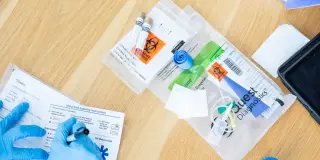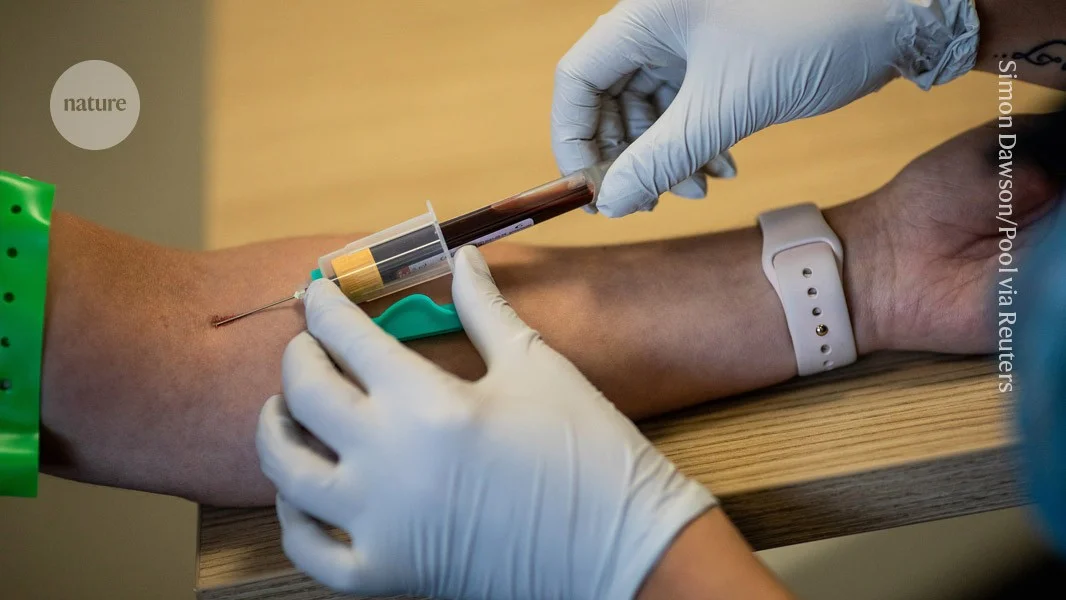
The American Cancer Society has added a blood test to its colorectal cancer screening options and endorses two at-home stool tests, Cologuard and Colosense, for average-risk adults. Colonoscopy remains the most thorough option and should be pursued if non-colonoscopy tests are abnormal, with a colonoscopy recommended within six months. Screening can start at age 45.
A updated Cochrane review, incorporating data from nearly 800,000 people and longer follow-up, suggests PSA-based prostate cancer screening likely reduces mortality and does not notably increase biopsy or treatment harms, reversing previous Cochrane findings from 2006 and 2013. The absolute benefit is small, and guidelines worldwide remain mixed due to concerns about overdiagnosis and overtreatment.
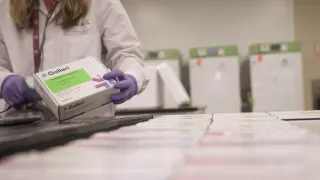
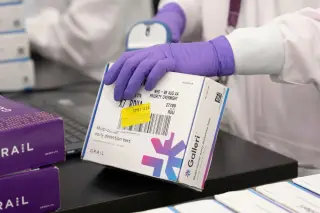
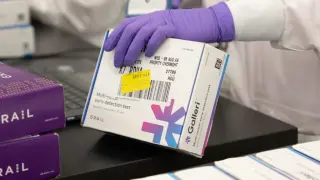
A first-person look at Grail’s Galleri multi-cancer early detection blood test: the $824 home draw returned no cancer signal, but real-world results are mixed and medical groups remain cautious, with limited evidence of mortality benefit and concerns about false positives and missed cancers. While some see potential, experts emphasize that MRI scans or traditional symptom-driven screening remain more established, and readers are advised to discuss symptoms with a doctor and not rely on MCED tests as a sole screening tool.
Abbott expects to close its acquisition of Exact Sciences on March 23, 2026 after regulatory clearances, adding Exact’s cancer-screening and precision-oncology portfolio (Cologuard, Oncotype DX, Oncodetect, Cancerguard) to expand Abbott’s diagnostics leadership. The deal is projected to bring about $3 billion of incremental sales in 2026, accelerate Abbott’s growth in diagnostics, and dilute 2026 adjusted EPS by about $0.20, as the company aims to make cancer detection and management more accessible.
TRICARE explains that cancer screenings are covered based on age, sex, and risk, including breast cancer screenings (mammograms annually for some at-risk groups and MRI for high risk), cervical cancer screening (Pap tests for women 21+ and HPV testing for women 30+ when done with Pap), prostate and testicular exams for men by age/risk, and colorectal screenings from age 45 for average risk. Lung cancer screening with an annual CT is available for high-risk individuals (50–80 with a 20 pack-year history) through network providers. Screenings are generally covered as preventive care with no out-of-pocket costs if you follow plan rules; not all tests are covered (e.g., certain RNA blood/stool tests for colorectal cancer). TRICARE also covers a one-time lifetime GRAIL Galleri blood test via a Laboratory Developed Tests Demonstration, with eligibility, pre-authorization, and other limits. Be attentive to warning signs and discuss screening options with your provider to catch cancer early.
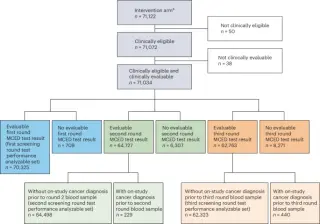
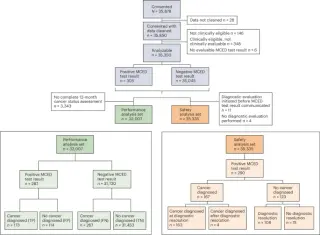
Multi-cancer early detection (MCED) blood tests, including Galleri, promise to detect dozens of cancers from one blood sample, but few have robust randomized trial data; the NHS-backed Galleri trial failed to show improved outcomes in reducing late-stage cancers, and while tests boast high specificity, sensitivity varies and the risk of false positives can lead to anxiety and unnecessary follow-ups, leaving regulators and clinicians cautious until stronger evidence accumulates.
Christy Carlson Romano shared in an emotional post that her cancer screening results were positive while her husband’s were negative, suggesting she may have staged cancer. She plans a PET scan as the next step but is fighting to have it covered by insurance. Romano expressed gratitude for surviving a recent eye-injury incident, reflected on her support network, and referenced James Van Der Beek’s cancer battle to underscore the seriousness of the moment.
Former Disney Channel star Christy Carlson Romano posted an emotional video revealing a positive self-screening result for cancer, citing a family history of the disease. She’s headed for a PET scan and urged others to get screened, saying she’s nervous but hopeful for a treatable outcome for her two daughters.
Christy Carlson Romano revealed on Instagram that she tested positive on a cancer screening, while her husband’s result was negative; she’ll undergo a PET scan, fights to get it covered by insurance, and notes a family history of cancer as she stays hopeful and keeps fans updated.
Disney alum Christy Carlson Romano said on social media that a recent cancer screening came back positive, with her husband’s result negative; she plans a PET scan and is navigating insurance coverage while balancing life with two daughters and a forthcoming memoir.
A large Swedish MASAI trial (over 100,000 women aged 40–80) found AI-supported mammography identified more clinically relevant breast cancers and reduced interval cancers, with no rise in false positives, compared with standard double reading. The AI system acted as a second set of eyes, highlighting suspicious areas for radiologists and potentially easing workload, with implications for broader screening and plans for an Ethiopian trial to expand AI-assisted screening in low-resource settings.
King Charles III expressed gratitude for the positive public and media reaction to his update on cancer treatment, highlighting the importance of early diagnosis and cancer care advancements, and encouraging cancer screening.
The article discusses four key cancer screening tests for adults over 35—standard screenings like colonoscopy, mammograms, Pap smears, and PSA tests; advanced blood tests like Galleri; genetic testing for inherited risks; and full-body MRI scans—highlighting their importance for early detection and prevention, along with lifestyle factors influencing cancer risk.
A US doctor emphasizes the importance of colonoscopies for early detection of colon cancer, which can save lives by identifying and removing precancerous polyps, and encourages people over 45 or with risk factors to get screened.
Recent research suggests that ultramarathon running may be a risk factor for developing advanced adenomas, which are linked to colorectal cancer, with nearly 15% of studied runners showing such growths, higher than the general population. This finding is significant amid rising colorectal cancer rates among young adults, prompting calls for refined screening and further investigation into lifestyle and environmental factors, including the potential impact of COVID-19.