
GLP-1 Blindness Lawsuits Surge as Novo Nordisk, Eli Lilly Deny Causation
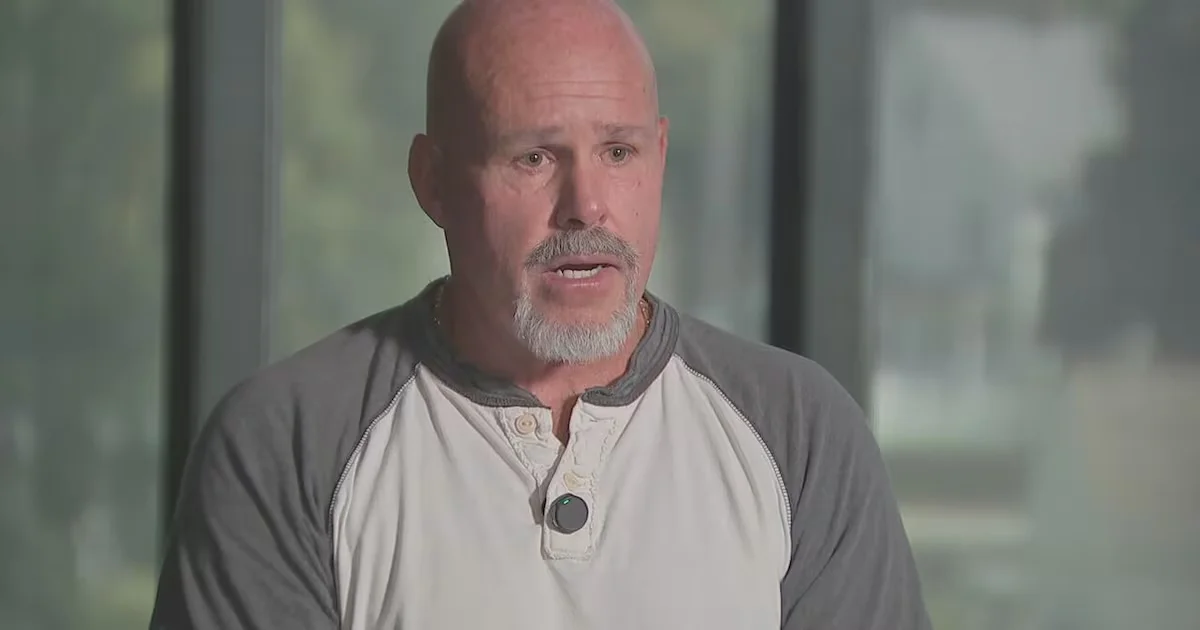
Hundreds of lawsuits allege that GLP-1 weight-loss and diabetes drugs like Ozempic and Mounjaro caused permanent blindness through a rare condition called NAION. While patients and attorneys report a spike in vision-loss claims this summer, drugmakers Novo Nordisk and Eli Lilly deny any causal link, citing internal studies and existing safety data. The legal battle centers on whether the companies failed to warn patients about this risk, which is noted on labels in some countries but not in the U.S.
Key points
- New lawsuits allege GLP-1 drugs caused NAION, a rare 'eye stroke' leading to sudden blindness.
- Novo Nordisk and Eli Lilly deny causation, citing studies showing no increased risk.
- U.S. labels lack NAION warnings, unlike updated labels in Europe, the UK, and Australia.
- Attorneys report a summer spike in vision-loss claims, with hundreds of cases filed.
- Some studies show a potential association with semaglutide, but causation remains unproven.
Background
This follows earlier reports in September 2026 regarding individual cases, such as Ed Gillen, who lost his vision after using Ozempic for diabetes. The current surge in litigation expands these isolated incidents into a broader legal challenge against major pharmaceutical companies.
How outlets are covering it
WSB-TV highlights individual cases like Ed Gillen and Diane Wirth, emphasizing the lack of warning labels in the U.S. AZ Family and USA Today provide a broader statistical view, noting hundreds of lawsuits and a summer spike in claims, while also detailing the mixed scientific evidence. KSL.com focuses on the legal allegations that drugmakers concealed risks. All sources agree that NAION is rare and currently has no cure, but they differ in emphasis: local outlets focus on personal impact, while national outlets focus on the scale of litigation and the scientific debate.
Why it matters
This litigation could lead to significant financial liability for major drugmakers and potentially force changes to U.S. drug labeling. It also raises critical questions about the safety of widely prescribed GLP-1 medications and the adequacy of current patient warnings regarding rare but severe side effects.
What to watch
The consolidated lawsuits are expected to proceed through federal and state courts, potentially taking years to resolve. The outcome may influence whether the FDA requires updated warning labels in the U.S. and could impact the future marketing and prescription of GLP-1 drugs.
- Father of 4 says GLP-1 shots left him blind WSB-TV
- Hundreds of lawsuits allege GLP-1s like Ozempic, Wegovy, Mounjaro caused vision loss AZ Family
- Are GLP-1s causing blindness? What we know about rare cases USA Today
- GLP-1 makers Novo, Eli Lilly sued over sudden loss of vision in patients NewsNation
- Lawsuits allege Ozempic, other GLP-1 medications may cause sudden vision loss KSL.com
Want the full story? Read the original reporting
Read on WSB-TV