
Maine joins national cyclosporiasis outbreak as experts debate produce safety
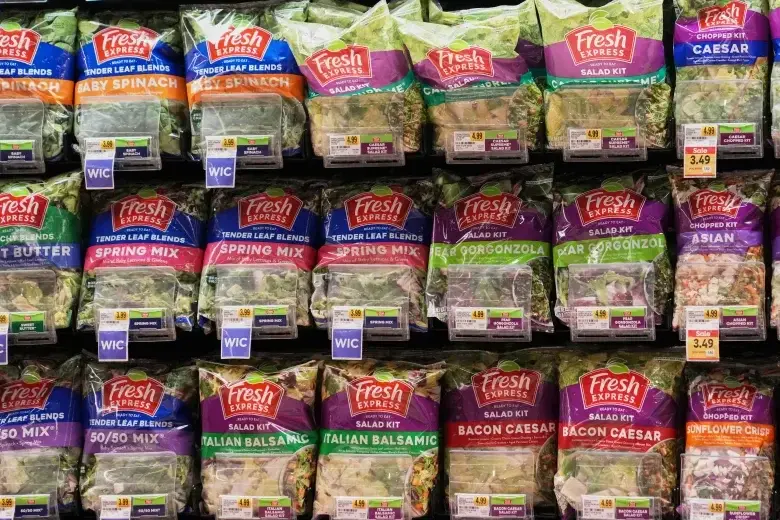
Maine has officially joined a multistate cyclosporiasis outbreak, with 10 cases linked to a Taylor Farms lettuce recall. While Michigan declares the crisis over, experts warn that the parasite's elusive nature and potential for relapse mean consumers should remain cautious.
Key points
- The Maine CDC confirmed 27 cyclosporiasis cases this year, with 10 directly tied to the Taylor Farms iceberg lettuce recall, meeting the threshold for the national outbreak.
- Michigan, the epicenter with over 12,000 cases and two deaths, has lifted its ban on bagged salads, stating the recalled produce is likely no longer available.
- Experts disagree on safety: some argue the parasite dies quickly, while others warn that the root cause remains unidentified and symptoms can relapse weeks after treatment.
- The outbreak is the largest in U.S. history, with over 10,000 confirmed cases and 12,000 more awaiting verification, complicating efforts to trace the source.
Background
This outbreak began in May 2026 and has since become the largest cyclosporiasis event in U.S. history. Earlier reports indicated over 11,000 suspected cases, with Michigan and Ohio accounting for the bulk of infections. The parasite, which causes severe diarrhea, is typically treated with the antibiotic Bactrim, but its long incubation period and difficulty in genetic tracking have hindered containment efforts.
How outlets are covering it
Outlets highlight different aspects of the crisis. The Portland Press Herald focuses on Maine’s official inclusion in the outbreak, noting the 10 confirmed cases. The Washington Post emphasizes the scientific theory that sewage contamination is the likely cause, as cyclospora can survive treatment. USA Today contrasts Michigan’s declaration of safety with expert warnings that the source is still unknown, noting that public trust is damaged. The New York Times highlights the clinical challenge of relapsing symptoms, illustrating how the parasite can return weeks after treatment, complicating recovery for patients.
Why it matters
The outbreak underscores the fragility of the U.S. food supply and the difficulty of tracking parasitic infections. While some states have lifted restrictions, the lack of a definitive source and the potential for relapse mean that consumers, particularly vulnerable groups like the elderly and children, must remain vigilant. The crisis also highlights the impact of reduced federal food-monitoring resources on outbreak response.
What to watch
Health officials continue to investigate the root cause of the outbreak, with the FDA still probing the Taylor Farms recall. Consumers are advised to wash produce thoroughly and monitor for relapsing symptoms. As the season peaks, states may see further fluctuations in case numbers, and public trust in produce safety may take time to recover.
- Maine CDC identifies 10 cyclosporiasis cases connected to lettuce recall The Portland Press Herald
- I study pathogens in sewage. Here’s how cyclospora could be getting into our food. The Washington Post
- Is lettuce safe to eat now? What to know amid cyclospora outbreak USA Today
- Cyclospora Symptoms Can Return, Even After Treatment The New York Times
- Suburban county warns of spike in cyclosporiasis cases NBC 5 Chicago
Want the full story? Read the original reporting
Read on The Portland Press Herald