
New Thumb Implant Aims to Restore Motion for Arthritis Sufferers
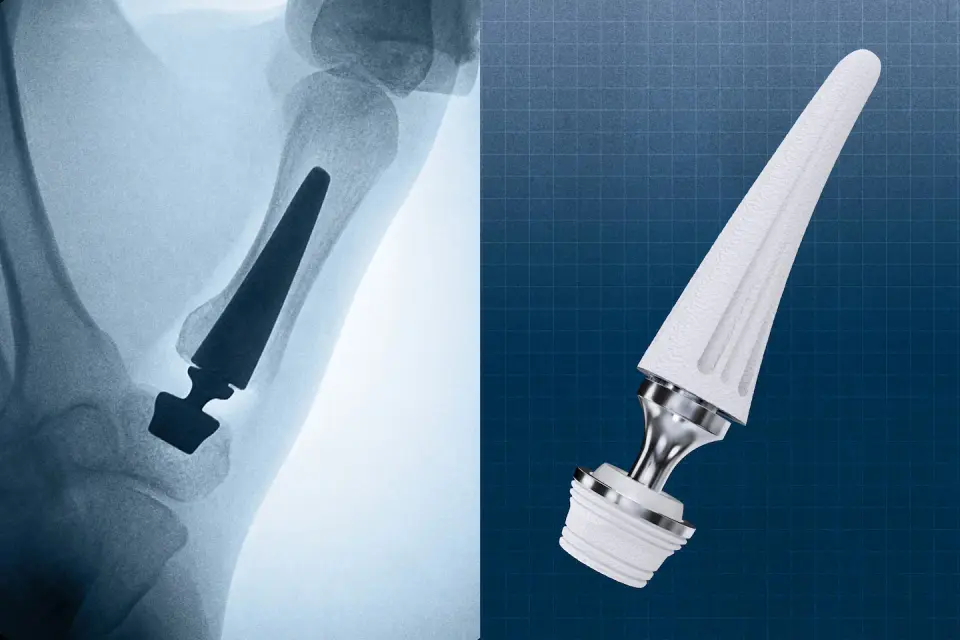
A new implant designed for the carpometacarpal joint aims to restore the complex range of motion lost to arthritis, offering a potential solution for patients whose thumb function has deteriorated due to ligament wear and cartilage erosion.
Key points
- The carpometacarpal (CMC) joint at the base of the thumb allows for multidirectional movement, including shifting, rotating, and circular motions, unlike the hinge-like motion of a knee.
- Over time, this extensive movement can wear out the surrounding ligaments, causing the joint to shift and rub abnormally.
- This abnormal movement leads to the erosion of cartilage, resulting in arthritis.
- A new thumb implant has been developed to address these issues and improve function for patients suffering from this condition.
- Hand surgeon Ryan Schmucker of Ohio State University Medical Center explains the mechanical causes of the joint's degradation.
Background
Recent medical research has explored various non-surgical and lifestyle interventions for joint health. For instance, a trial at the University of Nottingham linked daily inulin fiber supplementation to reduced knee arthritis pain and improved grip strength, suggesting connections between gut bacteria and muscle function. Additionally, studies have highlighted the benefits of open-skill sports for cognitive function in ADHD patients and forest hiking for reducing inflammation in seniors. While these approaches focus on prevention or pain management, the new thumb implant represents a direct surgical intervention for structural joint failure.
Why it matters
Arthritis in the thumb significantly impacts daily activities, from writing to gripping objects. As the population ages, the demand for effective joint replacements that preserve complex movements rather than just stabilizing joints increases. This innovation could reduce reliance on more invasive surgeries or long-term pain management, improving quality of life for those with degenerative hand conditions.
What to watch
The article does not provide specific dates for widespread availability or clinical trial results. Future developments will likely involve clinical trials to assess the implant's long-term durability and success rates in restoring full range of motion compared to traditional treatments.
Want the full story? Read the original reporting
Read on The Washington Post