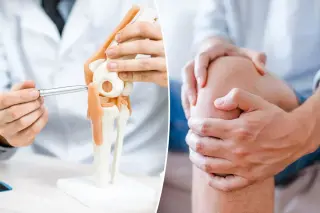
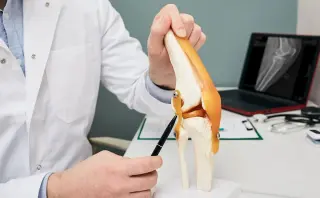
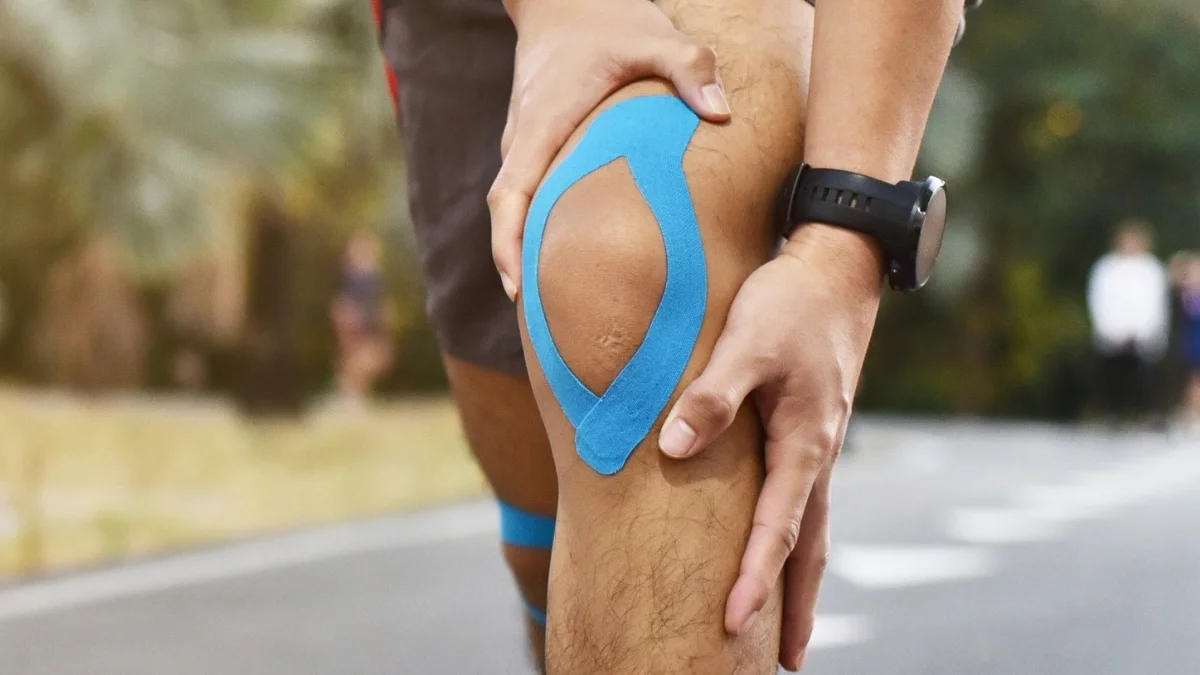
A Stanford Medicine study published in Science shows that blocking the aging protein 15-PGDH can regenerate knee cartilage in mice and human tissue, potentially offering a non-surgical alternative to joint replacement for osteoarthritis.
Four patients undergoing routine joint replacement at a Nashville hospital allegedly received potassium phosphate instead of an anesthetic, leaving at least one patient paralyzed and others with serious complications. The hospital acknowledged a medication error, self-reported to state regulators, and state investigators are examining the incident while safety protocols are being reviewed and reinforced.
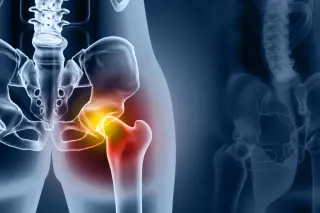
An international analysis of nearly 1.9 million hip replacements finds modern implants last much longer than older generations, with about 93% functioning after 20 years, 92% after 25, and 91% after 30. Improvements are linked to advanced bearing surfaces (highly cross-linked polyethylene and ceramics) that reduce wear and inflammation. This could lessen concerns about getting a hip replacement at a younger age, though lifespan varies by patient factors; the numbers are population-based, not guarantees.
NASA astronauts Jessica Meir and Chris Williams spent about seven hours outside the ISS to replace a failed 200-pound wrist joint on Canadarm2, installing a spare, reattaching the LEE cluster, and restoring full arm functionality for berthing and maintenance missions.
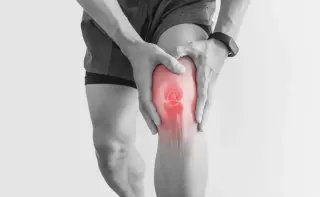
A patient with severely worn knee cartilage reportedly regrew cartilage after a single injection, offering a non-surgical alternative to knee replacement and signaling a potential shift in how osteoarthritis is treated.
Stanford researchers identify the protein 15-PGDH as a driver of age-related cartilage breakdown and show that blocking it can thicken worn knee cartilage and reprogram existing chondrocytes, reversing degeneration in older mice and regenerating cartilage in human tissue, signaling potential clinical trials and a possible path to avoiding joint replacement.
An umbrella review of systematic reviews finds that exercise provides small pain relief for osteoarthritis (about 6–12 points on a 100-point scale) vs no treatment or placebo, with little consistent improvement in function. For knee/hip OA, exercise can match NSAIDs and corticosteroid injections for pain reduction (roughly 5–10%), but total joint replacement generally offers greater relief. Limitations include lumping all exercise types together, not differentiating supervised vs unsupervised programs, short study durations (~12 weeks), and not accounting for exercise dose. Despite these caveats, any sustainable exercise (e.g., walking or resistance training) offers broader health benefits and should be pursued as a long-term, individualized plan.
A 68-year-old man with a history of osteoarthritis is hesitant to undergo shoulder replacement surgery despite recommendations from two specialists, while a 75-year-old man seeks advice on treating palmar fibromatosis. Dr. Keith Roach advises the first patient to monitor his symptoms and consult with his surgeon, and the second patient to discuss treatment options with his hand surgeon.