
US Blood Supply Hits Historic Low as Red Cross Declares Second-Ever National Crisis
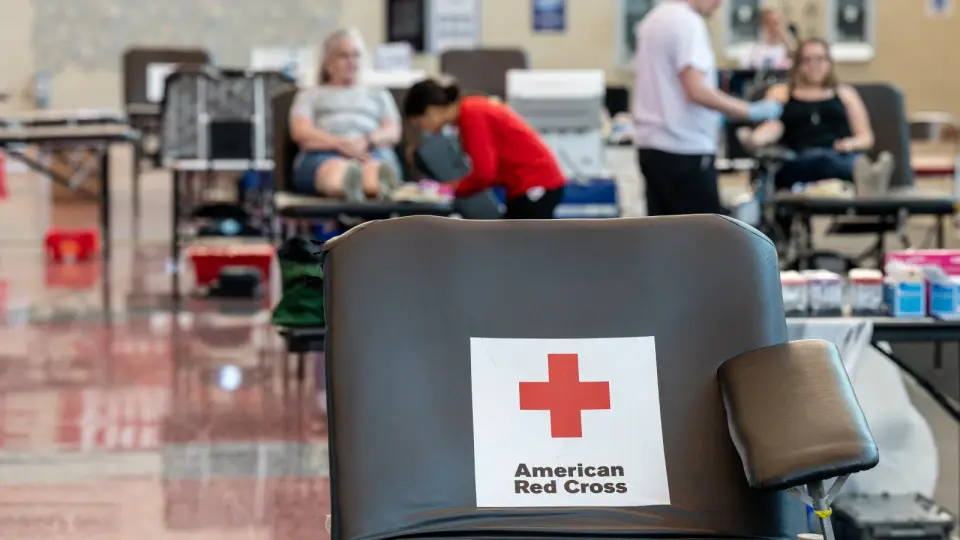
The American Red Cross has declared a national blood supply crisis for only the second time in its history, marking a severe drop in donations to a four-year summer low. The shortage, which threatens emergency surgeries and cancer treatments, is driven by extreme heat, poor air quality, and widespread illness reducing donor turnout. With less than one day’s supply of critical type O positive blood, the agency is limiting shipments to hospitals and urging eligible donors to donate immediately to prevent further medical disruptions.
Key points
- The American Red Cross declared a national blood crisis on July 27, 2026, the second such declaration in its history, following a 25% drop in supplies in June.
- National inventories of type O positive blood, the most commonly transfused type, have fallen below one day’s supply, forcing the Red Cross to limit distributions to individual hospitals.
- Donor turnout has declined due to extreme heat, poor air quality, and foodborne illnesses, while demand rises during the summer '100 Deadly Days' due to increased accidents and injuries.
- The Red Cross, which supplies roughly 40% of the US blood, is offering movie ticket vouchers for donations before July 31 and $20 Amazon gift cards for August donations to incentivize participation.
- Hospitals are facing potential delays in surgeries and maternity care, with some facilities reporting supplies have dropped from a standard five-day reserve to just two days.
Background
This crisis follows a similar declaration in January 2022, which was linked to the Omicron variant surge. Since then, the Red Cross implemented measures like advance hospital scheduling to improve predictability, but summer 2026 has seen a resurgence of shortages. Previous coverage noted that while the Red Cross supplies about 40% of the national blood, the remaining 60% is managed by other centers, all of which are facing similar strain. The current situation highlights the fragility of blood supply chains, which cannot be stockpiled due to short shelf lives, particularly for platelets.
How outlets are covering it
USA Today emphasizes the severity of the crisis, highlighting the 'four-year summer low' and the specific threat to type O blood, which accounts for 60% of Red Cross distributions. Yahoo/WTNH focuses on the local impact in Connecticut, where hospitals like St. Vincent's Medical Center have seen supplies drop from five days to two, and notes that some doctors may have to make critical triage decisions. Gizmodo provides broader context on the systemic nature of the issue, noting that only about 3% of eligible Americans donate annually, and highlights the joint statement from the Red Cross, America's Blood Centers, and the Association for the Advancement of Blood & Biotherapies. While all sources agree on the crisis, USA Today and Gizmodo focus on the national scale and Red Cross leadership, whereas Yahoo highlights the immediate, on-the-ground consequences for regional healthcare facilities.
Why it matters
The shortage threatens to delay life-saving surgeries, paralyze maternity wards, and force hospitals to divert patients to other centers. With less than one day’s supply of type O positive blood, the crisis could lead to preventable deaths and significant disruptions in routine medical care, underscoring the critical need for consistent donor participation.
What to watch
The Red Cross is urging all eligible donors, especially those with type O blood, to schedule appointments immediately via the Blood Donor app, website, or by calling 1-800-RED-CROSS. The agency claims that just three additional donors per summer blood drive could resolve the crisis. Donors who give by July 31 will receive movie ticket vouchers, while those donating in August will receive $20 Amazon gift cards.
- Critical shortage: Red Cross declares second-ever blood supply crisis USA Today
- Connecticut hospitals feeling the strain amid second-ever nationwide blood crisis Yahoo
- There’s a National Blood Supply Crisis Happening Right Now Gizmodo
- The Red Cross declares second-ever national blood crisis Yahoo
- American Red Cross declares second national blood supply crisis in history; Here’s why Yahoo
Want the full story? Read the original reporting
Read on USA Today