
Taylor Farms recall expands to nine new jurisdictions as cyclospora cases top 27,000
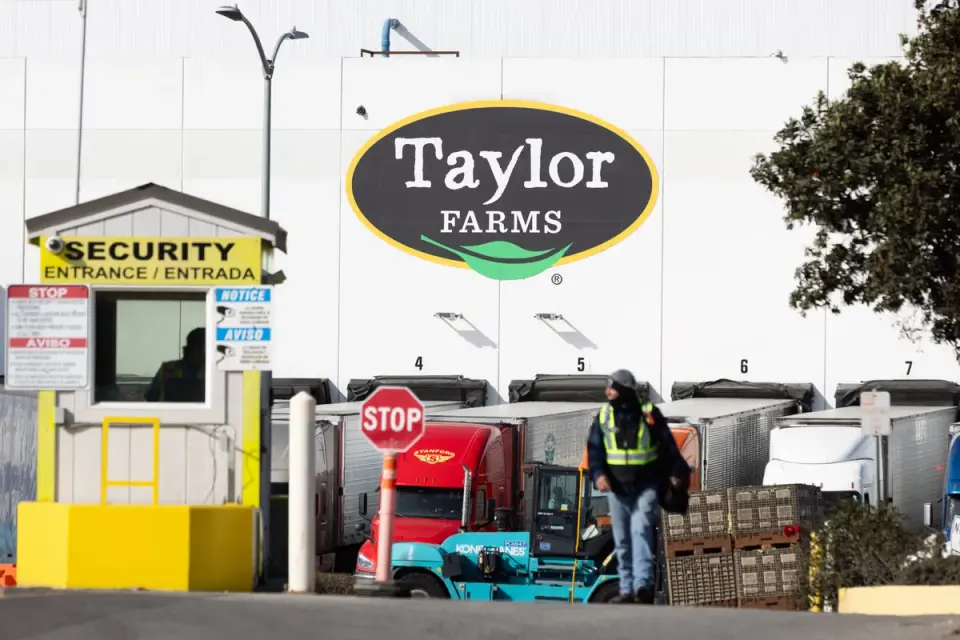
Federal officials confirmed that recalled Taylor Farms lettuce linked to a massive cyclospora outbreak may have reached nine additional jurisdictions, including D.C. and Puerto Rico. The CDC now reports over 27,000 cases nationwide, with Michigan leading in illnesses and deaths. While the FDA states recalled products are off the market, consumer confidence remains low, with over 26 million U.S. households cutting back on fresh greens in July. Experts advise caution, noting that washing produce does not fully eliminate the parasite, though some consumers are returning to normal habits as case counts trend downward in certain areas.
Key points
- The FDA and CDC expanded the recall scope, indicating contaminated lettuce may have reached seven additional states, D.C., and Puerto Rico.
- Total reported cyclospora cases have surpassed 27,000, with Michigan reporting the highest number of illnesses and two confirmed deaths.
- Consumer behavior shifted significantly, with over 26 million U.S. households reducing purchases of salads and fresh greens in July.
- Health officials emphasize that recalled products should no longer be available, but experts warn that washing produce does not guarantee safety against the parasite.
- New York City and state health departments are still investigating the source of local cases, which are not yet fully linked to the Taylor Farms recall.
Background
This outbreak began in May 2026, initially linked to iceberg lettuce from Taylor Farms sourced in central Mexico. By August, the CDC had confirmed over 13,895 lab-confirmed cases across 47 states, with Michigan and Ohio leading in reported illnesses. The parasite, Cyclospora cayetanesis, has a long incubation period of up to two weeks, complicating source tracing. Previous updates indicated that while the largest cluster was tied to Taylor Farms, multiple other clusters remained under investigation without a confirmed source.
How outlets are covering it
The Independent and The Washington Post focus on the expanded geographic reach of the recall, noting that federal officials confirmed the lettuce may have reached nine additional jurisdictions. The Washington Post highlights that best-by dates for recalled products have passed, suggesting they should no longer be in stores. In contrast, Gothamist emphasizes the uncertainty in New York, where local cases are not yet fully linked to the Taylor Farms recall, and highlights consumer anxiety and varying coping strategies. USA Today provides a quantitative perspective on consumer behavior, citing a survey that shows over 26 million households stopped buying salads in July, while noting that 82% of those who stopped plan to return once the outbreak is contained. Food safety experts differ on risk, with some urging caution due to unknown sources, while others note that local produce and proper handling can mitigate risks.
Why it matters
The expansion of the recall and the high number of cases underscore the challenges in food safety and supply chain transparency. The outbreak has had significant economic impacts, with fast-food chains like Taco Bell seeing traffic drops and consumer spending on fresh produce declining. The uncertainty surrounding the source of some cases, particularly in New York, highlights the difficulty in tracing foodborne illnesses with long incubation periods. This event raises questions about the effectiveness of federal response and the need for improved communication and investigation methods to protect public health.
What to watch
The FDA and CDC will continue their investigation to identify all sources of the cyclospora outbreak. Health officials expect case counts to trend downward as the recall takes effect, but they warn that the long incubation period may delay the full impact of the recall. Consumers are advised to avoid recalled products and to wash produce thoroughly, though experts note that washing does not completely eliminate the risk. New York City and state health departments will continue to trace cases through interviews and inspections, aiming to identify any common sources or suppliers. The outbreak may lead to increased scrutiny of food safety practices and supply chain transparency in the future.
- Taylor Farms lettuce that sparked explosive diarrhea outbreak may have been shipped to 7 more states The Independent
- Taylor Farms lettuce may have reached 7 more states, D.C. and Puerto Rico The Washington Post
- Is it safe to eat salad? How New Yorkers are coping with the threat of cyclosporiasis. Gothamist
- Salad, lettuce-linked outbreak is making greens shoppers see red USA Today
- Taylor Farms Keeps Being Linked to Outbreaks. Is Our Food-Safety System Working? Serious Eats
Want the full story? Read the original reporting
Read on The Independent