
Unapproved Retatrutide Black Market Linked to Two Deaths
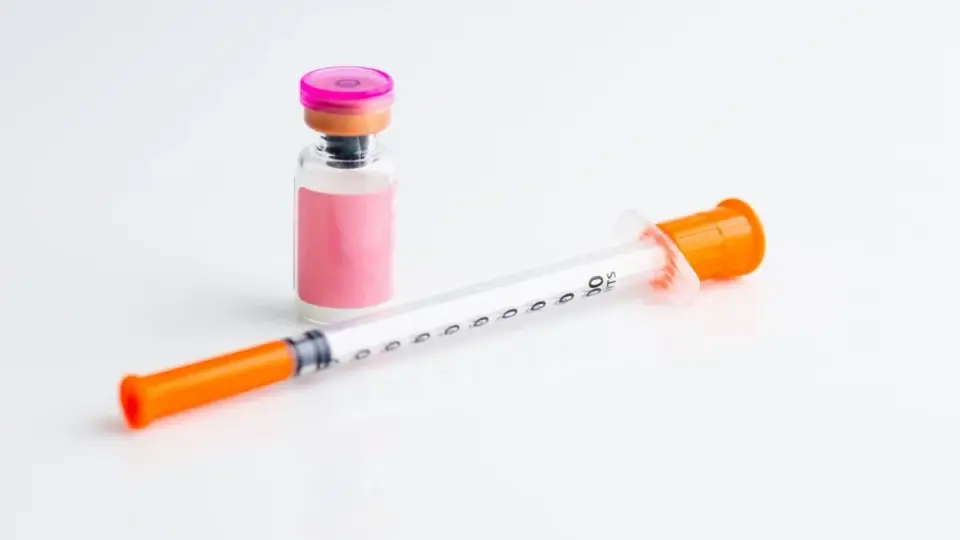
Eli Lilly’s experimental weight-loss drug retatrutide, which mimics three hunger hormones and offers up to 30% weight loss, has not yet received FDA approval. However, a black market for counterfeit versions has emerged, leading to at least two reported deaths this year. The FDA received reports of a 41-year-old woman dying of cardiac arrest and a 49-year-old patient dying after severe dehydration and cardiac arrest, both linked to unregulated sources. While causation is not proven, these incidents highlight the dangers of unapproved GLP-1 drugs, which often lack quality control and may contain incorrect dosages or other substances.
Key points
- Retatrutide, developed by Eli Lilly, is an experimental drug that mimics GLP-1, GIP, and glucagon, showing weight loss rates up to 30% in clinical trials.
- The FDA has received two death reports linked to illicit retatrutide this year, one involving a 41-year-old woman and another a 49-year-old patient who obtained the drug from an online vendor on a nurse's advice.
- Counterfeit GLP-1 drugs often lack regulatory scrutiny, potentially containing incorrect dosages, insulin, or other unverified substances, leading to severe side effects like cardiac arrest, esophageal tears, and severe diarrhea.
- The black market for retatrutide mirrors previous trends with approved GLP-1 drugs like Ozempic and Mounjaro, driven by high costs and limited insurance coverage for legitimate prescriptions.
Background
This story follows recent concerns about the safety and side effects of approved GLP-1 medications. In September 2026, experts warned that these drugs might mask hunger signals, posing risks for those with eating disorders. Additionally, studies presented in October 2026 linked GLP-1 use to increased rates of nail detachment and hair loss, though experts noted that rapid weight loss and nutritional deficiencies might be the primary drivers rather than direct drug toxicity. The current black market issue adds a new layer of risk to the broader GLP-1 landscape, where unregulated products bypass safety checks entirely.
Why it matters
The emergence of a deadly black market for an unapproved drug underscores the dangers of bypassing regulatory approval processes. As demand for potent weight-loss solutions grows, consumers may turn to unverified sources, risking severe health complications or death from counterfeit or improperly dosed medications. This highlights the need for stricter enforcement against illicit peptide sales and greater public awareness of the risks associated with unapproved GLP-1 drugs.
What to watch
Eli Lilly is expected to seek FDA approval for retatrutide as early as 2026, following successful large-scale clinical trials. Regulatory agencies will likely continue to monitor adverse event reports and crack down on black market vendors. As the drug approaches approval, the black market may shrink, but the risk of counterfeit products remains until widespread, affordable access to the legitimate medication is established.
Want the full story? Read the original reporting
Read on Gizmodo