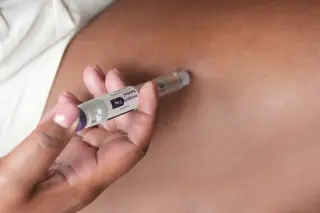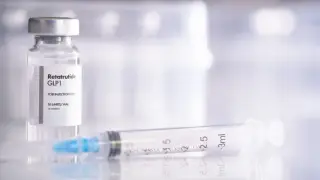
A Washington Post feature describes how people are buying the weight-loss peptide retatrutide online, highlighting safety concerns and an unclear regulatory status, making it a popular but not clearly legal or regulated consumer option.
Lilly has granted compassionate-use access to its obesity drug candidate retatrutide for a single patient, according to STAT’s exclusive reporting; The Readout also covers Pfizer’s lung-cancer trial results and other biotech news.
STAT reports that Eli Lilly and the FDA approved compassionate-use access for retatrutide, an experimental obesity drug, to a 79-year-old man—a move that drew attention from top health officials and highlighted concerns about access to promising therapies before FDA approval.
At ADA 2026, Lilly deepened Triumph-1 data for retatrutide, a triple‑agonist GLP‑1/GIP/GLP‑2 program, showing up to 30% weight loss at 104 weeks with the 12 mg dose and meaningful knee osteoarthritis pain and sleep apnea improvements. In Type 2 diabetes, Transcend-T2D-1 reported substantial A1C reductions (around 1.9% at peak doses) with a high share of patients reaching target A1C levels (≤7%, ≤6.5%, and even <5.7%). Cardiometabolic benefits included sizable reductions in triglycerides, non-HDL cholesterol, systolic BP, and waist circumference. Safety signals included higher rates of urinary issues and dysesthesia, plus some arrhythmias and cardiovascular events in treated patients, though Lilly emphasized these events were relatively few. The data underscore Lilly’s strategy of offering multiple obesity medicines as it aims for broader regulatory approvals and patient options by decade’s end.
Lilly’s obesity drug retatrutide, which previously showed rapid weight loss and diabetes benefits, yielded new safety data at the ADA meeting and in Lancet: in TRANSCEND-T2D-1, 7 of 403 participants on retatrutide had arrhythmias and 3 had major cardiovascular events versus none on placebo, a small event count that experts say is insufficient to draw firm cardiovascular risk conclusions.
Lilly revealed that retatrutide, a once‑weekly GIP/GLP‑1/glucagon triple agonist, produced major weight loss (up to 70.3 lbs, 28.3% at 80 weeks) and strong A1C reductions (up to 2.0%) in Phase 3 TRIUMPH-1 and TRANSCEND-T2D-1, plus meaningful knee osteoarthritis pain and sleep apnea improvements, suggesting potential to treat obesity and its related complications; results were presented at the ADA 86th Scientific Sessions and published in The Lancet.
GLP-1 obesity therapies are shifting focus from achieving large weight losses to sustaining them, emphasizing tolerability, long-term adherence, and affordability. Companies are exploring combination treatments and pricing strategies to help patients stay on therapy and maintain benefits beyond initial weight loss.
A man on retatrutide, an experimental GLP-1 weight-loss drug from Eli Lilly, posts dramatic before-and-after photos claiming about 85 pounds lost over two years; the drug is still in development and not yet available in the UK, though GLP-1 therapies are used for weight loss in the NHS under certain conditions; the posts emphasize health and longevity over appearance.
Eli Lilly's retatrutide, a weekly triple hormone receptor agonist (GLP-1, GIP, glucagon), produced an average 28.3% weight loss (70.3 lb) over 80 weeks at the 12 mg dose in a Phase 3 trial of 2,339 adults with obesity or overweight and a weight-related comorbidity. The 12 mg group lost more weight than the 9 mg and 4 mg groups, with 65.3% reaching a BMI below 30 and 37.5% starting with BMI ≥40; 45.3% achieved at least 30% weight loss. Retatrutide’s weight loss appears to exceed current drugs Wegovy and Zepbound. The drug, which combines GLP-1 and GIP with glucagon, also improved cardio-metabolic risk factors, though side effects such as nausea, diarrhea, constipation, and vomiting increased with dose.
Lilly’s triple-G obesity drug retatrutide met primary endpoints in Phase 3 TRIUMPH-1, delivering up to 28.3% weight loss at 80 weeks for the highest dose on the efficacy estimand (vs 2.2% for placebo). On the treatment-regimen estimand, weight losses were 17.6% (4 mg), 23.7% (9 mg) and 25% (12 mg) with placebo at 3.9%. A Week 104 readout for the top dose reached 29.9% among patients who stayed on therapy. The topline did not include sleep apnea or osteoarthritis pain data. Safety showed higher discontinuations at the high dose (11.3% vs 4.9% placebo) and notable dysesthesia (20.9% at high dose); GI adverse events were more common at the low dose. Analysts said the results meet key endpoints but didn’t exceed expectations, and Lilly is eyeing possible FDA submission this year amid competition from Wegovy and other obesity drugs.
Eli Lilly announced topline TRIUMPH-1 results for retatrutide, a first-in-class GIP/GLP-1/glucagon triple agonist, in adults with obesity or overweight and comorbidities. Across 4 mg, 9 mg, and 12 mg doses, participants achieved meaningful weight loss at 80 weeks (4 mg: 19.0%, 9 mg: 25.9%, 12 mg: 28.3%), with the 12 mg group averaging 70.3 lb and 45.3% reaching ≥30% weight loss; BMI ≤22 was achieved by 65.3% at Week 80. Some participants with higher BMI continued losing weight in extensions, reaching about 30% total body weight loss over roughly two years. All arms met primary and key secondary endpoints, and the follow-on extension data covered up to 104 weeks. Safety disclosures mirror warnings associated with Lilly's obesity medicines.
In the TRIUMPH-1 Phase 3 trial, Lilly’s triple hormone agonist retatrutide produced clinically meaningful weight loss across all dose groups over 80 weeks: 12 mg yielded an average 70.3 lb loss (28.3%) with 45.3% achieving ≥30% weight reduction, and 65.3% reached BMI 22 at Week 80; 9 mg achieved 64.4 lb (25.9%) and 4 mg 47.2 lb (19.0%). An extension up to 104 weeks showed continued weight loss in some participants, including those with higher baseline BMI. The data support retatrutide’s potential as a non-surgical obesity treatment, with detailed safety labeling included in the release.
Lilly reports that retatrutide, a triple agonist of GLP-1, GIP, and glucagon, produced up to about 85 pounds (roughly 30% of body weight) loss in a phase 3 trial of ~2,300 people with obesity or overweight, with the highest weekly dose averaging 28% weight loss over 80 weeks (some participants continued to 104 weeks). If approved, it could surpass current GLP-1 meds and aid patients who don’t respond to those drugs. Side effects include nausea, GI issues, skin sensations, and UTIs. Full results haven’t been published in a medical journal, and an FDA filing could occur as early as this year.
Phase 3 data show Lilly’s investigational triple-hormone drug retatrutide delivering up to 28.3% average weight loss over 80 weeks at the highest dose (vs. 2.2% placebo), with about 45% of patients achieving 30%+ loss and even greater reductions in those with BMI ≥35. A lower 4 mg dose yielded 19% weight loss with better tolerability. Common side effects were GI (nausea, diarrhea, constipation); no major cardiac or liver issues were observed. If results hold, Lilly could file for approval, potentially solidifying retatrutide as a top player in a booming obesity market, ahead of Novo Nordisk’s competing therapies.
A 32-year-old man developed intractable diarrhea and dehydration after accidentally doubling his weekly dose of retatrutide, an experimental GLP-1/GIP/glucagon agonist bought online. He was hospitalized for four days, recovered, and the case underscores the risks of using non-approved obesity drugs without medical supervision amid a growing black market and strong trial results.