
US Panel Warns China’s Biotech Deals Threaten Drug Supply Chains
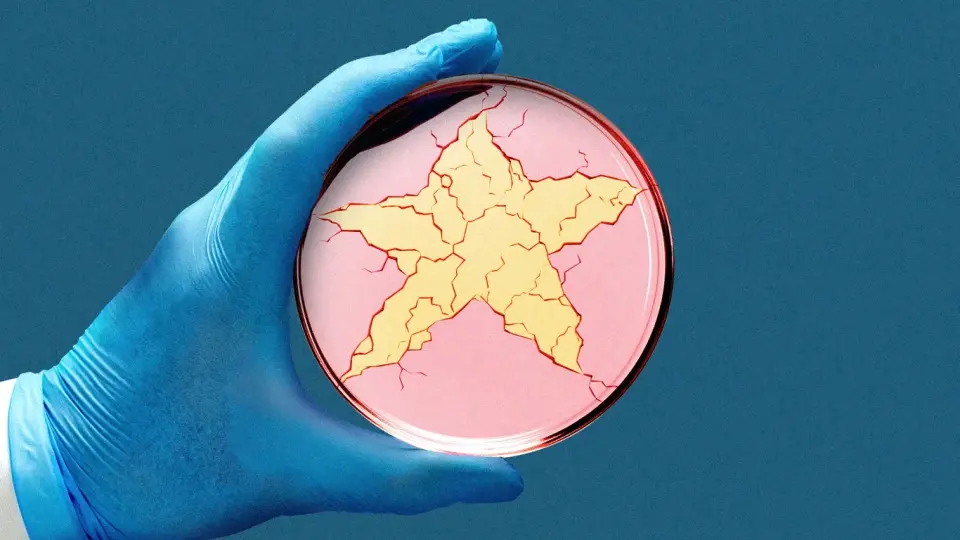
A US commission warns that Western drugmakers’ early-stage licensing deals with Chinese firms are transferring critical know-how and capital to Beijing, risking US dependence on Chinese-controlled drug supply chains. New US regulations now restrict investment, data sharing, and federal procurement involving Chinese biotech.
Key points
- The National Security Commission on Emerging Biotechnology analyzed 57 deals from early 2023 to October 2026, finding that Western firms are increasingly signing agreements based on preclinical data, giving Chinese partners earlier access to funding and expertise.
- The commission warns this creates a 'flywheel effect' where royalties and equity flow back to China, fueling its research and infrastructure, similar to how knowledge transfer boosted Chinese dominance in semiconductors and autos.
- The Trump administration proposed new screening requirements in October 2026, potentially prohibiting equity investments and certain joint ventures with Chinese life sciences companies, while allowing cash-based deals with royalties.
- Three overlapping US regimes now restrict biotech dealings with China: the COINS rule (Treasury) limits outbound investment; BIOSECURE (federal procurement) bars contracts with Chinese biotech suppliers; and the Data Security Program (DOJ) restricts sharing Americans’ genetic data with Chinese parties.
- Major Western drugmakers including AstraZeneca, Bristol Myers Squibb, and Pfizer have been drawn to China by faster clinical trials and approvals, but the commission warns these deals risk eroding US biotech R&D and creating strategic vulnerabilities.
Background
This follows a broader US trend of treating biotechnology as a national security technology, comparable to semiconductors and AI. In October 2026, the US tightened export controls on advanced chips to China, and in November 2026, the US and 24 allies signed an AI supply chain pact to counter Chinese influence. Earlier in 2026, global HIV supply chains collapsed due to aid cuts, highlighting the fragility of pharmaceutical supply chains. The current biotech restrictions build on these efforts to secure critical technology and medical supply chains against Chinese dominance.
How outlets are covering it
Axios and Yahoo (via AP) emphasize the strategic risk of US dependence on Chinese drug supply chains, citing the commission’s analysis of 57 deals and the potential for Beijing to withhold breakthrough treatments in a conflict. JD Supra (via Skadden) focuses on the practical legal and compliance challenges for life sciences companies navigating three overlapping US regimes (COINS, BIOSECURE, Data Security Program), noting that a single transaction may implicate all three and that cash-and-royalty deals are currently safer than equity or joint venture structures. While Axios and Yahoo highlight the geopolitical and national security implications, JD Supra details the regulatory complexity and the need for companies to review their China connections and contracts.
Why it matters
The US risks being cut off from future lifesaving treatments if China gains control over critical pharmaceutical technologies and supply chains. The new regulations could disrupt years of established drug development programs, forcing companies to rework supply chains and data flows. This could delay treatments for severe conditions and increase costs, while also reshaping global biotech competition and US-China relations.
What to watch
The US government must publish its list of covered Chinese biotech companies under BIOSECURE by December 18, 2026. Companies should submit comments on the COINS rule to Treasury by December 7, 2026, particularly on the scope of 'biological system' and 'pharmaceutical compounds.' Upcoming meetings between President Trump and China’s Xi Jinping may yield new agreements on strategic technologies or lead to tighter export controls. Life sciences companies are advised to identify China connections in their portfolios, review vendors against government lists, and add protective provisions to new contracts.
- New alarm over China controlling drug supply chains Axios
- An Unspoken Rule Spreads Through Biotech: Share Nothing The New York Times
- US Panel: China Could Control Access to Key Drugs Yahoo
- RA Capital expands to Shanghai, pushes back on Washington’s China biotech curbs South China Morning Post
- Capital, Suppliers and Data: How Three US Regimes Now Restrict Biotech Dealings With China JD Supra
Want the full story? Read the original reporting
Read on Axios