Tag

Biotechnology

All articles tagged with #biotechnology

Bottle-to-Drug: Bacteria Convert Plastic Waste into Levodopa
science12 days ago

Bottle-to-Drug: Bacteria Convert Plastic Waste into Levodopa

Researchers engineered E. coli to convert PET-derived terephthalic acid into levodopa, a Parkinson’s drug, via a two-step metabolic pathway in a lab proof-of-concept using sequential bacterial strains; not yet scalable, but it demonstrates a potential plastic-to-pharma recycling route and eco-friendly drug production, building on earlier work turning PET into other medicines. Published in Nature Sustainability with EPSRC funding.

Programmable DNA nanorobots target cancer and viruses in the bloodstream
science16 days ago

Programmable DNA nanorobots target cancer and viruses in the bloodstream

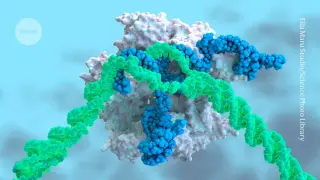
Scientists are turning DNA into programmable nanomachines that can move, sense, and deliver therapies, using DNA origami and strand displacement to create DNA robots that could autonomously seek out cancer cells or viruses in the bloodstream; while early demonstrations show targeted drug delivery and precise nanoparticle placement, major challenges remain in controlling motion, ensuring stability in the body, and scaling production for real-world medical use.

Lab-grown esophagus in pigs restores swallowing, signaling pediatric repair prospects
biotechnology21 days ago

Lab-grown esophagus in pigs restores swallowing, signaling pediatric repair prospects

Scientists grew lab-made oesophagi from pig stem cells on scaffolds and implanted them into eight recipient pigs. Over two months the grafts developed into functional tissue with nerves, muscle, and blood vessels, and five pigs survived six months, regaining the ability to swallow. While some initial scar tissue affected swallowing, it diminished over time, suggesting a path toward treating conditions like long-gap oesophageal atresia in children or muscular damage in adults, though human trials are still future work.

AI-crafted vaccine for a dog hints at a future where medicine is programmable
markets25 days ago

AI-crafted vaccine for a dog hints at a future where medicine is programmable

A dog named Rose reportedly received a personalized cancer vaccine designed with ChatGPT and Google’s DeepFold and manufactured by a university; while not cured, the cancer was greatly reduced and the dog’s quality of life improved. Tech investor Eric Jackson says this exemplifies “programmable medicine,” where AI-driven genomics and molecule design turn medicine into software, a shift that could boost biotech and AI-enabled stocks such as Moderna (MRNA) and platforms from Nvidia (NVDA), Alphabet (GOOGL), and Microsoft (MSFT), among others. The piece underscores the investment and regulatory implications of moving toward individualized therapies.

Engineered Microbes Target Tumors by Colonizing Oxygen-Starved Cores
health-and-medicine1 month ago

Engineered Microbes Target Tumors by Colonizing Oxygen-Starved Cores

Researchers at the University of Waterloo are engineering Clostridium sporogenes bacteria to invade oxygen-poor tumor cores and consume nutrients from inside, potentially destroying tumors. They added an oxygen-tolerance gene and use quorum sensing to activate it only after enough bacteria accumulate, limiting safety risks. Next steps combine both features in a single strain and test in preclinical trials, showcasing interdisciplinary synthetic-biology cancer research.

Ancient Romanian Ice Bacteria Could Help Fight Superbugs—With Caution
science1 month ago

Ancient Romanian Ice Bacteria Could Help Fight Superbugs—With Caution

Researchers studying a 5,000-year-old Psychrobacter strain from Romania’s Scărișoara Ice Cave found it resistant to multiple modern antibiotics yet capable of inhibiting several antibiotic‑resistant pathogens, suggesting ancient microbes could inspire new antibiotics but also carry a risk of spreading resistance genes if melted; calls for more research into cold-environment microbes and their biotechnological potential.

Self-regulating diabetes implant could act as a tiny pancreas
health2 months ago

Self-regulating diabetes implant could act as a tiny pancreas

A Technion-led team, collaborating with MIT, Harvard, and others, reports a living, cell-based implant that functions as a pancreas by sensing glucose and producing insulin within the device, protected from immune attack by a crystalline shield; tested in animals, it aims to provide a self-regulating diabetes treatment and may be adaptable to other chronic diseases, but human trials have not yet begun.

Researchers Create a Universal Kidney That Could Fit Any Recipient
science2 months ago

Researchers Create a Universal Kidney That Could Fit Any Recipient

Scientists have engineered a 'universal' kidney that can be accepted across blood types by using enzymes to strip away donor antigens and convert the kidney to a type O-like profile. The enzyme-converted kidney survived for days in a brain-dead recipient, signaling progress toward reducing transplant wait times, though long-term viability and immune responses remain challenges that need further work.

biotechnology2 months ago

ImmunityBio Pursues FDA Path to Resubmission for ANKTIVA in Papillary NMIBC

ImmunityBio announced a productive Type B End‑of‑Phase meeting with the FDA regarding its supplemental Biologics License Application for ANKTIVA plus BCG in BCG‑unresponsive papillary NMIBC. The FDA asked for additional information (not new trials) to support a potential resubmission, which ImmunityBio will provide within 30 days. Long‑term QUILT‑3.032 data in 80 patients show about 96% bladder cancer‑specific survival at 36 months and high cystectomy‑free survival (roughly 82–93% at 12–36 months), underscoring a bladder‐sparing, chemo‑free approach. ANKTIVA is already approved for CIS in the US, UK, and Saudi Arabia, with EU conditional status for CIS and ongoing EMA discussions to extend labeling to papillary disease if US approval is achieved.

SPARDA: Kamikaze bacterial defense could spark new biotech tools
science2 months ago

SPARDA: Kamikaze bacterial defense could spark new biotech tools

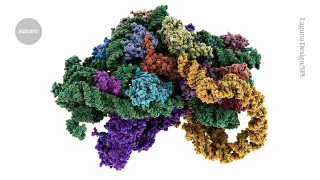
Live Science reports on SPARDA, a kamikaze-like bacterial defense system that sacrifices infected cells to prevent the spread of invaders. Scientists mapped SPARDA’s beta-relay switches in argonaute proteins with AlphaFold, revealing a self-destruct mechanism that activates in response to threats and can form DNA‑degrading chains. While SPARDA naturally guards bacteria, researchers see potential to repurpose it for diagnostics and other biotech tools, offering a CRISPR‑alternative route that could broaden target flexibility in detecting pathogens.