
US Food Safety Crisis: 17,000 Illnesses and Shrinking Federal Oversight
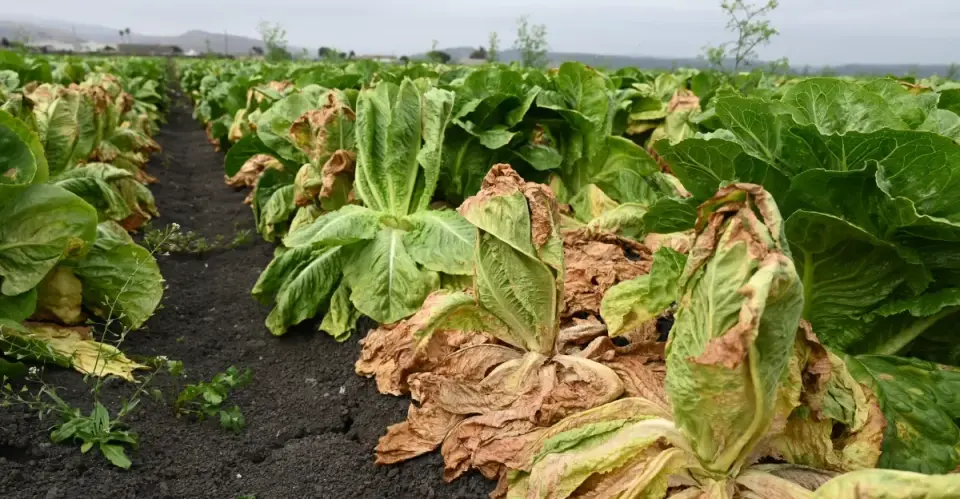
The US is facing a severe surge in foodborne illnesses, with over 17,000 confirmed cyclosporiasis cases since May. While the total number of FDA recalls is statistically lower than historical averages, the severity of outbreaks has increased, driven by climate change and significant staffing cuts at the FDA and CDC.
Key points
- Since May, the US has recorded over 17,000 lab-confirmed cyclosporiasis cases, the highest in history, affecting 48 states and the District of Columbia.
- Other major outbreaks include salmonella from jalapenos (431 cases) and alfalfa sprouts (55 cases), plus a listeria death linked to ricotta cheese.
- The FDA classified 860 food recalls through August 2026, which is 15% below the five-year average, despite the high number of illnesses.
- The FDA and USDA have lost over 11,000 workers, a 22% cut, while the CDC lost about 25% of its staff, reducing surveillance capabilities.
- Climate change is expanding the range of pathogens like cyclospora into northern US regions, making domestic outbreaks more likely.
Background
This crisis follows a series of earlier alerts in 2026, including a massive recall of 1.6 million dozen eggs in August and a Class I high-risk recall of frozen blueberries in late August. The current wave of illnesses builds on previous concerns about supply chain vulnerabilities and the impact of government staffing reductions on public health monitoring.
How outlets are covering it
Vox emphasizes that the underlying drivers of foodborne illness, such as globalized supply chains and climate change, are worsening, while federal capacity to respond is shrinking due to staffing cuts. USA Today notes that while the total number of recalls is lower than historical averages, the number of people getting sick is higher, suggesting that reduced surveillance may be masking the true extent of contamination. The Baltimore Sun highlights that a single contamination event can lead to multiple recalls, complicating the analysis of recall trends.
Why it matters
The combination of climate-driven pathogen expansion and reduced federal oversight creates a long-term risk for food safety. As pathogens like cyclospora become endemic in the US, the lack of robust surveillance and response capabilities could lead to more frequent and severe outbreaks, impacting public health and consumer confidence in the food supply.
What to watch
The FDA is rushing to hire 2,200 new staff members to address the crisis, but experts warn that rebuilding capacity will be difficult. Consumers are advised to cook vegetables thoroughly to eliminate pathogens, and public health officials are expected to continue monitoring for new outbreaks as the season progresses.
- The surprising reason food recalls are getting worse vox.com
- Are food recalls increasing under RFK? What the data reveals. USA Today
- E. coli, Salmonella, Cyclospora: Is the U.S. Seeing a Surge in Foodborne Illnesses? Time Magazine
- LIST: Here's all the food under recall in the US WUSA9
- Multiple food recalls and outbreaks are raising food safety questions in US Baltimore Sun
Want the full story? Read the original reporting
Read on vox.com