
India's Healthcare Boom: Record Investment Clashes with Rising Affordability Crisis
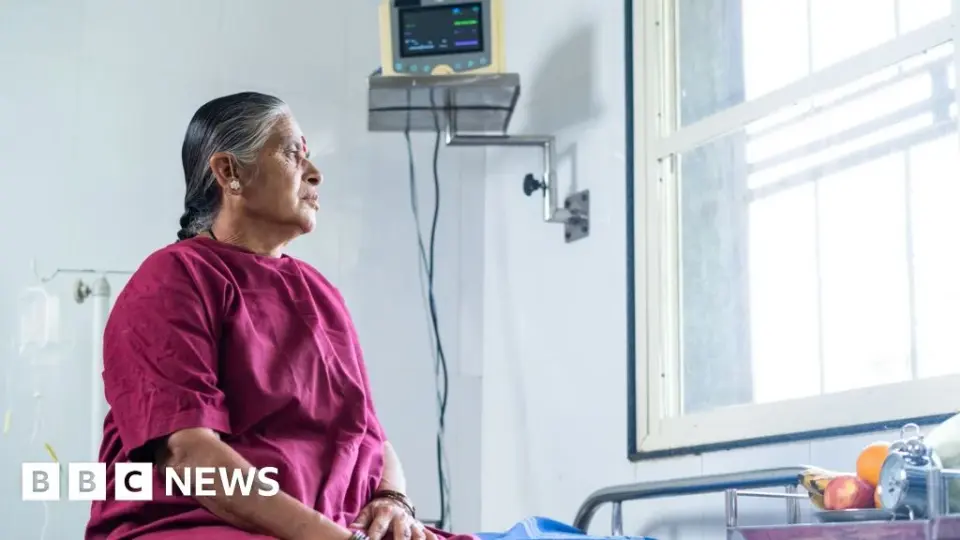
India's private healthcare sector is experiencing a massive investment surge, with over $50 billion in recent mergers and acquisitions, yet a new government report highlights a deepening affordability crisis. While access to facilities has improved, costs in private hospitals are five to ten times higher than in government ones, pushing millions into debt. A debate is intensifying over whether to cap prices or strengthen public healthcare, with industry groups warning that regulation could deter foreign investment.
Key points
- A government panel report found that private hospital treatment costs are 5-10 times higher than government facilities, with the gap widening for critical illnesses like cancer and heart disease.
- The private healthcare sector has seen unprecedented growth, including a $1 billion IPO by Manipal Health and over $30 billion in private equity transactions between 2022 and 2024.
- Regulators in Maharashtra discovered that some hospitals are selling IV sets with a 2,800% profit margin, highlighting concerns over unmonitored pricing of medical devices.
- The government panel recommended capping hospital room tariffs at three-star hotel levels and regulating prices for essential treatments, but industry groups like NATHEALTH oppose this, arguing it would stifle investment.
- Public health experts argue that while price caps are necessary, they must be based on accurate cost data, and that the primary solution should be increasing public health expenditure, which currently stands at 1.4% of GDP.
Background
This development follows a broader global trend of private equity investment in healthcare, as seen in the US 'payvider' model, where hospitals also own insurance plans. In India, the issue is compounded by a fragmented public health system, with over 150 different health schemes, and a significant gap between the current 1.4% of GDP spent on health and the 2.5% target set by the National Health Policy. The recent proposal for a 'One Nation, One Health' scheme aims to unify these schemes and provide universal coverage, but faces constitutional challenges as health is a state subject.
How outlets are covering it
The BBC and the government panel emphasize the 'deepening affordability crisis' and the need for price regulation to protect vulnerable households from 'catastrophic debt.' In contrast, industry representatives like Siddhartha Bhattacharya of NATHEALTH argue that the focus should be on reducing structural costs like taxes and regulatory compliance, not capping rates, as this would deter foreign investment. Public health experts like Dr. Srinath Reddy of the Public Health Foundation of India support the need for price regulation but caution against 'blanket caps' without proper cost data. The Daijiworld article, while not directly addressing the BBC report, highlights the public frustration with the current system, citing over 4,500 crore raised through crowdfunding for hospital bills in five years, and advocates for a universal, free healthcare system.
Why it matters
The tension between rapid private sector growth and rising costs threatens to exclude millions of Indians from critical care, potentially leading to a public health crisis. The outcome of this debate will determine whether India's healthcare system becomes more equitable or more stratified, with significant implications for the country's social stability and economic productivity.
What to watch
The government is expected to consult with the industry before making any of the panel's recommendations binding. The National Health Authority has indicated it will consider elements of the 'One Nation, One Health' proposal, including digital integration and universal insurance, in future policy formulation. The industry is likely to continue resisting price caps, while public health advocates will push for increased public spending and stronger regulation.
- India's hospital boom is improving access but pricing millions out of critical care BBC
- Government health schemes at a crossroads thehindubusinessline.com
- Critically discuss how a standardized drug registry can curb out-of-pocket healthcare expenditure in India. Why does the transition from branded to generic medicines face systemic resistance? – GKToday GK Today
- Why Managerial Reforms Alone Cannot Fix India’s Healthcare Crisis Frontline Magazine
- 'One Nation, One Health' — India's Ambitious Step Towards Universal Healthcare Daijiworld
Want the full story? Read the original reporting
Read on BBC