
Employers Drop GLP-1 Coverage as Healthcare Costs Outpace Wages
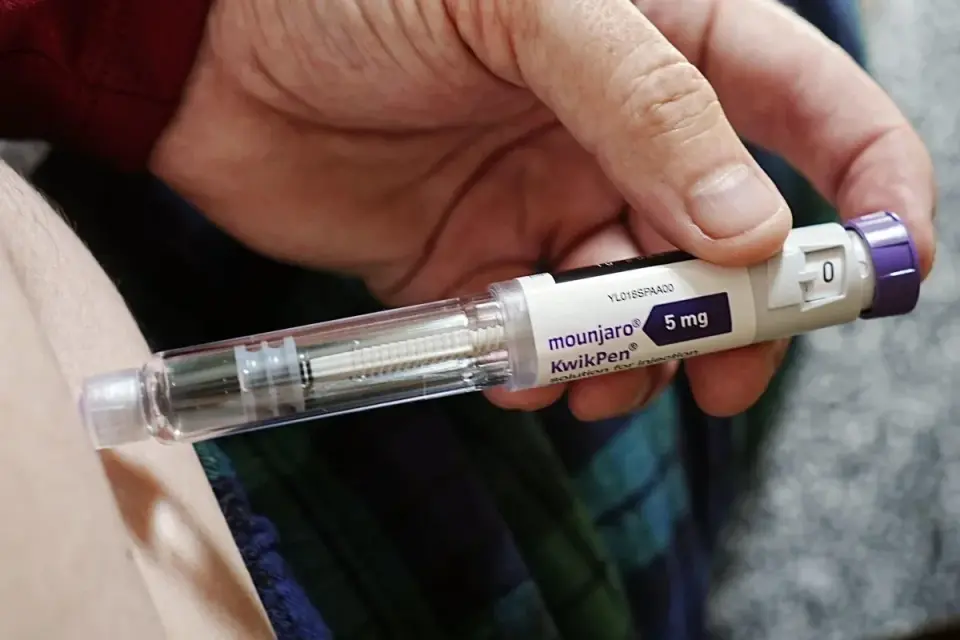
Rising costs for weight-loss drugs are forcing US employers to cut coverage, with private-sector health benefit expenses rising 6% in 2026, more than double wage growth. While some companies restrict access to GLP-1 medications, experts argue this treats a symptom rather than the root cause of rising healthcare spending. Insurers have also tightened prior authorization requirements, creating significant hurdles for patients seeking these therapies.
Key points
- Private-sector employer health costs rose 6% in the 12 months to June 2026, compared to 3.1% wage growth, according to the Bureau of Labor Statistics.
- Some employers are dropping coverage for GLP-1 weight-loss drugs to manage costs, a trend noted by Yahoo Finance and HRD America.
- Paul Pruitt, founder of SHARx, argues that removing GLP-1 coverage without a broader strategy is ineffective, as medication cost pressure has been building since the mid-2010s.
- Specialty drugs represent 1-2% of pharmacy volume but account for approximately 60% of pharmacy spending, according to a UnitedHealthcare analysis cited in Marsh McLennan Agency's 2026 report.
- Insurers have implemented rigorous prior authorization protocols for GLP-1s, with brand-name semaglutide and tirzepatide costing $900 to $1,500 per month before rebates, according to the American Academy of Family Physicians.
Background
This development follows earlier reports of major employers like Starbucks cutting GLP-1 weight-loss coverage in October 2026. Recent studies have also explored the physiological effects of these drugs, including potential impacts on muscle mass and rare brain conditions, though the primary driver for coverage cuts remains financial.
How outlets are covering it
HRD America and Yahoo Finance highlight the financial strain on employers, with the former emphasizing that GLP-1s are a symptom of broader medication cost issues rather than the root cause. The American Academy of Family Physicians focuses on the clinical and administrative barriers, detailing how complex prior authorization requirements hinder patient access to life-changing therapies. While HR leaders view coverage cuts as a necessary cost-saving measure, medical experts warn that restricting access without addressing underlying utilization and pricing structures may not yield long-term savings and could negatively impact employee retention.
Why it matters
The rising cost of GLP-1 medications is reshaping employer benefits strategies, forcing companies to make difficult decisions about coverage that impact employee health and retention. This trend highlights the broader challenge of managing healthcare costs in the US, where specialty drugs are driving a significant portion of pharmacy spending. As more employers consider cutting coverage, the balance between cost containment and employee well-being becomes increasingly critical.
What to watch
Employers are expected to continue evaluating their GLP-1 coverage strategies, with some potentially adopting more holistic approaches to healthcare cost management. Insurers may further tighten prior authorization requirements, while HR leaders are urged to engage with C-suite leadership to define clear cost-reduction targets. The next wave of high-cost drugs, such as sleep medications, may also prompt similar coverage decisions in the coming years.
- America’s enthusiasm for weight-loss drugs is forcing employers to drop coverage Yahoo Finance
- Will Wegovy Be A Part D, A Medicare GLP-1 Bridge Drug Or Neither? Forbes
- Why your healthcare cost strategy is failing - and what to do hcamag.com
- Easing Prior Authorization for GLP-1s aafp.org
- How Weight-Loss Drugs Are Changing Coverage Rules for the Life Insurance Industry Muddy River News
Want the full story? Read the original reporting
Read on Yahoo Finance