
US Auto Lobby Mobilizes to Block Chinese Entry Ahead of Xi-Trump Summit
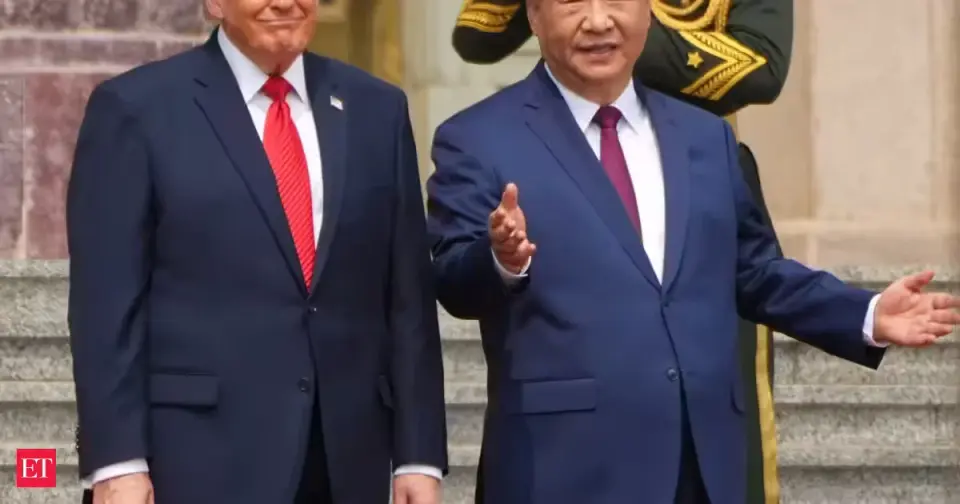
US automakers and trade groups are intensifying lobbying efforts to prevent Chinese carmakers from entering the US market, citing national security and economic risks. This push follows President Trump's recent comments suggesting he might allow Chinese firms to build vehicles in the US if they hire American workers, a stance that has alarmed industry leaders and lawmakers ahead of his upcoming summit with Chinese President Xi Jinping.
Key points
- A coalition of six major US auto trade groups, including the Alliance for Automotive Innovation and the National Automobile Dealers Association, sent a joint letter to President Trump urging him to maintain policies that 'keep the door firmly shut' to Chinese automakers seeking to sell, import, or manufacture vehicles in the US.
- The lobbying blitz was triggered by Trump's September 11 remarks on Fox News, where he stated he would be 'okay' with Chinese companies opening plants in the US if they employed local workers, drawing a parallel to Japanese automakers' presence in the US.
- Industry leaders argue that allowing Chinese manufacturing in the US would undermine fair competition, jeopardize domestic supply chains, and threaten the national defense base, which relies on the automotive sector for emergency response capabilities.
- Lawmakers from both parties, including Senator Elissa Slotkin and Representative John Moolenaar, have expressed concern that Xi might bring executives from Chinese EV giant BYD to the summit, potentially signaling backdoor agreements for market access.
- The White House responded by stating it is working with American automakers to safeguard national and economic security, while maintaining that the administration is committed to reshoring manufacturing and reviving US auto industry dominance.
Background
This development follows a series of earlier reports in September 2026 detailing Trump's shifting stance on Chinese carmakers and the resulting industry pushback. Previous coverage highlighted the irony of US automakers like Ford maintaining Chinese partnerships while lobbying against Chinese entry, and noted that Trump's comments came amid existing Biden-era bans on Chinese connected vehicle technology and 100% tariffs on Chinese EVs. The current lobbying effort represents a more unified coalition compared to earlier fragmented industry responses.
How outlets are covering it
The Economic Times emphasizes the 'sudden panic' among industry executives and the 'deep-seated anxieties' across corporate boardrooms, framing the situation as a potential threat to the US auto industry's foundational role in national defense. CNBC focuses on the unified nature of the coalition, noting that the six trade groups represent every major automaker operating in the US, including Tesla and foreign automakers, as well as the nation's roughly 17,000 franchised dealers. Axios highlights the bipartisan opposition in Washington and notes that while Trump's stance on Chinese manufacturing in the US is debated, the administration has maintained the 100% tariff on Chinese EVs and enforced the connected tech ban, recently banning Polestar (owned by Chinese automaker Geely) from new sales in the US. All three sources agree on the core facts but differ in emphasis: The Economic Times stresses the national security angle, CNBC focuses on the industry's unified front, and Axios provides context on the broader political debate and the administration's existing policies.
Why it matters
The outcome of the Xi-Trump summit could have significant implications for the US auto industry, which is already facing domestic pressures including high vehicle sticker prices, sluggish EV adoption, and soaring legacy expenses. If Trump were to allow Chinese automakers to manufacture in the US, it could shift jobs away from established brands and potentially replicate the industrial displacement witnessed in Europe, where heavily subsidized Chinese battery-electric vehicles flooded local markets. The automotive sector views itself as a foundational pillar of the national defense base, and industry leaders warn that once hollowed out, the manufacturing ecosystem cannot be rebuilt overnight. The situation also highlights the tension between Trump's transactional approach to trade and the long-term strategic interests of the US auto industry.
What to watch
The next major development will be the outcome of the Xi-Trump summit, where trade issues are expected to be discussed. Lawmakers are demanding that the executive branch issue explicit, unconditional denials regarding any potential concessions to foreign auto giants. Congress is also moving to codify restrictions through the Connected Vehicle Security Act of 2026, which was unanimously approved by the Senate Committee on Commerce, Science, and Transportation in July and is moving closer to a full floor vote. The White House has stated it is working with American automakers to safeguard national and economic security, but the industry's lobbying efforts suggest that the administration's stance on Chinese manufacturing in the US remains a point of contention.
- A Xi-Trump summit deal can throw US carmakers under the China bus The Economic Times
- Auto industry urges Trump to bar Chinese automakers in U.S. ahead of Xi visit CNBC
- Automakers Urge Trump Not to Allow Chinese Cars Into U.S. Ahead of Xi Summit WSJ
- Hyundai Motor CEO warns of Chinese vehicle surge in the US without guardrails Reuters
- U.S. auto industry pleads with Trump to ban Chinese vehicles Axios
Want the full story? Read the original reporting
Read on The Economic Times