
Musk’s SpaceX Gift to Kids Faces Low Claim Rates and Regulatory Hurdles
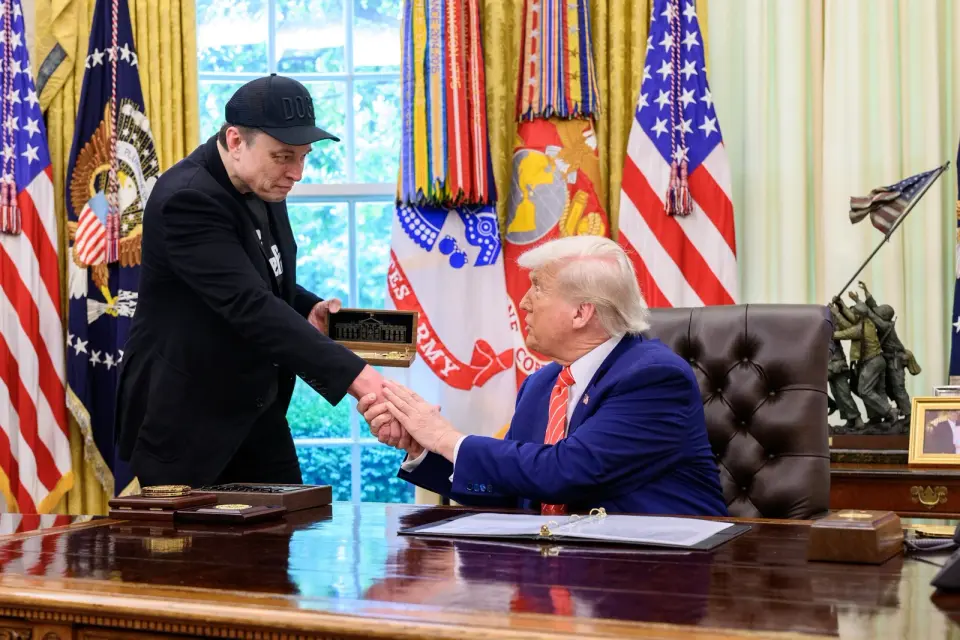
Elon Musk pledged one SpaceX share to every American child under 18, but distribution remains unclear. While President Trump linked this gift to the new Trump Accounts program, fewer than 0.3% of the 60 million auto-enrolled accounts were claimed in the first week. Experts warn that low uptake, strict holding periods, and undefined eligibility criteria may limit the real-world impact of these donations.
Key points
- Musk pledged one SpaceX share to every child in America, valued at approximately $10.5 billion to $10.7 billion, but did not specify the distribution method or eligibility criteria.
- President Trump claimed the gift would flow through Trump Accounts, but Musk’s original post did not mention the program, leaving the logistics uncertain.
- Only 164,000 of 60 million auto-enrolled accounts were claimed in the first week, a rate of less than 0.3%, according to Treasury counsel Helen Morrison.
- Parents must manually claim accounts to receive the $1,000 government seed contribution or accept donated stock, as auto-enrollment alone does not activate the accounts.
- Donated shares generally cannot be sold for five years or until the child turns 17, whichever comes first, restricting liquidity for families.
Background
The Trump Accounts program, established in July 2025, initially allowed only low-cost index funds. In July 2026, Treasury regulations were updated to permit individual stock donations from large philanthropists. The program auto-enrolled over 60 million children in October 2026, but prior coverage noted that low claim rates could hinder participation among low-income families. Michael and Susan Dell previously pledged $6.25 billion to the program, with $2.6 billion distributed by October 7.
How outlets are covering it
24/7 Wall St. emphasizes the gap between political rhetoric and reality, highlighting that fewer than 1% of auto-enrolled accounts were claimed in week one, suggesting the Musk pledge may not reach most children. CNBC focuses on the broader philanthropic trend, with Brad Gerstner calling Musk’s gift the 'tip of the iceberg' and projecting $100 billion in private contributions by 2027. USA Today presents a balanced view, noting that while early investing offers long-term compounding benefits, the restricted nature of the accounts and lack of diversification pose risks. Experts like James Vrachas argue that the value of the gift depends on delivery mechanisms and holding conditions, not just the announcement. Axios confirmed the pledge but noted the lack of detail in Musk’s original post.
Why it matters
The success of Trump Accounts depends on high claim rates and clear distribution mechanisms. If parents do not claim accounts, children may miss out on donated shares and the $1,000 seed contribution. The program’s expansion to include individual stocks could reshape child investment strategies, but low uptake and regulatory constraints may limit its impact. Future legislative changes could expand eligibility to adults under 40, potentially increasing the program’s reach.
What to watch
Watch for an official distribution plan from Musk, SpaceX, or Treasury. Monitor updated claim rates for Trump Accounts. The November 30, 2026, deadline for public comments on Treasury’s temporary regulations regarding stock donations is a key date. Legislative efforts to expand Trump Accounts to adults under 40 may also gain traction in Congress.
- Trump Says Musk Is Giving SpaceX Stock To Millions Of Kids Through Trump Accounts, But Fewer Than 1% Of The 60 Million Auto-Enrolled Accounts Were Claimed In Week One 24/7 Wall St.
- Musk's SpaceX stock gift is 'tip of the iceberg' for Trump Accounts, Altimeter's Gerstner says CNBC
- Billionaires are gifting stock to children. Is it a trick or treat? USA Today
- Musk pledges 1 SpaceX share for every child in America Axios
- Musk pledges $10bn in SpaceX shares for US children: Who really gains? Al Jazeera
Want the full story? Read the original reporting
Read on 24/7 Wall St.