
Texas Delta-8 Ban Takes Effect, Triggering Felony Charges and Industry Shifts
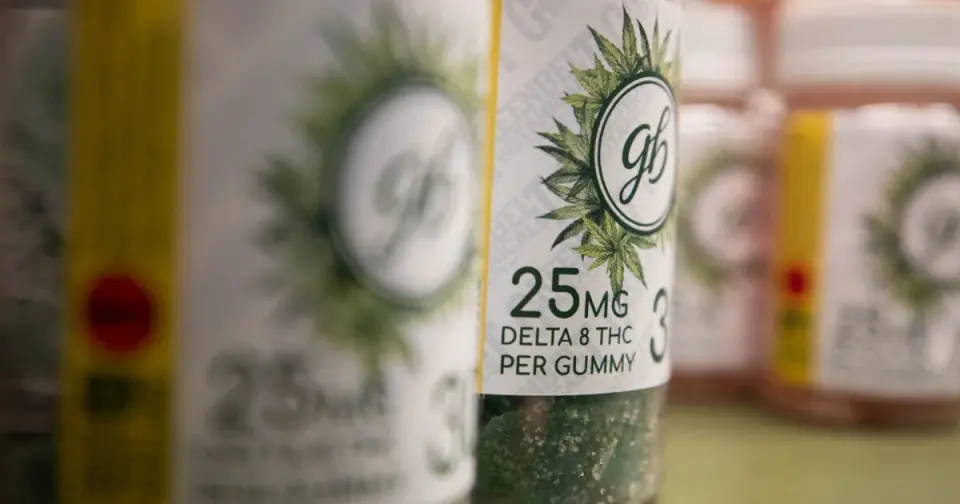
Effective July 31, Texas reinstated a ban on Delta-8 THC and other synthetic cannabinoids, classifying them as Schedule I controlled substances. Austin police now treat possession as a state jail felony, a significant escalation from previous misdemeanor policies. The move follows a Texas Supreme Court ruling that overturned a temporary injunction blocking the ban. While retailers are shifting to legal Delta-9 products, industry leaders warn that the regulation threatens the viability of small businesses and could lead to a broader statewide ban on all THC products in the upcoming legislative session.
Key points
- The Texas Department of State Health Services (DSHS) reinstated definitions classifying Delta-8, Delta-10, and other THC variants as Schedule I controlled substances, effective July 31.
- Austin police have declared that possession of Delta-8 is now a state jail felony, punishable by 180 days to two years in prison and fines up to $10,000, contrasting with the misdemeanor status of small amounts of marijuana.
- The ban targets manufactured Delta-8, which is chemically converted from CBD, while leaving edibles and drinks made from naturally occurring Delta-9 THC unaffected.
- The legal change follows a May ruling by the Texas Supreme Court that reversed a 2021 temporary injunction won by hemp businesses, allowing DSHS to enforce its 2021 definitions.
- Retailers in Austin and Denton are removing Delta-8 products from shelves, with some shifting to Delta-9 or micro-dosing strategies to comply with new laws.
- State lawmakers, including Sen. Charles Perry, are pushing for a complete ban on all consumable THC products in the next legislative session, citing public safety and financial concerns.
Background
This development follows a multi-year legal battle in Texas regarding the status of hemp-derived cannabinoids. In 2021, the state attempted to ban intoxicating THC compounds, but businesses won a temporary injunction that kept products on shelves. The recent Supreme Court ruling removed that protection, allowing the state to enforce its stricter definitions. This ban is part of a broader regulatory tightening in Texas, which includes new testing standards for total THC content and child-resistant packaging requirements. The archive does not contain prior coverage of this specific legal dispute, but it highlights the ongoing tension between state regulators and the hemp industry in Texas.
How outlets are covering it
KUT Radio emphasizes the legal and enforcement implications, noting that Austin police are treating Delta-8 possession as a felony, a stark contrast to their previous misdemeanor policy. They highlight the confusion among consumers and retailers, as well as the potential for a 'death by a thousand paper cuts' approach to dismantling the legal cannabis market. NBC 5 Dallas-Fort Worth provides a broader regulatory context, explaining that the ban is part of a wider reclassification of THC variants and new testing standards that could render many smokable hemp products illegal. They also note that lawmakers are considering a complete ban on consumable THC products. The Denton Record-Chronicle focuses on the business impact, reporting that local retailers are preparing for the ban and shifting their product lines. KCBD.com highlights the political debate, with Sen. Charles Perry arguing for a total ban due to public safety and financial concerns, while hemp shop owners counter that regulation and enforcement are sufficient and that a ban would destroy livelihoods. The sources generally agree on the facts of the ban and its effective date but differ in their emphasis on the legal, regulatory, business, and political dimensions of the issue.
Why it matters
The Delta-8 ban represents a significant shift in Texas's approach to hemp-derived cannabinoids, moving from a regulatory framework to a strict prohibition. The classification of Delta-8 as a Schedule I controlled substance and the felony penalty for possession signal a hardening of the state's stance on cannabis. This could have far-reaching effects on the hemp industry, potentially leading to the closure of small businesses and a reduction in the availability of legal cannabis products. The ongoing political debate over a complete ban on THC products suggests that the state may continue to tighten its regulations, potentially impacting the entire cannabis market. The ban also raises questions about enforcement and the practicality of distinguishing between legal and illegal products, as well as the potential for increased criminalization of individuals who possess these substances.
What to watch
The immediate next step is the enforcement of the ban, with Austin police and other local law enforcement agencies likely to begin treating Delta-8 possession as a felony. The hemp industry will continue to adapt, with retailers shifting to legal Delta-9 products or other compliant products. The state legislature will likely revisit the issue in the next session, with Sen. Charles Perry and others pushing for a complete ban on consumable THC products. The outcome of this debate will determine the future of the hemp industry in Texas and could set a precedent for other states. Additionally, the new testing standards and packaging requirements will require businesses to adjust their operations to remain compliant with state law.
- Texas will ban Delta-8 on July 31. Austin police say possession will be a felony KUT
- Texas expands THC crackdown: Delta-8, other hemp products face July 31 ban NBC 5 Dallas-Fort Worth
- Denton businesses prepare for more THC products to be banned July 31 Denton Record-Chronicle
- Texas lawmakers consider THC ban ahead of next legislative session KCBD.com
- Delta-8, THC products come off Texas shelves Friday under new state ban USA Today
Want the full story? Read the original reporting
Read on KUT