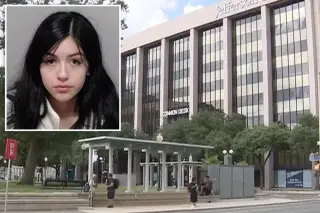
Karla Ibarra, 18, was arrested in San Antonio after allegedly handing her one-month-old son to a stranger at a bus stop. The infant was temporarily cared for by a bystander before being placed with relatives. Ibarra faces charges for abandoning and endangering a child, with bail set at $7,000.
An 18-year-old Texas mother, Karla Ibarra, was arrested in San Antonio after allegedly handing her one-month-old son to a stranger at a bus stop. Ibarra approached Jennifer Benavides, who was waiting for a bus, and offered the child along with his identification documents. Benavides refused the offer, took the infant to a friend's home, and called police. Ibarra fled in an Uber but returned later, where she was arrested and charged with abandoning and endangering a child. The baby was placed with relatives, and Ibarra’s bail was set at $7,000.
A DoorDash driver in northeast Houston was permanently banned from the platform after delivering food to a customer's home while naked. The incident, captured on a Ring camera on August 24, involved customer Kiante Matlock, who was inside playing video games with his daughter when the delivery arrived. DoorDash described the behavior as 'vulgar and completely unacceptable,' refunded the order, and removed the driver for violating community guidelines. Houston police advised residents to preserve video evidence and report such incidents, noting that criminal charges depend on the specific circumstances.
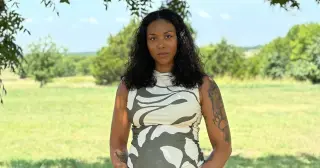
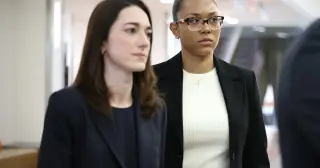
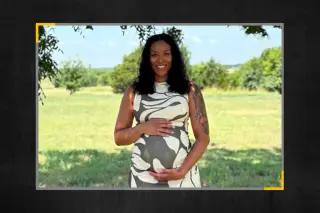
A California couple and their surrogate faced off in a Dallas court over a newborn with a life-threatening heart defect, with the child’s condition deteriorating after birth. The couple, Nausheen Gilkar and Omar Ahmed, argued they are the child’s parents and expressed anguish over the surrogate’s attempts to deny them rights, citing a previous request for an abortion. Surrogate McKenna West, a nurse from Alaska, sought sole conservatorship to make medical decisions, claiming the couple was not committed to ensuring the child received necessary surgeries. The court did not issue a final ruling on custody or conservatorship, leaving a restraining order in place. The dispute highlights tensions between surrogacy contracts, parental rights, and abortion politics, with the child suffering from hypoplastic left heart syndrome, a condition that can be fatal without treatment.
A Dallas judge has extended a temporary restraining order for 14 days, delaying a final decision on custody of a newborn with a severe heart defect. The case involves a California couple, Nausheen Gilkar and Omar Ahmed, and their surrogate, McKenna West, who moved to Texas to give birth after refusing their request to terminate the pregnancy. The infant, named Rumi by the parents and Gabriel by West, is in critical condition following surgery. West seeks sole medical conservatorship, while the couple asserts parental rights and alleges West breached their surrogacy contract.
A Dallas County judge has extended a temporary restraining order for 14 days, preventing surrogate McKenna West from having custody or making medical decisions for the newborn she delivered. The child, born with a rare heart defect, remains in critical condition after surgery. The case highlights conflicts between surrogacy contracts, state abortion laws, and parental rights, with the biological parents and the surrogate offering conflicting accounts of the pregnancy's termination request.
A Dallas court battle over the custody of a newborn with a rare heart defect is testing the limits of surrogacy contracts in Texas. McKenna West, an Alaskan surrogate, is seeking custody of the baby, whom she calls Gabriel, arguing that Texas law grants parental rights to the birth mother. The biological parents, Omar Ahmed and Nausheen Gilkar, have named the child Rumi and are suing West for over $100,000 for breaching a contract that included an abortion clause. While the infant has undergone a critical Norwood procedure, the case has drawn intervention from Texas Attorney General Ken Paxton and conservative groups, raising concerns that a ruling in West’s favor could discourage commercial surrogacy and alter how states enforce pregnancy termination clauses.
A mother says Nowhere Bar in Celina, Texas ejected her family on Father’s Day because she was breastfeeding. She refused to cover up, staff reportedly cited camera monitoring, and the owner offered to cover the bill but asked them to leave. The viral video has divided commenters over public breastfeeding, decency, and restaurant policy. Texas law allows breastfeeding in public locations, highlighting a broader cultural debate about feeding a baby in public.
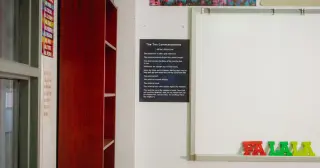
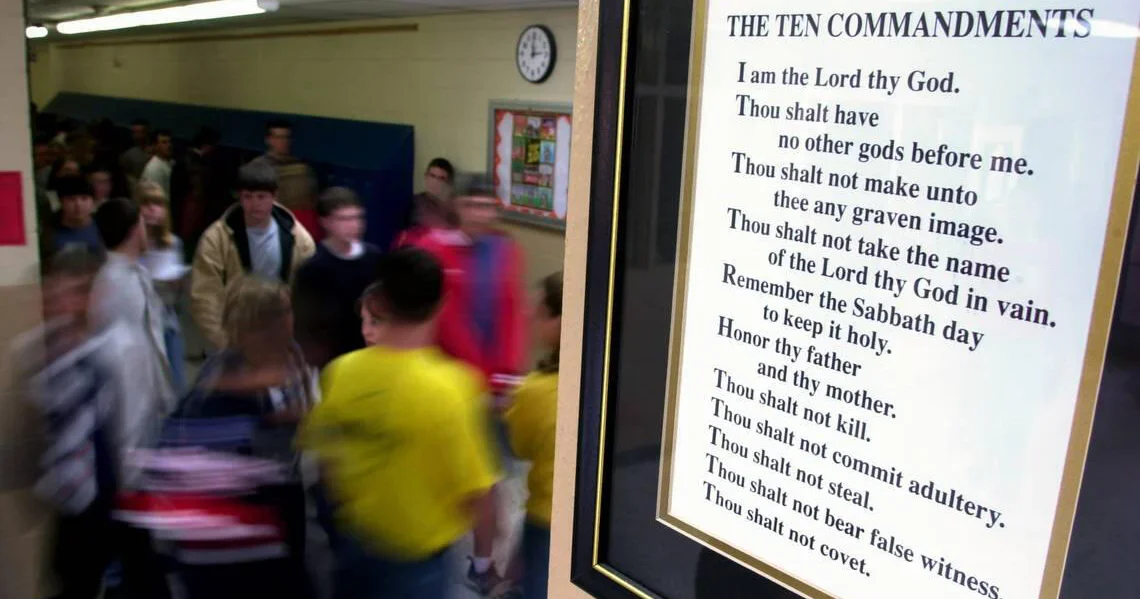
The U.S. Court of Appeals for the Fifth Circuit narrowly upheld Texas’s 2025 law requiring public schools to display Ten Commandments posters in classrooms, ruling the measure does not violate the First Amendment or parents’ rights, a decision that reverses lower-court blocks and could be appealed to the Supreme Court.
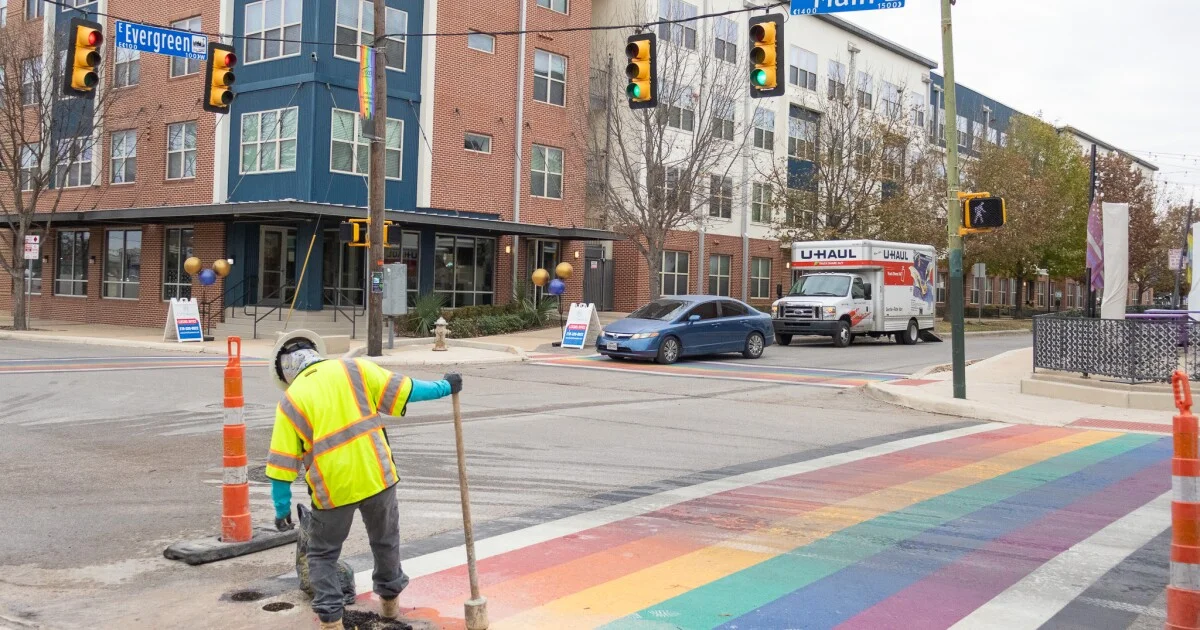
San Antonio began removing the rainbow crosswalk at Main Avenue and Evergreen Street, drilling core samples to preserve the concrete cylinders for the city’s historic archive, as activists criticize the move amid Texas directives; a protest rally is planned for the intersection.
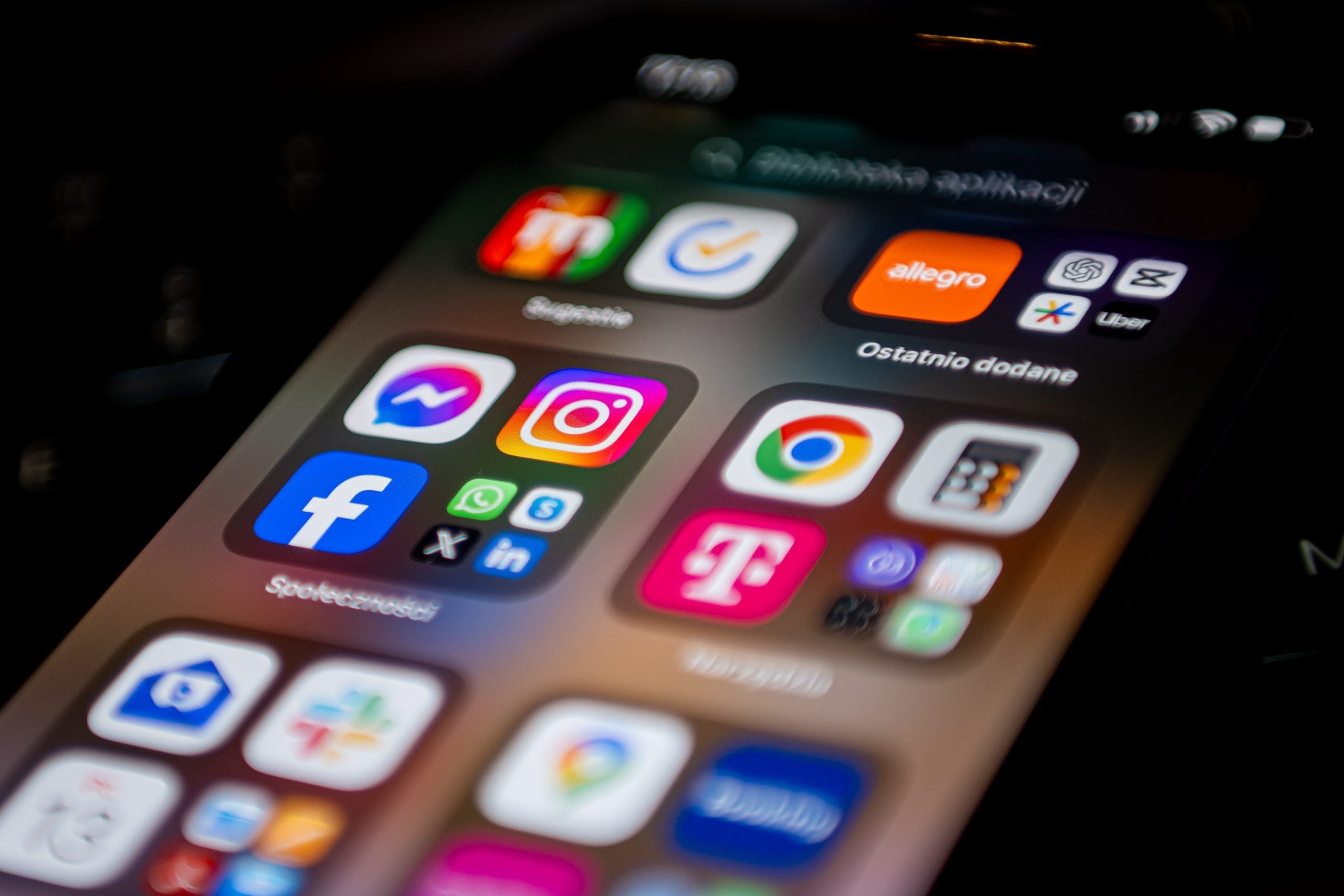
A federal judge temporarily blocked a Texas law that imposed restrictions on minors' use of app stores, citing concerns that it was unconstitutionally vague and overbroad, and potentially violated free speech rights, while the law's supporters remain confident it will be upheld.
Starting January 1, 2026, Apple will require new iPhone users in Texas to verify their age, with users under 18 needing to join a Family Sharing group and parental consent for app downloads and in-app purchases, in compliance with Texas' age verification law. Apple is updating its APIs to support these requirements, while also expressing concerns over privacy implications. Similar laws are expected in Utah and Louisiana, and Google is preparing to support developers accordingly.
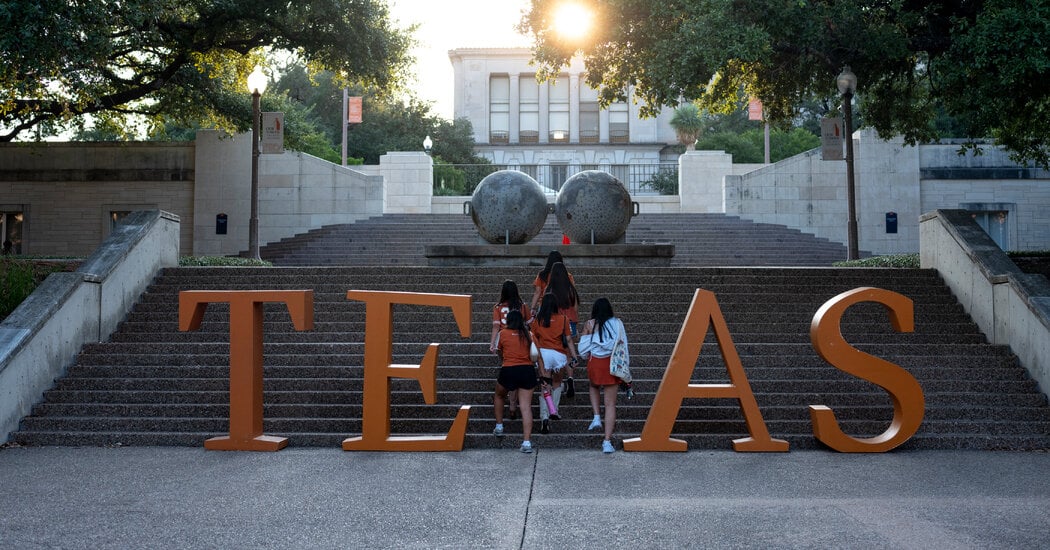
The Trump administration challenged state laws offering in-state tuition to undocumented immigrants, leading to legal battles and the end of such benefits in Texas, which previously allowed undocumented students like Berenice to access affordable college tuition, now facing higher costs.
A Texas federal court temporarily blocked a law requiring public schools to display the Ten Commandments, citing potential violations of the First Amendment and concerns over religious coercion, with the state planning to appeal the decision.
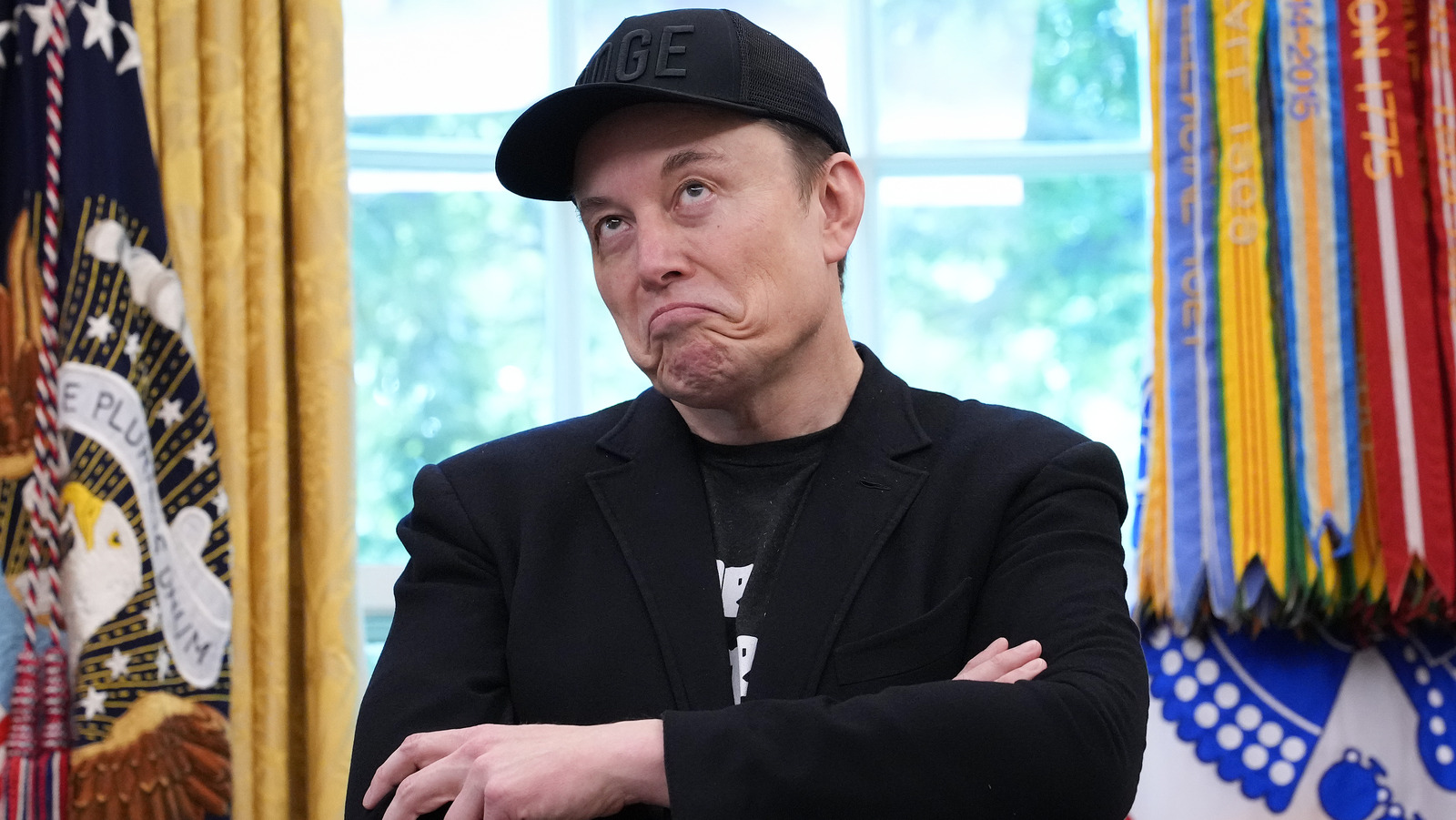
Tesla has delayed its annual shareholder meeting until November, citing strategic reasons such as improving business performance and managing shareholder concerns amid declining stock value and governance issues. The delay, unusual for a major company, appears to be a move to avoid immediate shareholder agitation and to give Musk time to address company and personal controversies. This situation highlights Tesla's current governance challenges and Musk's shifting focus away from traditional automotive business.