
6th Circuit Rules States Can Regulate Kalshi Sports Contracts, Deepening Legal Split
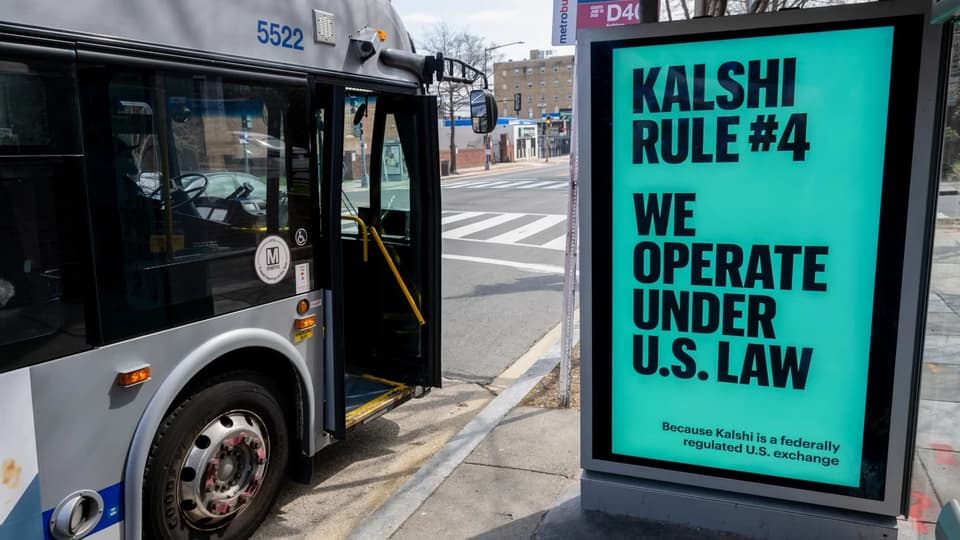
The 6th U.S. Circuit Court of Appeals ruled on September 25 that Ohio and Tennessee may apply state gambling laws to Kalshi’s sports-related event contracts. The unanimous decision rejects Kalshi’s argument that such contracts are federally regulated 'swaps' under the Commodity Futures Trading Commission (CFTC). This ruling marks the second major appellate loss for prediction market platforms, following a similar 9th Circuit decision regarding Nevada. The conflicting rulings across circuits have intensified calls for Supreme Court intervention to resolve whether prediction markets are gambling or financial instruments.
Key points
- The 6th Circuit Court of Appeals unanimously ruled that Ohio and Tennessee can regulate Kalshi’s sports event contracts under state gambling laws.
- The court rejected Kalshi’s claim that its contracts are 'swaps' subject to exclusive CFTC jurisdiction, stating the Commodity Exchange Act does not preempt state gambling laws.
- This decision overturns a lower court ruling in Tennessee and affirms a similar ruling in Ohio, marking the second major appellate defeat for prediction market platforms.
- The ruling deepens a split with the 3rd Circuit, which previously ruled that the CFTC has exclusive jurisdiction over such contracts in New Jersey.
- Kalshi’s CEO Tarek Mansour and executives have faced separate legal challenges from Native American tribes, who allege the platform constitutes unauthorized sports gambling under federal Indian gaming laws.
Background
Prediction markets have grown rapidly, prompting regulatory debates over whether they constitute gambling or financial derivatives. In August 2026, the 9th Circuit ruled that Nevada could regulate such markets, while the 3rd Circuit ruled in April that New Jersey could not, creating a circuit split. New Jersey subsequently petitioned the Supreme Court to resolve the conflict, a move that may be accelerated by the 6th Circuit’s recent decision.
How outlets are covering it
CNBC and Mashable emphasize the legal significance of the 6th Circuit’s ruling as a major setback for Kalshi, highlighting the court’s rejection of the 'swap' classification. Al Jazeera frames the decision within the broader context of prediction market growth and ethical concerns, noting the potential for Supreme Court review. The New York Post focuses on a separate but related conflict, detailing Kalshi’s failed negotiations with Native American tribes and the resulting lawsuits, which threaten the company’s business model. While CNBC and Mashable focus on state vs. federal regulatory authority, the Post highlights the industry’s internal divisions and the existential threats posed by tribal gaming interests.
Why it matters
The ruling intensifies the legal uncertainty surrounding prediction markets, potentially leading to a Supreme Court decision that could define the regulatory framework for the industry nationwide. It also highlights the risks of a fragmented regulatory landscape, where platforms face different rules in different states, complicating operations and compliance.
What to watch
Kalshi has indicated it will appeal the decision, and the Supreme Court may be asked to resolve the circuit split. The outcome of the tribal lawsuits and the New Jersey petition could further shape the regulatory environment for prediction markets in the coming months.
- Appeals court rules that states can regulate Kalshi’s sports prediction markets, dealing another legal blow to platforms CNBC
- Appeals court says Ohio and Tennessee can regulate Kalshi under gambling laws Mashable
- Kalshi’s Embrace of Sports Betting Tests Rules for Prediction Markets WSJ
- US court rules against Kalshi, says states can regulate prediction markets Al Jazeera
- Inside Kalshi CEO Tarek Mansour's testy relationship with Indian casinos -- and how it could pose an existential threat: 'Lying little twerp' New York Post
Want the full story? Read the original reporting
Read on CNBC