
Gibson Dunn’s Poach of Wachtell Co-Chair Bill Savitt Marks End of Law Firm’s Lockstep Era
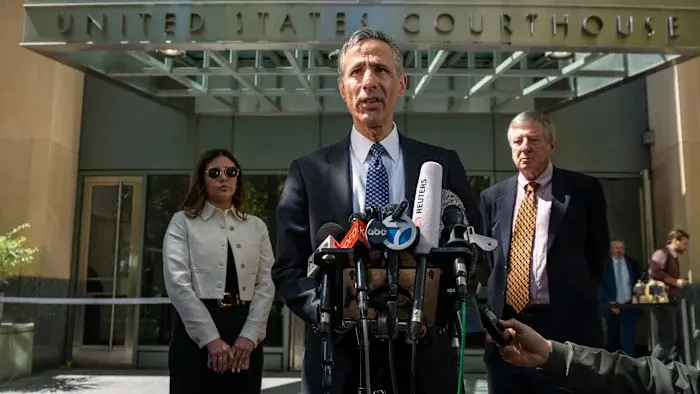
Gibson Dunn has secured the services of Bill Savitt, the co-chair of New York’s most prestigious law firm, Wachtell, Lipton, Rosen & Katz, along with five other litigation partners. This high-profile move signals a shift in the legal industry, where elite firms are no longer immune to aggressive talent poaching. Savitt’s departure follows Wachtell’s recent transition from a pure lockstep compensation model to a modified system, which had alienated some litigators. The move highlights the growing power of individual lawyers over firm loyalty and the intensifying competition for top legal talent.
Key points
- Gibson Dunn announced the hiring of Bill Savitt, a former co-chair of Wachtell, along with five other partners, including Sarah Eddy and Randall Jackson.
- Savitt, known for defending OpenAI against Elon Musk, was recruited by Gibson Dunn’s Orin Snyder after a coffee meeting in New York.
- Wachtell recently shifted from a pure lockstep pay system to a modified model, widening the compensation gap between partners and reallocating resources from litigators to dealmakers.
- The move is seen as a significant blow to Wachtell’s Delaware corporate litigation practice, which had been a cornerstone of the firm’s reputation.
- Gibson Dunn, with 2,200 lawyers and nearly $5bn in annual revenue, is aggressively expanding its litigation and deals practices, while Wachtell has lost at least a dozen partners this year.
Background
The legal industry has seen a surge in lateral partner moves in recent years, with top M&A and private equity lawyers often receiving pay packages exceeding $20 million annually. Wachtell, historically known for its lockstep compensation and high partner retention, had been resistant to these trends. However, the firm’s recent compensation changes and the departure of key litigators have exposed vulnerabilities in its traditional model. The archive does not provide relevant background for this specific legal industry development.
How outlets are covering it
The Financial Times emphasizes the audacity of Gibson Dunn’s move, highlighting Savitt’s status as a quintessential Wachtell company man and the unprecedented nature of a de facto managing partner leaving for a rival. Bloomberg Law focuses on the broader implications for Wachtell’s stability, noting that the firm is now exposed to the hyper-competitive legal market and that poachers are likely to intensify their efforts. Law.com points to the structural changes at Wachtell, specifically the shift from pure lockstep compensation, as a key factor in Savitt’s departure, suggesting that larger firms like Gibson Dunn and Latham & Watkins are using their scale to poach partners. The outlets agree on the significance of the move but differ in their emphasis: the FT and Bloomberg Law focus on the cultural and competitive implications, while Law.com highlights the compensation model changes as a primary driver.
Why it matters
Savitt’s move marks a turning point in the legal industry, where the traditional model of firm loyalty and lockstep compensation is being challenged by aggressive talent poaching. It signals that even the most prestigious and stable law firms are vulnerable to the free market dynamics of Big Law. The move also highlights the growing power of individual lawyers, who can now leverage their client relationships and expertise to command significant pay packages and influence firm strategies. This shift could lead to further instability in the legal industry, as firms compete for top talent and adapt their compensation models to retain key partners.
What to watch
Wachtell will need to address the loss of its core Delaware litigation practice and potentially further adjust its compensation model to retain remaining partners. Gibson Dunn will likely continue its aggressive recruitment efforts, targeting other elite firms for top litigation and deals talent. The legal industry may see a further shift away from lockstep compensation as firms compete for top talent, leading to increased pay disparities and a more dynamic lateral market.
- The talent raid that shook New York’s most prestigious law firm Financial Times
- Six Lawyers Switched Firms and Big Law Will Never Be the Same WSJ
- Savitt's Move Punctuates Pure Lockstep's Fall—and Gibson Dunn's Talent Share Rise Law.com
- Gibson Dunn Hires Rival Wachtell Lipton’s Co-Chair The New York Times
- Wachtell Chief’s Sudden Exit Has Rival Big Law Poachers Circling Bloomberg Law News
Want the full story? Read the original reporting
Read on Financial Times