
Philadelphia Professor Arrested for Blocking Uber Eats Robot, Vows to Continue Protests
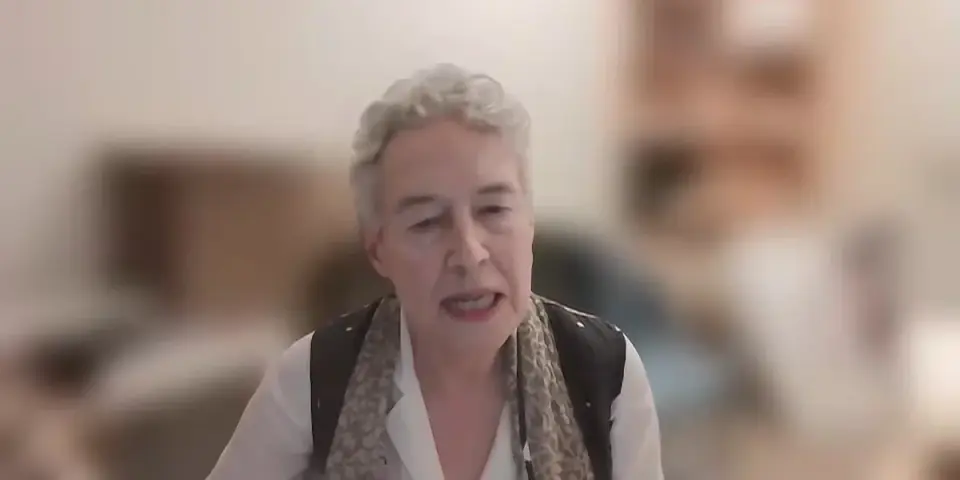
Carolyn Marvin, a 78-year-old retired University of Pennsylvania communications professor, was arrested for disorderly conduct on October 14 after refusing to move from the path of an Uber Eats delivery robot in Philadelphia. Marvin, who has been blocking the autonomous machines since their March launch in the city, claims her actions are a protected form of free speech and a protest against corporate encroachment on public space. While police cited her for disorderly conduct after she ignored commands to move, Marvin argues that Pennsylvania law classifies these robots as 'personal delivery devices' rather than pedestrians, meaning humans should have priority. She maintains that her protests, which delay deliveries by only 10 to 15 minutes, highlight issues regarding worker displacement, sidewalk safety, and privacy. Despite the arrest, Marvin intends to continue her demonstrations, though she plans to be more cautious of police presence in the future.
Key points
- Carolyn Marvin was arrested on October 14 in Philadelphia for disorderly conduct after refusing to move from the path of an Uber Eats delivery robot.
- Marvin, a 78-year-old retired professor, has been blocking delivery robots since they launched in Philadelphia in March, viewing it as a symbolic protest.
- Marvin argues her actions are protected free speech and that she has more rights than the robots, which are classified as 'personal delivery devices' under Pennsylvania law.
- The 2020 Pennsylvania law requires vehicles to yield to delivery robots at crosswalks but mandates that robots yield to actual pedestrians and cyclists.
- Marvin cites concerns about the displacement of low-income delivery workers, sidewalk safety hazards, and privacy issues related to cameras on the robots.
- Police responded to a report of 'criminal mischief' and issued multiple commands for Marvin to move, which she refused to comply with.
Background
This incident follows a broader trend of public resistance to autonomous delivery robots in U.S. cities, which have faced physical abuse and vandalism in recent months. Earlier coverage in October 2026 noted that Marvin had been blocking robots since March, with previous incidents occurring near Reading Terminal Market. The current arrest marks the first time police have intervened in her ongoing protests, escalating a situation that had previously been characterized as a minor nuisance by some observers. The legal framework governing these robots, established by Pennsylvania's Act 106 of 2020, has been a point of contention, with Democrats and labor unions opposing the legislation due to concerns about job displacement and pedestrian safety, while Republicans supported it as a technological advancement.
How outlets are covering it
CNN and The Independent emphasize Marvin's First Amendment arguments and her view that she is protesting corporate abuses in public space. They highlight her previous activism in civil rights and anti-war movements as context for her current actions. WPVI (via CNN Newsource) focuses on the immediate facts of the arrest, noting that Marvin was charged with disorderly conduct after ignoring officer commands. The Times of India provides a similar overview but places greater emphasis on the legal wrinkle of robots being classified as pedestrians, noting that while vehicles must yield to them, humans still hold priority in pedestrian areas. All sources agree that Marvin intends to continue her protests, though CNN and The Independent note her intention to be more cautious of police presence. There is no significant disagreement among the outlets regarding the core facts of the incident, but they differ in their emphasis on the legal and political implications of the robot's status.
Why it matters
This case highlights the growing tension between autonomous technology and public space in urban environments. It raises questions about the legal status of delivery robots and the rights of citizens to protest their presence. The incident also underscores broader concerns about the impact of technology on employment, safety, and privacy in everyday life. Marvin's arrest and subsequent vow to continue her protests may set a precedent for how authorities handle similar demonstrations against autonomous systems in the future.
What to watch
Marvin plans to continue blocking delivery robots, though she intends to be more cautious of police presence to avoid further arrests. She may also contest the disorderly conduct charge, potentially leading to legal proceedings that could clarify the rights of pedestrians versus autonomous delivery devices in Pennsylvania. The incident may also prompt further public debate about the role of autonomous technology in urban spaces and the need for clearer regulations to balance innovation with public safety and rights.
- Woman says protest was free speech after arrest for allegedly blocking robot’s path WNDU
- This retired professor was arrested for blocking a delivery robot. She says she’ll do it again CNN
- Philadelphia professor arrested for blocking delivery robots, says she would do it again because she believes she has more rights than a robot The Times of India
- 78-year-old former college professor arrested for blocking delivery robot in protest The Independent
Want the full story? Read the original reporting
Read on WNDU