
Meta Trial: Whistleblower Blames Zuckerberg’s Culture for Safety Failures
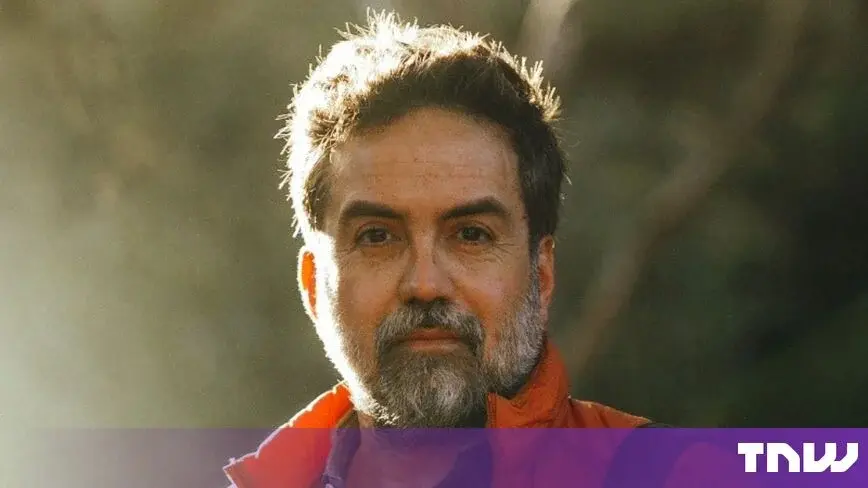
In a landmark federal trial in Oakland, former Meta engineer Arturo Béjar testified that Mark Zuckerberg’s corporate culture prevented the company from fixing safety issues for minors. The trial, brought by four state attorneys general, alleges Meta designed addictive features to hook young users. Béjar, who worked at Meta from 2009-2015 and 2019-2021, claimed safety tools were left as optional settings, rendering them ineffective. The states argue Meta prioritized profit over safety, while Meta denies the allegations, claiming it has addressed risks. Damages could reach $200 billion, equivalent to Meta’s annual revenue.
Key points
- Arturo Béjar, a former Meta safety engineer, testified that Mark Zuckerberg’s culture made it impossible to implement effective safety features for minors.
- The trial, opened on Tuesday in Oakland, is brought by California, Colorado, Kentucky, and New Jersey, alleging Meta engineered Facebook and Instagram to hook minors.
- Béjar stated that safety countermeasures were left as optional settings rather than defaults, meaning few users utilized them.
- Meta’s lawyers argued that Béjar’s teams did not solve the harms he described, suggesting the problems lacked viable solutions.
- The states seek penalties that could reach $200 billion, while Meta claims the states are pursuing an inflated $1.4 trillion figure.
- The trial is expected to last six weeks, with potential testimony from Zuckerberg and Instagram CEO Adam Mosseri.
Background
This trial follows earlier coverage of Meta’s legal challenges regarding teen mental health and data harvesting. In August 2026, reports indicated Meta could face damages up to $1.4 trillion or $200 billion in a California federal case. The states have sought to ban algorithms like infinite scroll and autoplay, while Meta argued there was no proof its apps caused real-world harm. The current trial in Oakland is distinct as it is brought by states rather than individuals, lowering the burden of proof for harm to individual users.
How outlets are covering it
TNW emphasizes the cultural aspect, highlighting Béjar’s testimony that Zuckerberg’s culture hindered safety efforts. The Guardian focuses on the 'don’t ask, don’t tell' strategy, noting Béjar’s repeated warnings to executives, including Zuckerberg, about harmful content. Both sources agree on the core allegations but differ in emphasis: TNW stresses the design of optional safety settings, while The Guardian highlights the alleged misleading public statements by Zuckerberg. Meta’s defense, as reported by both, centers on the claim that it has addressed risks and that the states’ case relies on selectively quoted documents.
Why it matters
The outcome of this trial could set a precedent for how tech companies are held accountable for the design of addictive features and their impact on minors. If Meta is found liable, it could face significant financial penalties and be forced to redesign its platforms, potentially altering the business model of social media companies. The trial also highlights the growing scrutiny of tech giants’ responsibilities toward user safety, particularly for vulnerable groups like children.
What to watch
The trial is scheduled to continue for approximately six weeks. The states have not confirmed whether they will call Mark Zuckerberg to testify, though other witnesses, including Instagram CEO Adam Mosseri, are expected. The jury will need to determine if Meta’s design choices caused harm to young users and if the company knowingly misled the public about its safety efforts. The financial implications, with potential damages reaching $200 billion, could significantly impact Meta’s operations and strategy.
- Meta’s first witness told a jury the problem was Mark Zuckerberg’s culture The Next Web
- New Jersey Teenager Drops Bellwether Social Media Addiction Lawsuit The New York Times
- Meta defends its child safety efforts but critics say the social media giant falls short Dallas News
- Meta’s blockbuster trial draws parallels to big tobacco The Economist
- Zuckerberg lied about concern for child safety, Meta whistleblower testifies at landmark trial The Guardian
Want the full story? Read the original reporting
Read on The Next Web