
Americans set thermostats to 71 degrees, defying energy efficiency advice
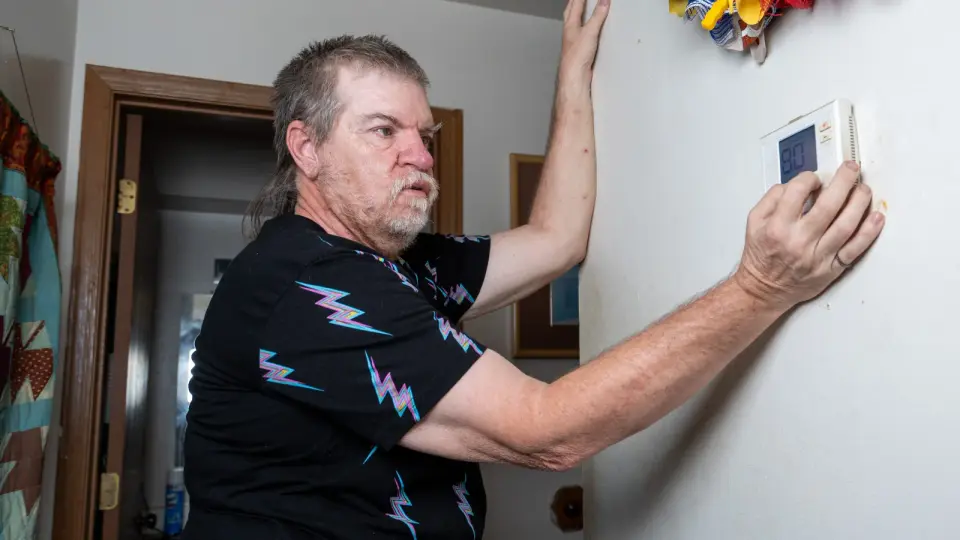
Despite official recommendations to set air conditioning to 78 degrees Fahrenheit for energy savings, a 2021 Consumer Reports survey indicates the average American home is set to 71 degrees. This gap persists even as forecasters predict a final heat wave will push temperatures near 100 degrees in parts of the Midwest and East Coast ahead of Labor Day weekend.
Key points
- AccuWeather forecasts daytime highs 10-15 degrees above historical averages in the Mississippi Valley, mid-Atlantic, and Southeast through early September.
- Cities including Raleigh, St. Louis, Cincinnati, Philadelphia, Atlanta, and Washington D.C. are predicted to reach the 90s or near 100 degrees.
- A 2021 Consumer Reports survey found the average U.S. thermostat setting is 71 degrees, with Southern residents preferring 72 degrees and Northeastern residents 70 degrees.
- Energy providers such as Constellation, National Grid, and Carrier recommend 78 degrees, while the Department of Energy advises keeping indoor-outdoor temperature differences low to save money.
- No respondent in the Consumer Reports survey with central air conditioning reported setting their thermostat above 76 degrees during summer.
Background
This discussion follows broader national conversations about energy consumption and home comfort, including earlier analyses of homeownership rates and infrastructure costs. While previous archive items focused on financial metrics for airlines and housing ownership, this story highlights the disconnect between consumer comfort preferences and energy efficiency guidelines during extreme weather events.
Why it matters
The significant gap between recommended and actual thermostat settings highlights a persistent challenge in energy conservation. As heat waves continue to affect major population centers, the preference for lower temperatures may increase electricity demand and costs, contradicting efforts to reduce energy usage during peak summer months.
What to watch
Forecasters expect the current heat dome to impact the Mississippi Valley, mid-Atlantic, and Southeast through the Labor Day weekend. Consumers may continue to prioritize comfort over efficiency, potentially leading to higher energy bills despite official recommendations to set thermostats higher.
Want the full story? Read the original reporting
Read on USA Today