
Waitress Mel Robbins Claims Women Decide Tips, But Experts Warn Against Ignoring Men
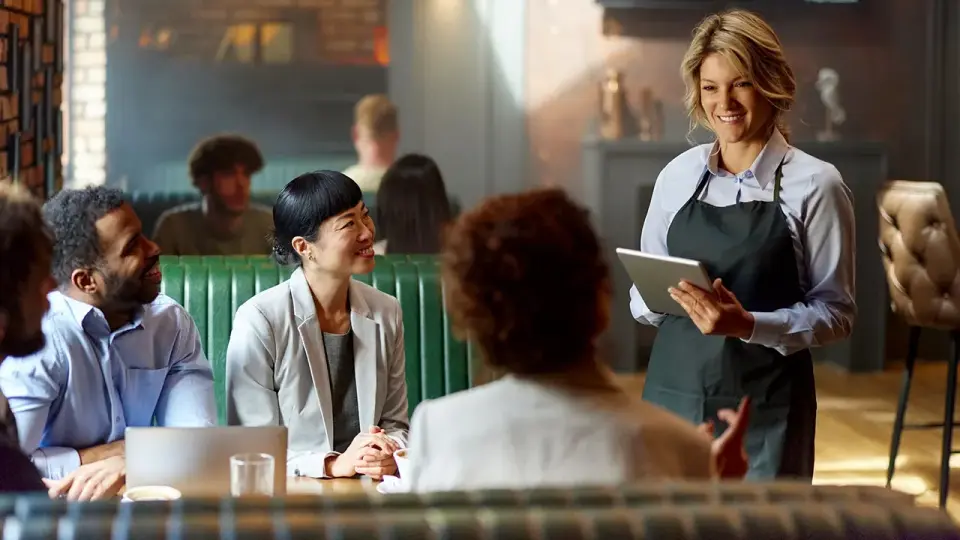
Mel Robbins revealed that her former boss taught her to prioritize women at a table to secure better tips, arguing they often influence the payer's decision. While hospitality experts acknowledge women may sway tipping decisions, they criticize the strategy as poor service, emphasizing that servers should attend to all guests equally. Research supports the idea that interpersonal interactions, such as compliments, can increase gratuities, but etiquette specialists insist the person paying the bill should ultimately determine the tip without debate.
Key points
- Mel Robbins stated that her mentor at the Red Rooster Tavern in Michigan advised her to focus on women to improve tips, as they often tell partners to leave more money for good service.
- Robbins claimed she learned to 'ignore the men' and take care of the women to influence the gratuity, a tactic she shared with The Wall Street Journal.
- Robert Mahon of Mahon Hospitality Group agreed that women often have the final judgment on service when a man pays, but called ignoring men 'bad hospitality' and advised servers to read the whole table.
- Lisa Burdette of the Dallas School of Etiquette noted that while women may influence tips, servers must not slight any customer, and etiquette dictates the person paying the check decides the gratuity.
- A 2010 study by John S. Seiter and Harry Weger Jr. found that servers who complimented diners on their food selections received significantly higher tips, suggesting small interpersonal interactions impact gratuities.
Background
This discussion follows broader conversations about gender dynamics in social settings and etiquette, such as recent coverage of women sharing medical experiences and dating advice for older women. It also aligns with ongoing debates about tipping culture and service charges in the hospitality industry.
Why it matters
The debate highlights the tension between strategic service tactics and universal hospitality standards. While understanding social dynamics can influence financial outcomes for servers, experts warn that favoring one gender over another risks alienating customers and violating basic etiquette. The issue also touches on the psychological factors behind tipping, suggesting that personalized attention and positive interactions can significantly impact gratuities, regardless of gender.
What to watch
Restaurants and hospitality groups may continue to train servers on reading group dynamics without showing favoritism. Etiquette experts are likely to reinforce the principle that the person paying the bill should determine the tip, discouraging any strategy that ignores part of the table. Further research may explore how interpersonal interactions, such as compliments, influence tipping behavior across different demographics.
Want the full story? Read the original reporting
Read on Fox News