
UPS Restructures to Prioritize Global Logistics Over Domestic Parcel Delivery
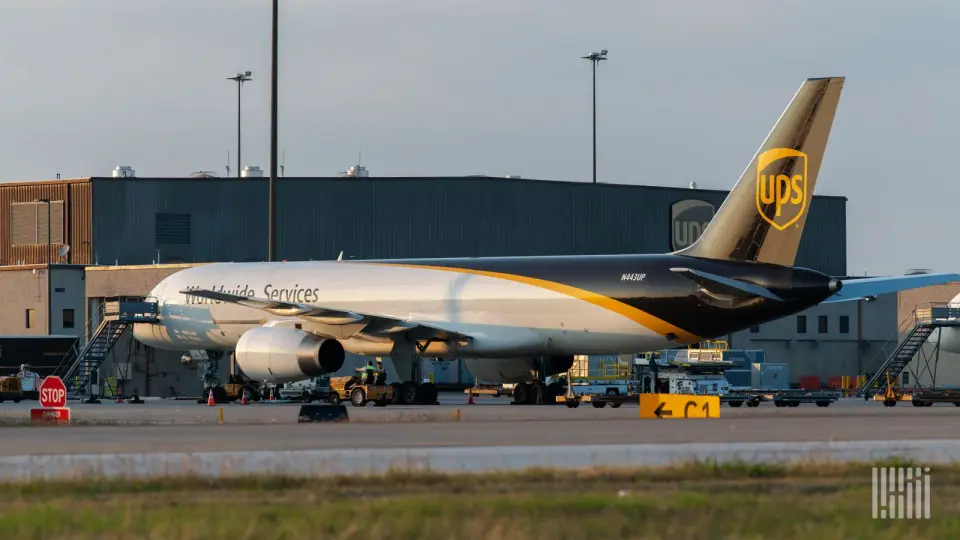
UPS has adopted a new global operating model effective September 1, 2026, shifting its strategic focus from small parcel delivery to integrated logistics. The reorganization elevates Nando Cesarone to Chief Global Operations Officer and appoints Matt Guffey as Chief U.S. Domestic Officer. This move follows the completion of a major downsizing of low-margin Amazon business and domestic network cuts, aiming to standardize processes globally while maintaining local flexibility to drive profit growth in high-value sectors like healthcare and automotive.
Key points
- UPS is transitioning from a traditional small package carrier to an integrated logistics provider, standardizing operational processes across geographies while allowing local market flexibility.
- Nando Cesarone, previously president of U.S. operations, has been appointed Executive Vice President and Chief Global Operations Officer, overseeing the global air network, surface transportation, and sustainability functions.
- Matt Guffey, formerly chief commercial and strategy officer, is now Chief U.S. Domestic Officer, responsible for small package, Roadie, Happy Returns, and other domestic businesses.
- Kate Gutmann, who led international and healthcare logistics for 37 years, is retiring for personal reasons; she will serve as a strategic advisor until March 2027. Wilfredo Ramos will succeed her in the international role.
- A new position, Chief Global Commercial Strategy Officer, has been created to oversee global strategy, marketing, and pricing, with a search currently underway for the candidate.
Background
This restructuring follows a significant period of contraction for UPS, which eliminated 50% of its Amazon volume (approximately 2 million pieces per day) and closed 150 parcel sort centers, resulting in 30,000 job cuts by June 2026. The company has simultaneously invested over $2 billion in international and healthcare capabilities since 2024, including new hubs in the Philippines, Ontario, and Hong Kong. Recent quarterly results showed revenue growth of 12.5% in international segments, driven by the expanding healthcare logistics market, which is now a nearly $12 billion business for UPS.
How outlets are covering it
FreightWaves emphasizes the strategic pivot away from low-margin e-commerce parcel delivery toward high-value premium segments like healthcare and automotive, noting that UPS stock has remained flat year-to-date at $104.23, down from $169 in August 2023. The company’s official press release highlights the efficiency gains from standardizing global operations and praises the departing executive, Kate Gutmann, for navigating U.S. trade policy changes. The Loadstar covered the announcement but placed the full analysis behind a paywall, limiting detailed commentary on the operational implications. All sources agree that the Amazon volume glide-down and network reconfiguration were completed by June 2026, clearing the path for this new operating model.
Why it matters
The reorganization signals a definitive end to UPS’s reliance on high-volume, low-margin parcel delivery, particularly from Amazon. By centralizing global operations under a single officer and separating domestic and international commercial strategies, UPS aims to improve margins and agility. This shift is critical as e-commerce growth normalizes and competition from low-cost carriers intensifies. The focus on healthcare and supply chain solutions aligns with broader industry trends, where logistics providers are increasingly competing on specialized, high-value services rather than sheer volume. The success of this model will determine UPS’s ability to sustain profitability in a market where traditional parcel volumes have stagnated.
What to watch
UPS will begin implementing the new operating model on September 1, 2026. The company is actively searching for a candidate to fill the new Chief Global Commercial Strategy Officer role. Kate Gutmann will continue as a strategic advisor until March 2027. Investors will watch for the impact of these changes on quarterly earnings, particularly in the international and healthcare segments, as the company aims to achieve its full-year guidance of $91.2 billion in revenue. The stock price may react to the execution of these efficiency measures and the growth of high-margin logistics services.
- UPS reorganization prioritizes global logistics over parcel delivery FreightWaves
- UPS Rejiggers Operating Model, Names Chief Global Operations Officer WSJ
- UPS Announces Executive Leadership Changes and New Global Operating Model Effective September 1, 2026 UPS
- United Parcel Service (UPS) Names New Leaders As Kate Gutmann Retires simplywall.st
- UPS announces exec leadership changes and new global operating model The Loadstar
Want the full story? Read the original reporting
Read on FreightWaves