
AI Regulatory Fears Trigger Historic Asia Market Crash After US Midterms
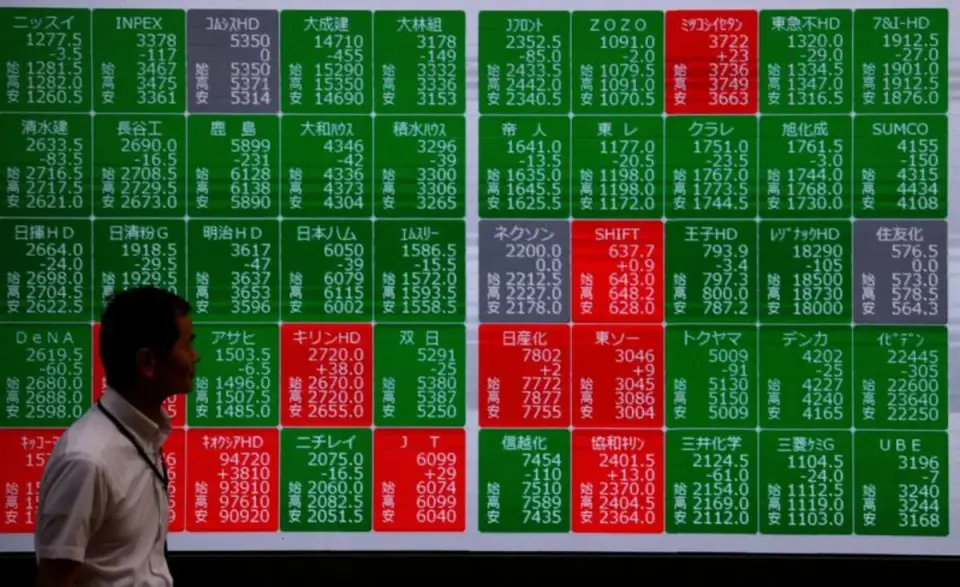
Asian tech-heavy markets suffered a severe sell-off on November 6, 2026, following a sharp decline in US equities. South Korea's KOSPI dropped over 8%, triggering a 20-minute trading halt, while Japan's Nikkei fell 5%. The crash was driven by fears that the newly elected US Democratic majority would impose stricter regulations on artificial intelligence. The Nasdaq lost 5.5%, wiping $3 trillion from S&P 500 valuations, marking the steepest US drop since the 'Liberation Day' rout. Investors are concerned about the return on massive AI investments and potential local opposition to data center construction.
Key points
- South Korea's KOSPI index plunged more than 8%, forcing a 20-minute circuit breaker halt, while Japan's Nikkei index declined by 5%.
- The US Nasdaq fell 5.5%, and the S&P 500 lost $3 trillion in market value, representing the largest single-day drop since the tariff-triggered crash 18 months ago.
- The Philadelphia Semiconductor Index slumped 12.2% overnight, reflecting intense pressure on chipmakers and data center equipment suppliers in Asia.
- The sell-off was triggered by fears that the US Democratic majority, which won the midterm elections this week, would increase regulatory scrutiny of the AI sector.
- Investors are also factoring in growing local opposition to data center construction and concerns regarding the return on investment for massive AI spending.
Background
This sharp reversal follows a period of volatility in late October. On October 28, Asian markets had rallied on AI optimism, with South Korea's KOSPI jumping 6.6% on strong chipmaker earnings. However, concerns about AI spending sustainability had already emerged in October, with tech stocks rebounding after sell-offs and Asian chipmakers falling due to doubts about the durability of AI investment. The current crash represents a significant shift from the brief optimism seen in late October to a deepening fear of regulatory and economic headwinds.
Why it matters
The crash signals a potential turning point in the AI investment cycle, moving from speculative growth to a focus on regulatory risk and return on investment. The steep decline in semiconductor and memory stocks could have ripple effects across global supply chains and technology infrastructure. Additionally, the move of capital into bonds and haven currencies like the yen and Swiss franc indicates a broader risk-off sentiment that may persist if regulatory fears materialize.
What to watch
Analysts expect further declines in semiconductor and memory stocks, with some predicting an 'ugly day' for these sectors. Bond markets may continue to rally as investors seek safety. The market will likely monitor any immediate policy signals from the new US Democratic leadership regarding AI regulation and data center approvals. Traders are also watching for signs of whether the current sentiment shift is a temporary correction or the start of a longer downturn in AI-related assets.
Want the full story? Read the original reporting
Read on Yahoo Finance