
AI Sector Collapse Drives VIX to Four-Month High, Prompting Heavy Hedge Buying
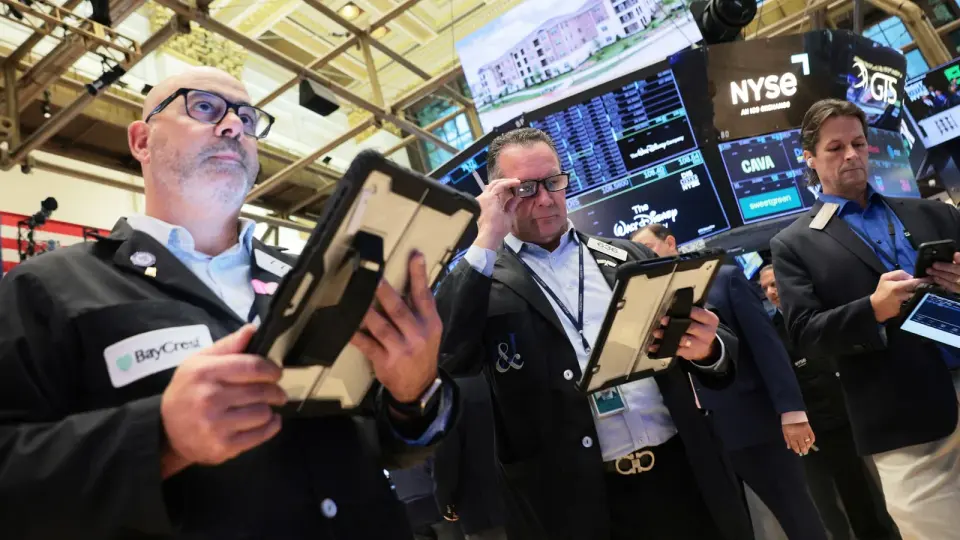
The Cboe Volatility Index (VIX) surged above 22 on October 17, 2026, marking its highest level in four months. This spike followed a 2% drop in the Nasdaq, driven by a 13% decline in CoreWeave shares and broader fears regarding AI infrastructure. Traders aggressively purchased November VIX call options, with nearly 36% of daily VIX option premium concentrated in nine specific contracts. While the S&P 500 fell 2% for the week, analysts suggest the volatility spike may be temporary, with the VIX potentially falling sharply on Monday. Key earnings from Tesla, SpaceX, and Meta are expected next week, which could further influence market stability.
Key points
- The VIX closed at 23.25 on Friday, October 17, 2026, rising nearly five points during the session.
- The Nasdaq fell 2%, its worst day since June 5, 2026, while the Nasdaq 100 dropped 5.5% for the week.
- CoreWeave shares fell 13%, triggering a sell-off in AI-related stocks and neo-cloud providers.
- Traders bought 9,200 November 18, 20-strike VIX calls for $1.7 million and 12,500 23-strike calls for $1.1 million.
- The S&P 500 finished the week down 2%, with support levels identified around 7,550 and 7,300.
- One-month implied correlation rose but remains near 10, suggesting limited immediate spread in volatility across assets.
Background
This volatility spike follows a period of relative market resilience in late September, when the S&P 500 and Nasdaq rose despite record bond yields and a Microsoft-led rally. Earlier in October, concerns over AI safety and regulatory oversight had emerged, but the current sell-off is driven primarily by financial performance and infrastructure costs in the AI sector. The previous week saw the VIX at relatively low levels, leading analysts to predict a rise, which materialized on October 17.
How outlets are covering it
CNBC emphasizes the aggressive options buying, noting that nine of the top ten most popular VIX contracts were calls, with nearly $27 million in premium traded. Brent Kochuba of SpotGamma interprets this as traders monetizing October positions and hedging against a larger downturn. In contrast, Mott Capital Management suggests the spike may have gone too far, predicting a sharp drop in the VIX on Monday and a potential market rally. Michael Kramer notes that while the S&P 500 chart resembles a rising wedge, support is firm, and net gamma exposure is supportive. Seeking Alpha’s coverage is largely obscured by platform metadata, but the title suggests a similar view that the volatility spike may be an overreaction. The outlets differ on whether the current volatility signals a sustained downturn or a temporary correction.
Why it matters
The VIX spike signals heightened market uncertainty and risk aversion, particularly in the AI sector, which has been a major driver of recent market gains. Heavy options buying indicates that institutional investors are preparing for further volatility, potentially impacting broader market stability. The upcoming earnings from major tech companies will be critical in determining whether the current sell-off is a temporary correction or the start of a broader market decline. Investors should monitor VIX levels and AI stock performance closely in the coming week.
What to watch
The market will test support levels around 7,550 and 7,300 for the S&P 500. The VIX is expected to fall sharply on Monday, potentially leading to a market rally. Earnings from Tesla, SpaceX, and Meta will be key catalysts for further volatility. Analysts will watch one-month implied correlation, which is currently near 10, for signs of broader market stress. If the VIX remains elevated through November, it could indicate a sustained downturn in AI-related stocks and broader market weakness.
- Wall Street's fear gauge is ripping. Traders see it going even higher CNBC
- Wall Street’s Fear Gauge Flashes Red as Stocks Tumble, Oil Surges, and Tech Reels Barron's
- Friday's Market Volatility Spike May Have Gone Too Far (SPX) Seeking Alpha
- VVIX Index(.VVIX) Stock Price Today | Quotes & News Moomoo
- Stocks Plunge as Implied Volatility and the VIX Spikes Mott Capital Management
Want the full story? Read the original reporting
Read on CNBC