
Citadel's July Surge to 12% Driven by Discounted Situational Awareness Assets
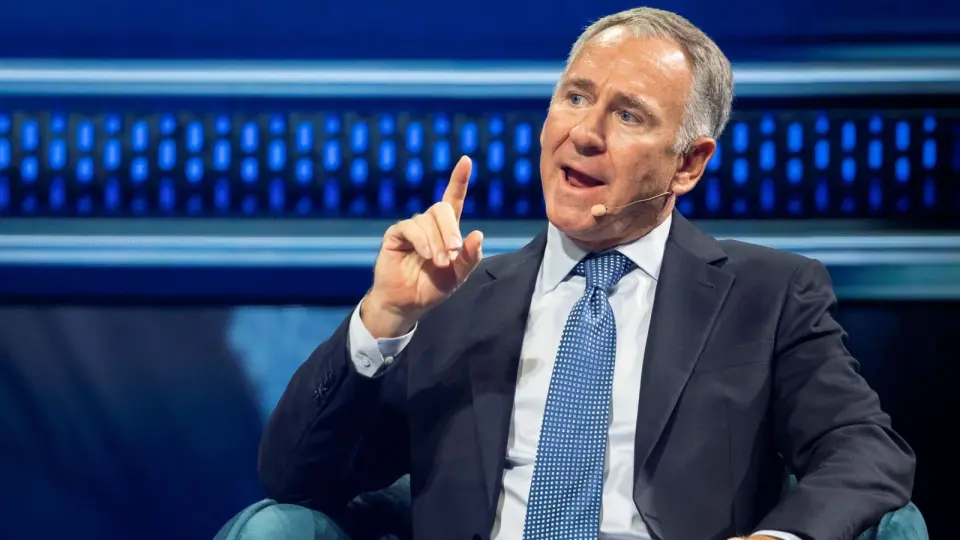
Ken Griffin's Citadel achieved its best monthly performance since 2022 in July, with its flagship Wellington fund returning 5.9% and pushing 2026 gains to 12%. This surge followed the acquisition of a significant portion of the public stock portfolio from the collapsing Situational Awareness hedge fund. Citadel purchased these assets at a substantial discount during a forced liquidation, positioning the firm to profit as AI-related equities rebounded in late July. The firm's tactical and equities funds also recorded their best monthly results ever, driven by similar recovery trends in risk assets.
Key points
- Citadel's Wellington fund returned 5.9% in July, its best monthly performance since 2022, bringing its 2026 total return to 12%.
- The tactical fund gained 11.1% in July, reaching a 27% year-to-date return, while the equities fund rose 14.2% in the month, also hitting a 27% annual gain.
- Citadel acquired the bulk of Situational Awareness's public stock portfolio at a significant discount following the latter's rapid collapse due to margin calls and forced sales.
- The acquisition allowed Citadel to benefit from a late-July rebound in AI infrastructure stocks, including Nebius and Micron, which had previously suffered steep losses.
- As of July 1, Citadel managed approximately $71 billion in assets, leveraging market dislocations to deploy capital into distressed positions.
Background
This development follows the rapid unraveling of Situational Awareness, founded by former OpenAI researcher Leopold Aschenbrenner. The fund faced severe losses after its strategy of long AI infrastructure and short software positions backfired, leading to a 67% portfolio drop in July. Citadel's intervention, described in earlier reports as a less-than-24-hour transaction, helped stem a broader AI-stock selloff and marked a significant shift in the AI equity landscape.
Why it matters
Citadel's success highlights the strategic advantage of acquiring distressed assets during market stress. By purchasing Situational Awareness's portfolio at a discount, Citadel not only capitalized on a rebound in AI stocks but also demonstrated its ability to exploit forced liquidations. This move underscores the firm's role as a stabilizer in volatile markets and its capacity to generate outsized returns through opportunistic capital deployment.
What to watch
Investors will monitor whether Citadel can sustain its 2026 gains as AI stock volatility continues. The long-term performance of the acquired Situational Awareness positions will be a key indicator of the success of this distressed-asset strategy. Additionally, the broader market may watch for similar forced liquidation events that could present further opportunities for large hedge funds.
- Ken Griffin's Citadel posts best month in years after scooping up Situational Awareness stocks CNBC
- Citadel’s Purchase of Situational’s Stocks at Discount Is Already Paying Off WSJ
- Investors in Situational Awareness deserved to lose their shirts The Economist
- Inside the Meltdown of a Wunderkind’s A.I. Hedge Fund The New York Times
- Situational Awareness Not Target of Predatory Shorts, S3 Says Bloomberg.com
Want the full story? Read the original reporting
Read on CNBC