
Copper Plunge and Shanghai Squeeze Signal Deepening US Economic Concerns
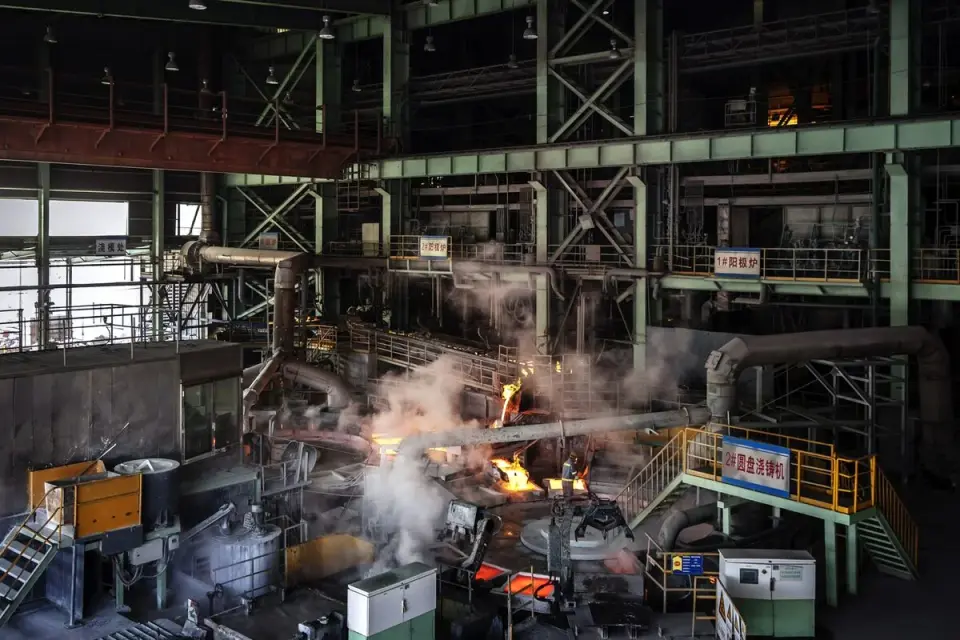
Copper prices have dropped 17% from their September peak, hitting a decade-low weekly performance. This sharp decline, alongside a supply squeeze on the Shanghai Futures Exchange, is being interpreted by several economists as a warning sign for the US economy, potentially indicating a shift toward recession.
Key points
- Copper prices fell to approximately $5.48 per pound on Friday, down 17% from the September high of $6.89 per pound.
- The Shanghai Futures Exchange experienced a historic supply squeeze, with near-empty inventories causing spreads to spike and prompting officials to urge traders to reduce positions.
- The Bloomberg Industrials Metals Index, which is heavily weighted toward copper, has formed a 'death cross,' a technical signal often associated with economic downturns.
- US industrial production cooled in October, and fourth-quarter GDP growth expectations have slowed to 3.2% from 3.4% in the third quarter.
- Economists note that copper demand is closely tied to construction and manufacturing, making its price a leading indicator for broader economic activity.
Background
This volatility follows a broader metals market turmoil. In late October and early November, gold and silver experienced historic sell-offs due to liquidity squeezes and a strong dollar. Additionally, fears regarding AI data center construction and potential legislative restrictions contributed to a significant market correction in early November, erasing trillions in market value.
How outlets are covering it
Bloomberg highlights the immediate market mechanics, focusing on the bearish mood at the Cesco Asia Copper Week and the specific supply squeeze on the Shanghai Futures Exchange that forced traders to cut positions. Business Insider frames the price drop as a macroeconomic warning, citing economists like David Rosenberg and Henrik Zeberg who link the copper decline to cooling industrial activity and potential recession risks. While Bloomberg emphasizes the technical volatility and inventory issues, Business Insider focuses on the broader implications for US growth and labor market stability.
Why it matters
Copper is widely regarded as a bellwether for industrial activity. A sharp decline in its price often precedes economic slowdowns, as it reflects reduced demand from construction and manufacturing sectors. The current sell-off, combined with technical signals like the death cross in the metals index, suggests that industrial momentum is weakening, which could impact broader economic growth and corporate earnings.
What to watch
Market participants will likely monitor US industrial production data and labor market revisions for further confirmation of economic cooling. The behavior of copper prices in the coming weeks will be critical in determining whether the current decline signals a temporary correction or the onset of a broader recession. Traders may continue to adjust positions in response to inventory levels on the Shanghai Futures Exchange and broader macroeconomic indicators.
- From Squeezes to Meltdown, a Week of Mayhem Rocks Metals Markets Bloomberg.com
- Copper Prices Are Plunging and Sending a Warning for the US Economy Business Insider
- Copper at Lowest Since April Amid AI Market Turmoil, Chinese Demand Concerns WSJ
- COMMENTARY: Funds dump copper but Shanghai has run out of metal Reuters
- Copper Prices Are Falling. Memo to the Fed: Inflation Could Be Next. Barron's
Want the full story? Read the original reporting
Read on Bloomberg.com