
US Futures Stabilize as Tech Slump Fades and Middle East Risks Loom
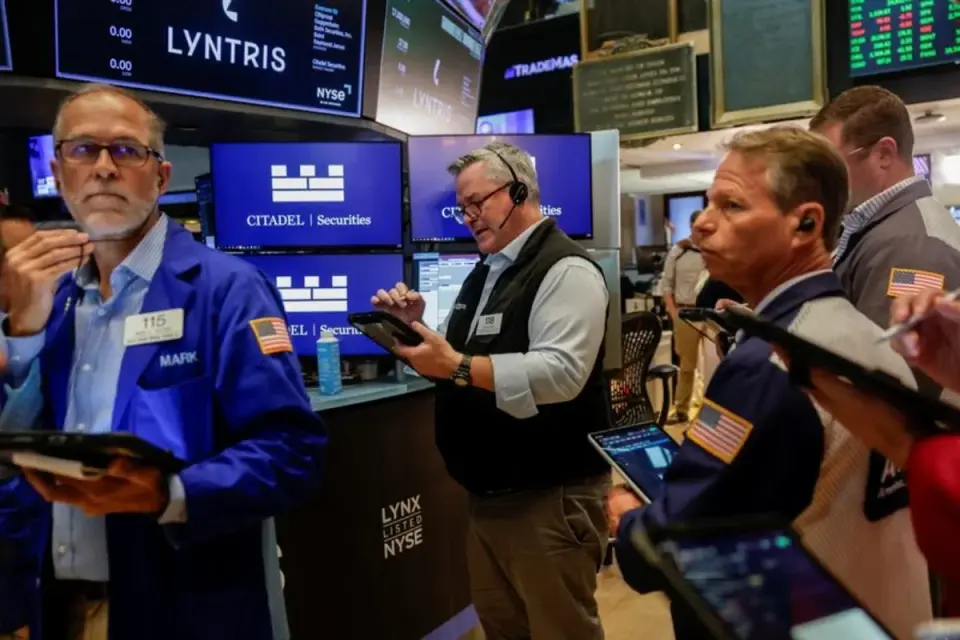
US stock futures have stabilized following a recent slump in the technology sector, with investor attention shifting toward geopolitical risks in the Middle East. While specific market data is obscured by technical errors in the source, the headline indicates a pause in volatility as traders assess global tensions.
Key points
- US stock futures are currently steady after a period of decline in tech stocks.
- Investors are focusing on rising tensions in the Middle East as a primary market driver.
- The technology sector has experienced a recent slump, influencing broader market sentiment.
Background
Recent archive entries show a pattern of market sensitivity to geopolitical events and tech performance. In August 2026, futures moved lower due to Middle East tensions and rising oil prices, while tech and semiconductor stocks were key focus areas. Earlier in July, markets reacted to Federal Reserve decisions and inflation data, with tech earnings playing a significant role in market direction. The current stabilization suggests a temporary pause in the volatility seen during previous geopolitical and tech-driven swings.
Why it matters
The stabilization of US stock futures after a tech slump indicates a potential shift in market drivers from sector-specific concerns to broader geopolitical risks. Middle East tensions can impact energy prices and global supply chains, which in turn affect corporate earnings and investor confidence. This shift highlights the interconnectedness of global markets and the importance of monitoring geopolitical developments alongside sector performance.
What to watch
Investors will likely continue to monitor Middle East developments for any escalation that could impact oil prices and global trade. Additionally, the performance of the tech sector will be watched to see if the recent slump continues or if there is a rebound. Future market movements may depend on how these geopolitical and sector-specific factors interact, potentially leading to further volatility or stabilization.
Want the full story? Read the original reporting
Read on finance.yahoo.com