
Gold Hits Seven-Week High as Weak Jobs Data and Hormuz Deal Hopes Ease Rate Hike Fears
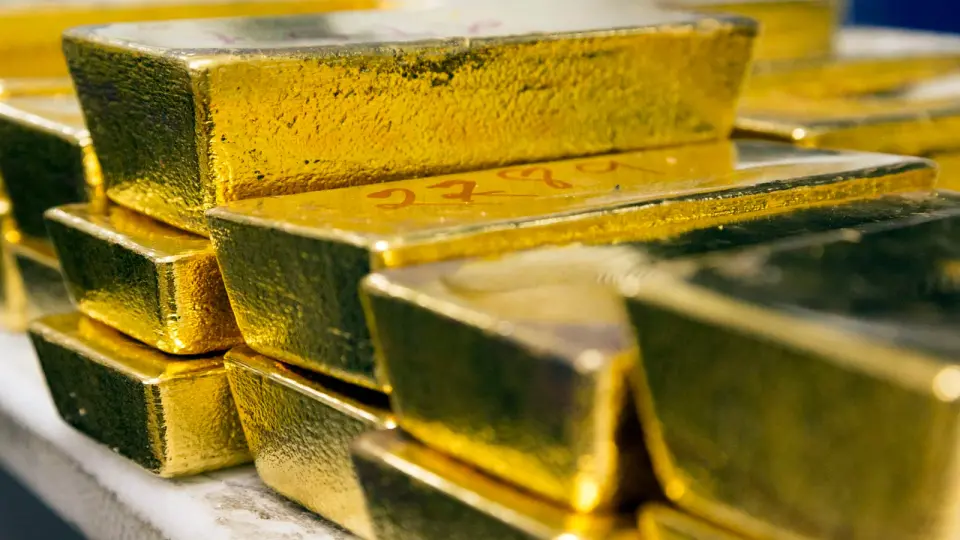
Gold prices surged to a seven-week high, reaching approximately $4,268 per ounce, driven by weaker-than-expected U.S. private payrolls and optimism regarding a potential deal to reopen the Strait of Hormuz. The soft labor data reduced expectations for a Federal Reserve interest rate hike in September, while a coordinated U.S.-Japan intervention in the yen weakened the dollar. Although gold remains 20% below its January peak, the metal entered its fourth consecutive winning session as geopolitical tensions eased and Treasury yields declined.
Key points
- Spot gold rose to a seven-week high, settling around $4,268 per ounce after peaking at $4,295, marking its fourth consecutive winning session.
- ADP reported July private payrolls rose by only 44,000, well below the 75,000 consensus, reducing the likelihood of a Federal Reserve rate hike in September.
- The U.S. dollar index fell to six-week lows near 99.78 following a joint U.S.-Japan intervention that involved selling approximately $60 billion in Treasuries to support the yen.
- Iran and Oman agreed on coordinates for a shipping route to reopen the Strait of Hormuz, easing oil inflation fears and supporting risk assets, though political obstacles remain.
- Gold futures traded at $4,329 per ounce, but the metal remains over 20% below its late January all-time high of $5,589 per ounce.
Background
Gold has experienced a volatile six months since its all-time high in late January 2026, trading inversely to oil prices and the U.S. dollar during periods of conflict. Previous coverage noted that gold had already topped $4,200 earlier in the week on similar ADP data, while broader geopolitical tensions, including regional conflicts in the Middle East, had previously pressured prices. The current rally represents a partial recovery from the significant decline seen since the start of the year.
How outlets are covering it
CNBC emphasizes the direct link between the weak ADP report and reduced expectations for a Federal Reserve rate hike, highlighting the dollar's weakness as a key driver. Yahoo Finance focuses on the holding pattern of gold prices and the uncertainty surrounding the direct U.S.-Iran negotiations for the Hormuz deal, noting that while signals are positive, the extent of direct engagement is unclear. Kitco provides a more technical and macroeconomic view, noting that while the labor data cooled aggressive hike pricing, firm services activity and price components kept the market from fully abandoning the inflation-risk narrative. Kitco also highlights the mixed impact of the yen intervention, noting it supports gold mechanically but raises questions about broader dollar system liquidity.
Why it matters
The movement in gold prices serves as a critical indicator of global risk sentiment and monetary policy expectations. A sustained rise in gold, driven by weaker labor data and geopolitical de-escalation, suggests that investors are pricing in a pause or reversal of the Federal Reserve's tightening cycle. This has broader implications for bond yields, currency stability, and equity markets, as seen in the mixed performance of North American and European indices. The potential reopening of the Strait of Hormuz could significantly impact global energy prices and inflation trajectories, making gold's performance a key barometer for future economic stability.
What to watch
Investors will closely monitor the official July employment report due on Friday, which will provide further clarity on the labor market's health and the Federal Reserve's likely policy path. Progress in the Strait of Hormuz negotiations, particularly regarding Iran's demands for relief from the U.S. naval blockade, will determine whether the current geopolitical relief translates into a sustained price increase or a temporary spike. Technical analysts are watching for gold to break above the $4,250 resistance level, with a sustained move targeting the $4,360 to $4,380 zone, while a break below $4,180 could signal a reversal.
- Gold price hits highest level since June on weak payrolls data and Hormuz deal hopes CNBC
- Gold Is Waking Up to the Warsh Fed Bloomberg.com
- Gold prices today, Wednesday, August 5, 2026: Gold prices are holding, awaiting news on Hormuz deal Yahoo Finance
- Gold, silver prices surge highs as yields ease, Hormuz hopes cap oil inflation fears - Kitco PM Report KITCO
- Morning Bid: Gold stirs Reuters
Want the full story? Read the original reporting
Read on CNBC