
Gold Crashes to One-Year Low Below $3,900 as Tech Rout and Oil Spike Fuel Inflation Fears
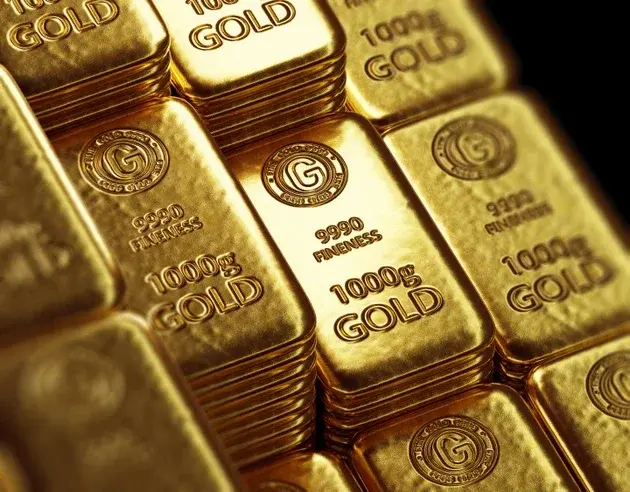
Gold and silver prices plummeted to their lowest levels in over a year on October 30, 2026, driven by a sharp technology sector selloff, rising oil prices from Middle East tensions, and persistent inflation data. Spot gold fell 3.6% to $3,875.55, while silver dropped below $50 per ounce. The decline was exacerbated by expectations of further Federal Reserve rate hikes and forced liquidations from equity markets.
Key points
- Spot gold closed at $3,875.55, down 3.6%, marking its lowest level in over a year; gold futures settled at $3,884.90.
- Silver fell below $50 per ounce for the first time since November 2025, with futures dropping 6.2% to $49.14.
- A sharp selloff in technology stocks, including a 13.3% drop in Alphabet shares, triggered margin calls and forced selling in precious metals.
- Brent crude oil rose to $113.49 per barrel after a tanker attack in the Strait of Hormuz, raising inflation concerns.
- The Federal Reserve maintained rates at 3.75%-4.00% but signaled potential further hikes due to strong GDP growth (3.4%) and rising core inflation (3.1%).
Background
This follows a week of volatility where gold had already slipped below $4,000 on October 29 amid strong U.S. economic data and geopolitical tensions. Earlier archive coverage noted that gold failed to act as a safe haven due to hawkish central bank policies and equity market liquidations, with analysts debating whether the current correction signals a bull market capitulation or a temporary pause.
How outlets are covering it
Seeking Alpha and Investing.com emphasize the role of the tech selloff and margin calls in driving precious metals lower, noting that gold failed to attract safe-haven demand despite equity weakness. Kitco highlights the impact of strong U.S. GDP and inflation data on Federal Reserve tightening expectations, while Yahoo Finance focuses on geopolitical risks in the Strait of Hormuz and potential U.S. military escalation. All sources agree that rising oil prices and inflation concerns are key drivers, but they differ in emphasis: some view the decline as a temporary correction, while others see it as a sign of broader market stress.
Why it matters
The crash in gold and silver prices signals a shift in market dynamics where traditional safe-haven assets are being sold off due to liquidity needs and inflation fears. This could impact global investment strategies, as investors may need to reassess their allocations to precious metals and other defensive assets. The situation also highlights the interconnectedness of energy markets, inflation, and monetary policy, with potential implications for global economic stability and central bank decisions.
What to watch
Investors will closely watch Federal Reserve communications for clues on future rate decisions, particularly ahead of the December meeting. Geopolitical developments in the Middle East, including diplomatic efforts between the U.S. and Iran, will also influence oil prices and inflation expectations. Additionally, the performance of technology stocks and broader equity markets will determine whether the current liquidation pressure eases or intensifies.
- Gold sinks to one-year low, silver slips below $50 on inflation concerns, tech selloff Seeking Alpha
- Tech rout drives gold to one-year low, white metals sink deep into oversold zone Reuters
- Gold price today, Friday, October 30, 2026: Gold slips below $4,000 as Mid-East concerns mount Yahoo Finance
- Gold, silver fall as strong U.S. GDP, inflation support Fed tightening bets - Kitco PM Report Kitco
- Gold slides in October, spot prices dip under $4k, hit their lowest in over a year Investing.com
Want the full story? Read the original reporting
Read on Seeking Alpha