
Gold Slides to 8-Month Low as Hawkish Fed and AI Selloff Drive 9% Weekly Drop
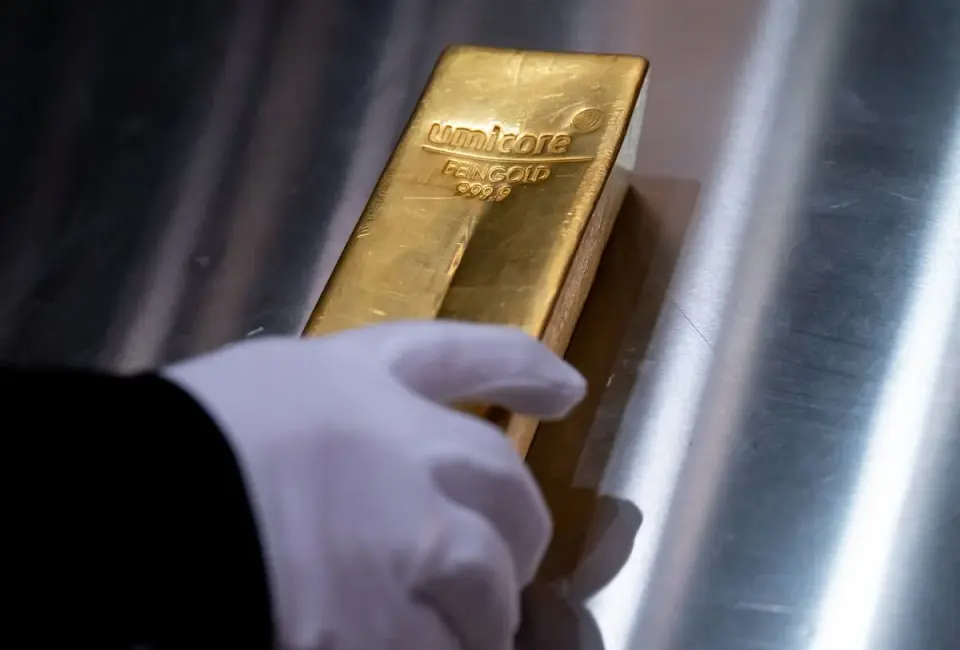
Gold prices are on track for their worst weekly performance since March, falling nearly 9% to trade below $3,515 an ounce. The decline is driven by hawkish signals from the Federal Reserve, which has indicated potential interest rate hikes to combat inflation, and a broader sell-off in AI stocks that forced investors to liquidate assets. Silver has dropped approximately 14% in the same period. The metal is currently trading 35% below its 52-week high, reflecting a shift in investor sentiment away from non-yielding assets as Treasury yields rise and the US dollar strengthens.
Key points
- Gold fell for a fifth consecutive day, heading for its largest weekly decline since March, with spot prices dropping below $3,515 per ounce on Friday.
- Federal Reserve officials, including Chicago Fed President Austan Goolsbee and Governor Christopher Waller, have signaled that further interest rate hikes may be necessary to address stubborn inflation, with Waller suggesting a 50-basis point increase could be required.
- A sharp sell-off in AI stocks prompted investors to sell gold to cover losses, as the metal shifted from being viewed as a safe haven to a source of liquidity.
- Silver prices fell approximately 14% in the same week, hitting their lowest level in over a year, as investors unwound crowded positions and took profits ahead of year-end.
- The US dollar reached a 19-month high, and Treasury yields rose, increasing the opportunity cost of holding non-yielding assets like gold compared to cash and bonds.
- Gold is currently trading 35% below its 52-week high of $5,518.21, having fallen from a record high of $5,589.38 in January 2026.
Background
Gold experienced a significant rally in 2025, hitting record highs 53 times and reaching a peak of $5,589.38 per ounce in January 2026. This surge was driven by strong physical demand, lower interest rates, and a weakening dollar. However, the recent decline marks a sharp reversal, with prices falling to their lowest levels since September 2025. The current drop follows a period where gold ETFs saw record inflows, with net holdings passing 4,000 tons by the end of 2025. The recent sell-off contrasts with the previous year's trend, where investors were adding to their gold positions, and highlights the metal's sensitivity to shifts in monetary policy and market liquidity.
How outlets are covering it
Bloomberg emphasizes the impact of the hawkish Federal Reserve and the AI stock sell-off on gold prices, noting that the metal is on track for its worst weekly decline since March. CNBC provides a broader analysis, explaining that gold's role has shifted from a portfolio safe haven to a liquidity provider, with investors selling it to raise cash. CNBC also highlights the opportunity cost of holding gold in a high-interest-rate environment, where cash and bonds offer better returns. USA Today provides specific price data, noting that gold is trading 35% below its 52-week high and has fallen 12.07% over the past 12 months. WSJ focuses on the impact of elevated Treasury yields and a strong dollar, noting that weak gold ETF flows have added to the subdued investment backdrop. The sources generally agree on the drivers of the decline but differ in their emphasis, with Bloomberg and WSJ focusing on the Fed and market conditions, while CNBC provides a more detailed analysis of investor behavior and the metal's changing role in portfolios.
Why it matters
The sharp decline in gold prices reflects a broader shift in investor sentiment and monetary policy expectations. The hawkish stance of the Federal Reserve, with potential interest rate hikes, has increased the opportunity cost of holding non-yielding assets like gold. The AI stock sell-off has also forced investors to liquidate assets, including gold, to cover losses. This decline has significant implications for investors, as it highlights the risks of holding gold in a high-interest-rate environment and the importance of diversification. The drop in gold prices also affects other commodities, such as silver, and could have broader implications for global markets and economic stability.
What to watch
Investors will be watching for upcoming US economic data, which could shape expectations for the Federal Reserve's December rate decision. A rate hike could further lift yields and weigh on gold prices. Analysts suggest that gold prices may continue to decline in the short term, with some predicting a move to $3,500 to $3,600. However, long-term investors may still see value in gold as a hedge, particularly if geopolitical tensions or economic uncertainty increases. The future of gold prices will depend on the Federal Reserve's monetary policy, the strength of the US dollar, and the performance of other asset classes, such as stocks and bonds.
- Gold Set for Worst Week Since March on Hawkish Fed, AI Selloff Bloomberg.com
- Gold's bad year is getting worse. Why its price keeps falling CNBC
- Gold Price Today on November 20, 2026 USA Today
- Gold slides toward worst week in eight months on hawkish Fed outlook Reuters
- Gold Falls, Weighed by Elevated Yields, Strong Dollar WSJ
Want the full story? Read the original reporting
Read on Bloomberg.com