
Markets Rebound as SpaceX Spectrum Deal Disrupts Telecoms and AI Skepticism Lingers
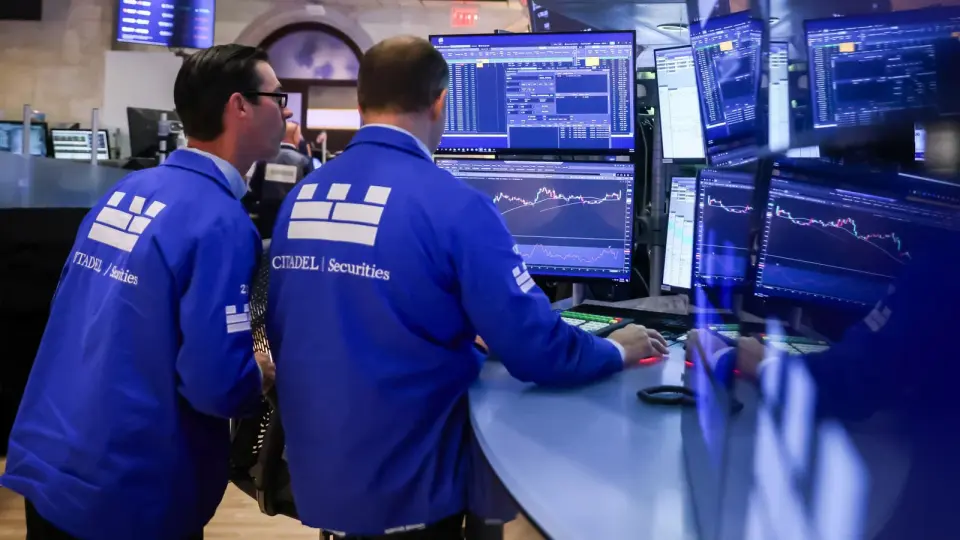
U.S. stocks rose Friday after a SpaceX spectrum acquisition hammered telecom rivals and a Russian diesel deal eased energy fears, though AI revenue doubts and high inflation kept sentiment fragile.
Key points
- The Dow Jones Industrial Average climbed 0.83% to 51,654.95, while the S&P 500 and Nasdaq Composite gained 0.59% and 0.64%, respectively, marking a broad market recovery.
- SpaceX agreed to purchase a nationwide 800 MHz spectrum portfolio from Grain Management, boosting its Starlink Mobile ambitions and causing Verizon shares to fall over 9%, their worst day since 2002.
- President Trump announced a deal with Vladimir Putin for Russia to supply millions of tons of diesel, aiming to offset global shortages caused by Ukrainian strikes on refineries and Middle East conflicts.
- Consumer sentiment dropped to 46.3 in the University of Michigan survey, its second-lowest on record, driven by rising inflation expectations and worsening debt payment abilities for U.S. families.
- OpenAI’s annualized revenue was reported to be approximately $20 billion lower than previously shared, fueling concerns about the profitability of the artificial intelligence boom and triggering a sell-off in tech stocks.
Background
This market volatility follows a week of mixed signals, including a previous day where the Dow rose while tech-heavy indices fell due to AI revenue concerns. The current tension between massive AI capital expenditures and public opposition to data centers is expected to become a defining issue in the November 2026 midterm elections. Additionally, recent corporate outlook cuts, such as those by Delta Air Lines and PepsiCo, highlight persistent inflationary pressures and consumer weakness.
How outlets are covering it
CNBC emphasized the immediate market impact of the SpaceX spectrum deal and the Russian diesel agreement, framing them as key drivers of the Friday rally. The New York Times focused more heavily on the structural doubts surrounding the AI industry, highlighting OpenAI’s revenue shortfall as a potential bubble warning. Yahoo Finance provided market data but did not offer distinct narrative perspectives, serving primarily as a data source for price movements.
Why it matters
The divergence between broad market gains and specific sector turmoil, particularly in telecoms and AI, signals a market in transition. The SpaceX move threatens incumbent telecom monopolies, while AI revenue doubts challenge the sustainability of the current tech spending boom. Simultaneously, rising inflation and consumer debt stress suggest that macroeconomic headwinds remain strong despite short-term geopolitical de-escalations.
What to watch
Investors will watch the November 3 midterm elections for political shifts regarding AI regulation and data center construction. The market will also monitor the actual delivery of Russian diesel to see if it stabilizes global fuel prices. Furthermore, the Federal Reserve’s stance on interest rates, with potential hikes unlikely before late 2027, will influence bond yields and consumer borrowing costs.
- Stock futures rise as tech shares rebound following sell-off: Live updates CNBC
- OpenAI's revenue scare, Delta earnings, what investors think of a Starbucks-Chipotle deal and more in Morning Squawk CNBC
- The Fallout From OpenAI’s Revenue Surprise The New York Times
- OpenAI Expects $70 Billion in Annualized Revenue by End of 2026 Yahoo Finance
- Micron, Nvidia and AI chip stocks fall as report on OpenAI’s revenue causes ‘undue concern’ MarketWatch
Want the full story? Read the original reporting
Read on CNBC