
Midterm Democratic Sweep Triggers Historic AI Trade Rout and Market Volatility
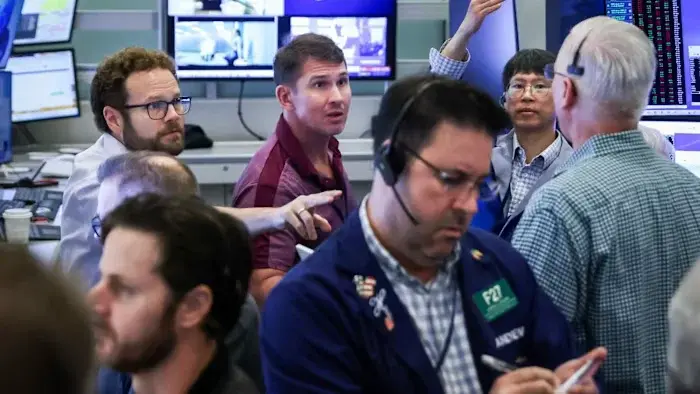
US markets experienced a dramatic reversal following the 2026 midterm elections. Initial optimism over a Democratic sweep in Congress triggered a sharp rally on Wednesday, with the Dow Jones Industrial Average surging over 1,500 points. However, by Thursday, investors panicked over potential regulatory threats to the artificial intelligence infrastructure boom, leading to a historic sell-off. The Nasdaq Composite entered correction territory, falling 5.5%, while the S&P 500 dropped 4.4%. The volatility spike was the most severe since the pandemic, driven by fears that new state and federal policies would restrict data center construction.
Key points
- Wednesday’s rally saw the Dow jump 3% and the S&P 500 rise 1.6% as markets welcomed a divided government that might limit executive power.
- Thursday’s reversal saw the Dow plunge over 1,800 points and the Nasdaq 100 lose more than $2.3 trillion in market value, its worst day since March 2020.
- The VIX volatility index spiked 70%, a move that has occurred only eight times since 1991, signaling extreme market stress.
- Hedge funds unwound positions at the fastest pace in over a decade, while retail investors engaged in their heaviest single-day selling since the pandemic.
- Oil prices crashed 21% from their peak, with Brent crude dropping to $93 per barrel, as investors anticipated a quicker end to the US-Iran conflict under Democratic leadership.
Background
This volatility follows a year of wild market swings. In late March, the VIX spiked when President Trump extended the deadline for the Iran war. Since then, the market has been highly sensitive to policy shifts, particularly regarding artificial intelligence. The current crisis is rooted in the AI investment boom, which had already seen hedge funds selling chip stocks for over a month to lock in profits. The midterm results introduced a new variable: potential regulatory hurdles for the physical infrastructure supporting AI.
How outlets are covering it
Outlets agree on the magnitude of the crash but differ on the primary drivers. Yahoo Finance emphasizes the 'whipsaw' nature of the week, noting that the initial rally was fueled by the removal of election uncertainty, which then triggered volatility-sensitive trading strategies. It highlights the specific threat to data centers, noting that states with new Democratic governors, like Texas, account for 45% of planned US data center capacity. Business Insider focuses on the breadth of the sell-off, describing it as a 'tantrum' where no sector was spared. It highlights the record-breaking nature of the selling, noting that the Nasdaq 100’s decline was the worst since the pandemic. Both sources agree that the shift was driven by a change in investor risk appetite rather than new fundamental data, as the election results remained constant between Wednesday and Thursday.
Why it matters
The event signals a potential structural shift in the AI investment cycle. If Democratic control of Congress leads to stricter regulations on data center construction or energy usage, the massive capital expenditure planned for AI infrastructure could be delayed or curtailed. This could impact the earnings of major chipmakers and cloud providers, potentially deflating the AI bubble that has driven market gains for years. The extreme volatility also suggests that future market stability may be tied to legislative outcomes regarding technology infrastructure.
What to watch
Investors will watch for immediate legislative actions from the new Democratic Congress regarding energy and data center permits. State-level policies, particularly in Texas and other states with high data center capacity, will be critical indicators of the regulatory environment. Market participants will also monitor whether the current sell-off in chip stocks continues or if a rebound occurs as the initial panic subsides. The trajectory of oil prices will also be watched, as lower energy costs could ease inflation concerns and potentially support broader market recovery.
- How Wall Street’s all-in bet on AI blew up Financial Times
- How midterm elections sent Wall Street from celebration to mayhem in just 24 hours / this week Yahoo Finance
- 4 stats show just how ugly things got for markets this week Business Insider
- Nasdaq, S&P 500 Suffer Biggest Market Cap Losses on Record WSJ
- Goldman Traders’ Phones Blow Up With Investors Seeking Answers to AI Rout Bloomberg.com
Want the full story? Read the original reporting
Read on Financial Times