
Oil Surge and Rate Hike Fears Drag US Stocks Lower After Labor Day
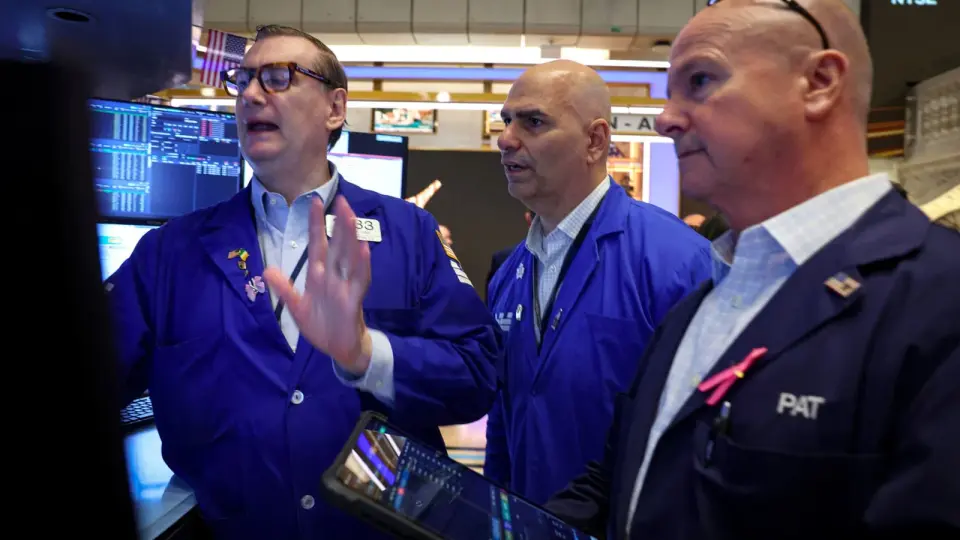
US stock indices fell on Tuesday, September 8, 2026, marking the first trading day of a holiday-shortened week. The Dow Jones Industrial Average dropped 1.2%, its worst performance in nearly three weeks, while the S&P 500 and Nasdaq Composite declined 0.6% and 0.3%, respectively. The sell-off was driven by a sharp rise in oil prices, with Brent crude futures exceeding $99 per barrel, and rising yields on 10-year US Treasuries that briefly topped 4.8%. These moves reflected heightened inflation concerns and increased bets that the Federal Reserve will raise interest rates at its September 16 meeting. The healthcare sector lagged significantly, dragged down by clinical trial setbacks from Novartis and a downgrade of Amgen. Conversely, Qualcomm rose 3.2% on a new AI infrastructure partnership with Amazon. After-hours trading saw mixed results, with ServiceTitan falling 19% on weak guidance and Mission Produce rising 7.5% on strong earnings.
Key points
- The Dow Jones Industrial Average closed at 52,787.53 points, down 1.2%, while the S&P 500 ended at 7,676.14 points, down 0.6%, and the Nasdaq Composite settled at 26,421.41 points, down 0.3%.
- Brent crude futures jumped above $99 per barrel in extended trading, and WTI crude rose above $94 per barrel, driven by reports of a second wave of Iranian attacks on US Navy ships and supply disruptions in the Middle East.
- The 10-year US Treasury yield briefly climbed above 4.8% as rising oil prices fueled inflation fears, increasing market expectations for a Federal Reserve rate hike at the September 16 meeting to approximately 60%.
- The healthcare sector fell 2.6%, led by a nearly 14% drop in Novartis shares following two clinical trial setbacks and a 10% decline in Amgen after a downgrade by BMO Capital.
- Qualcomm shares rose 3.2% after announcing a multi-generational collaboration with Amazon to build customized silicon and optical connectivity for AI data centers, including a warrant for Amazon to purchase up to 25 million Qualcomm shares.
- ServiceTitan shares tumbled 19% after hours due to current-quarter revenue guidance below analyst forecasts, while Mission Produce shares rose 7.5% after beating earnings and revenue expectations for its fiscal third quarter.
Background
This market movement follows a strong August jobs report showing 162,000 nonfarm payrolls added, nearly triple the expected 55,000, which reinforced fears of an overheating economy and prompted a hawkish tone from Fed Chair Kevin Warsh at the Jackson Hole symposium. The recent surge in oil prices is part of a broader escalation in Middle East tensions, including US strikes on Iranian oil carriers and Iranian retaliation in the Strait of Hormuz, which has reduced crude exports from the region by 39% since the conflict began in January. Prior to this week, chip stocks had experienced an 18% summer selloff, and the market had been recalibrating its monetary policy outlook in response to resilient labor data and stubborn inflation.
How outlets are covering it
CNBC emphasized the immediate impact of oil prices and the lack of major economic data or earnings releases for Wednesday, noting that the market's attention has shifted to risk factors. Investing.com highlighted the broader macroeconomic context, including the August jobs report, the hawkish stance of Fed Chair Kevin Warsh, and the political pressure from President Trump on the Federal Reserve, while also detailing the specific clinical trial setbacks at Novartis and the downgrade of Amgen. Newsquawk focused on the intraday sector performance, noting that healthcare was the clear laggard and energy was the notable gainer, and provided specific stock movements such as the downgrade of Peloton and the upgrade of Intel. All three sources agreed on the downward trend of major indices and the rise in oil prices, but differed in their emphasis on the specific drivers, with CNBC focusing on the immediate oil spike, Investing.com on the Fed rate hike bets, and Newsquawk on sector-specific performance.
Why it matters
The decline in US stocks and the surge in oil prices signal growing concerns about inflation and the potential for tighter monetary policy by the Federal Reserve. The escalation in Middle East tensions poses a risk to global energy supplies and could further drive up oil prices, exacerbating inflationary pressures. The weakness in the healthcare sector, driven by clinical trial setbacks, may indicate broader challenges in the pharmaceutical industry. The strong performance of Qualcomm on its AI partnership with Amazon suggests continued investor interest in AI infrastructure, despite the broader market decline. The upcoming PPI and CPI data releases will be crucial in determining the Federal Reserve's next move on interest rates and the direction of the market.
What to watch
Traders will closely monitor the August producer price index (PPI) and consumer price index (CPI) reports later in the week for signals on the Federal Reserve's potential interest rate decision on September 16. The market will also watch for any further developments in the Middle East conflict, particularly regarding oil supply disruptions and military actions. Corporate earnings reports, though sparse this week, will continue to influence sector-specific movements, as seen with the recent results from ServiceTitan, Casey's General Stores, and Mission Produce. The 10-year US Treasury yield and oil prices will remain key indicators of inflation expectations and market sentiment.
- Stock futures are little changed after losing session; Brent crude tops $99 per barrel: Live updates CNBC
- Stocks stumble after Labor Day. This year’s easy gains may be over. MarketWatch
- Wall Street falls on elevated Fed rate hike bets and oil prices, slump in health Investing.com
- S&P 500 Investors Brace for Brutal Holiday Pattern TradingView
- US EQUITY OPEN: US indices open in the red amid downbeat risk tone after Labor Day holiday Newsquawk
Want the full story? Read the original reporting
Read on CNBC