
Korean Chip Stocks Stage Record Rebound After AI-Fueled Volatility
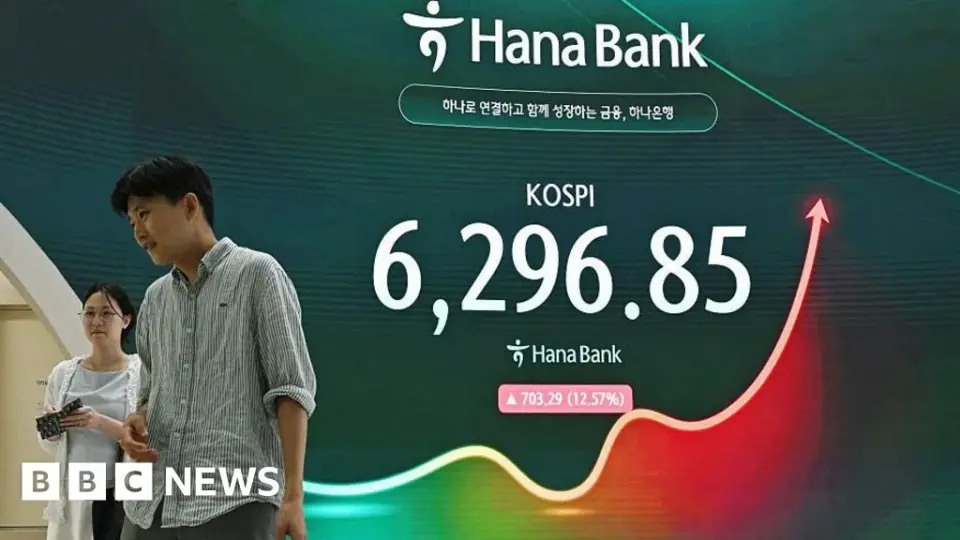
South Korea’s Kospi index surged 14% on Friday, marking its largest one-day gain on record, as a sharp reversal followed a month of extreme volatility. The rally was driven by strong U.S. tech earnings, SK Group Chairman Chey Tae-won’s purchase of SK Hynix shares, and foreign investor buying. While SK Hynix jumped 30% in Seoul, its U.S.-listed shares declined, highlighting a widening divergence. Analysts debate whether this signals a durable recovery or merely a temporary relief rally amid persistent leverage and AI bubble concerns.
Key points
- The Kospi index rose 14%, its largest single-day increase on record, reversing a recent 5% drop.
- SK Hynix shares surged 30% in South Korea, while Samsung Electronics also saw significant gains.
- The rebound was triggered by upbeat U.S. tech earnings from Microsoft, Amazon, and Meta, reinforcing AI infrastructure spending expectations.
- SK Group Chairman Chey Tae-won disclosed purchases of SK Hynix shares, boosting confidence in the memory chipmaker.
- Foreign investors and short-covering by leveraged ETFs were identified as primary drivers of the rally.
- SK Hynix’s U.S.-listed ADRs declined despite the Seoul surge, indicating a divergence in global pricing.
Background
This volatility follows a period of intense market turbulence for South Korean chip stocks. In late July, the Kospi dropped 8% amid fears of Chinese competition and AI spending slowdowns, with SK Hynix trading below its IPO price. Just days earlier, Samsung and SK Hynix announced a $950 billion supply pact with U.S. tech firms, signaling strong AI demand. Additionally, the Bank of Korea raised interest rates in July for the first time in three years to combat inflation driven by the semiconductor boom, adding macroeconomic pressure to the sector.
How outlets are covering it
CNBC emphasizes the mechanical nature of the rebound, citing foreign investor buying and short-covering as key drivers, while noting that SK Hynix’s AI-memory fundamentals remain strong. Barron’s highlights the divergence between the 30% surge in Seoul and the decline in U.S.-listed shares, framing the move as a potential warning sign of instability. BBC’s coverage is minimal, focusing on the broader market surge without detailed analysis. Analysts are split: some view the rally as a sign of a durable recovery, while others, like Paul Gambles, warn that heavy leverage and fragile confidence could lead to a larger correction. The consensus is that the market remains highly volatile and sensitive to AI infrastructure spending trends.
Why it matters
The extreme volatility in South Korea’s chip stocks reflects the global market’s dependence on AI infrastructure spending. The divergence between local and U.S. listings signals potential mispricings and increased risk for international investors. The rally’s sustainability hinges on whether foreign buying continues after short-covering fades, with implications for global semiconductor supply chains and AI investment cycles.
What to watch
Investors are monitoring whether foreign funds continue buying after short-covering subsides. If buying persists, the recovery may be durable; if not, further volatility is likely. Analysts will watch for signs of slowing AI infrastructure spending or increased leverage, which could trigger another sharp correction. The upcoming earnings reports from major tech firms will also provide critical signals on AI demand.
- South Korean shares soar after chip stock rout BBC
- Korean Stocks Jump Record 15% on Renewed AI Trade Optimism Bloomberg.com
- Korea Leads Asia’s Tech Rally; Yen in Focus WSJ
- South Korea's 'bipolar' stock market: meltdowns, a record rally and what's to come CNBC
- SK Hynix Stock Surged 30% in South Korea. It’s Dropping in the U.S. Barron's
Want the full story? Read the original reporting
Read on BBC