As U.S. 10-year Treasury yields exceed 5%, top investors debate whether to buy bonds or hedge against a potential AI-driven market correction. While some view high yields as a historic opportunity, others warn of rising deficits and recommend gold or Bitcoin.
Foreign investors purchased a record $942 billion in US equities over the 12 months to July 2026, the highest total since 1985. This surge coincided with a sharp decline in overseas demand for US debt, as foreign buyers of Treasuries fell to $188 billion in the second quarter. The shift reflects strong performance in the S&P 500 and diversification efforts by investors in Asia, particularly Korea, while China’s Treasury holdings dropped to their lowest level since 2008.
Treasury Secretary Scott Bessent’s attempt to lower bond yields by repurchasing $6 billion in long-term government debt backfired, causing yields to spike to their highest levels since late 2023 and triggering a stock market sell-off. The 10-year Treasury yield surged to 4.85%, while the 20- and 30-year yields reached 5.3%. Investors reacted negatively to the move, viewing it as a sign that the government is defending specific price points rather than addressing underlying economic fundamentals. This intervention follows a series of recent market actions by Bessent, including currency support for Japan, but has failed to calm the 'fever' in bond markets driven by rising inflation, high national debt, and trade policies.
A University of Virginia law class is analyzing a hypothetical U.S. debt default, reflecting growing anxiety over the nation's fiscal trajectory. The U.S. national debt has surpassed $40 trillion, with annual interest payments reaching $1.25 trillion, exceeding the entire defense budget. While the 30-year Treasury yield has returned to 2007 levels, analysts warn that the current debt-to-GDP ratio makes the situation far more precarious than previous high-interest periods. Foreign investors are increasingly diversifying away from U.S. assets, and the Treasury is intervening in bond markets to stabilize yields.
Billionaire investor Stanley Druckenmiller warned that Social Security benefits will likely face cuts due to unsustainable U.S. debt and rising bond yields. He criticized Treasury Secretary Scott Bessent’s plan to expand bond repurchases, arguing it masks deeper fiscal issues. Bessent defended the strategy, calling Druckenmiller’s critique a mistake. The debate highlights tensions between market-driven yield control and structural budget reforms.
Global bond markets experienced a significant selloff, pushing yields to their highest levels since the 2008 financial crisis. This move reflects heightened investor caution and rising borrowing costs across major economies.
Bitcoin surged past $80,000, marking its strongest weekly gain since late 2024, driven by a historic short squeeze and shifting macroeconomic policies. Analysts suggest this rally may signal a broader bull-market reset rather than a temporary bounce.
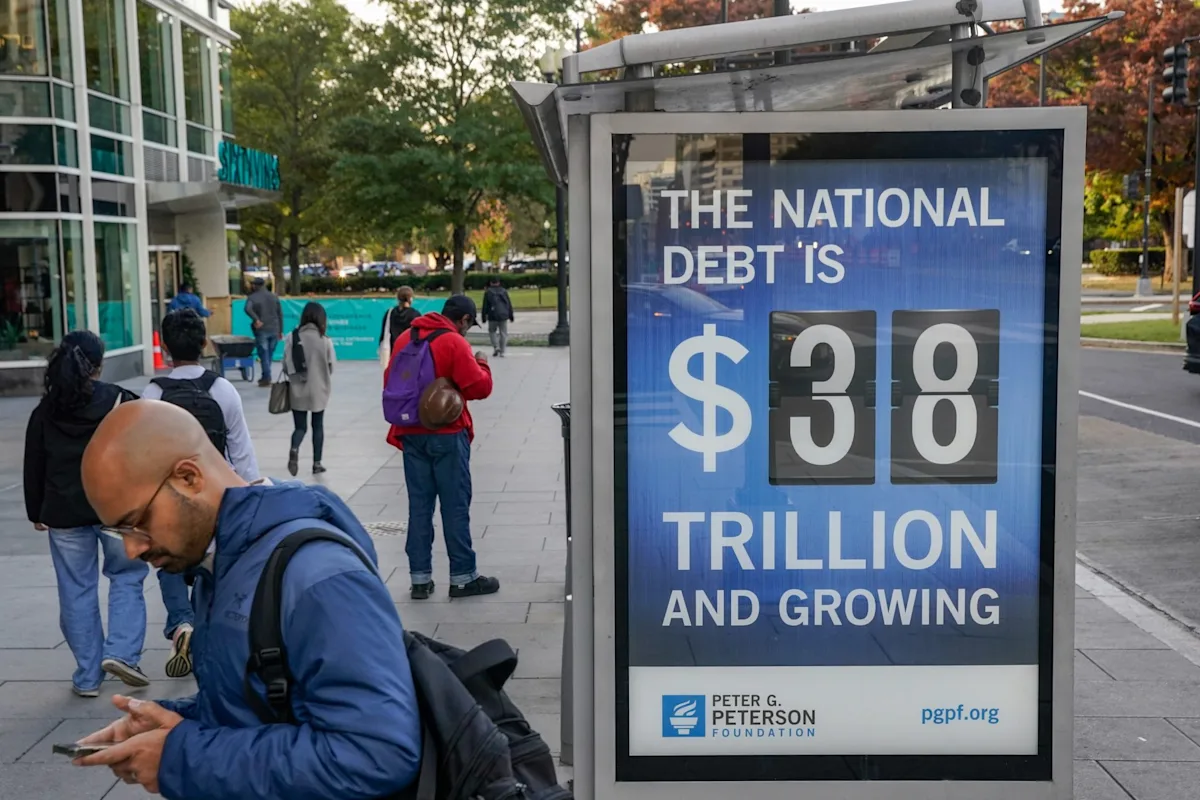
As US debt surpasses $38 trillion, the shift from foreign government holders to profit-driven private investors and hedge funds increases market volatility and financial fragility, with experts warning that relying on financial engineering and false hopes won't sustain the economy without credible deficit control plans.
The US debt has surged to $38 trillion, with a significant shift from foreign governments to private investors and hedge funds, raising concerns about market stability and the potential for increased volatility, as experts warn that the era of easy borrowing is over and call for credible fiscal reforms.
The Federal Reserve plans to end its quantitative tightening program on December 1, which will stop draining liquidity from the financial system and may support higher stock prices and lower long-term Treasury yields, potentially acting as an effective interest rate cut and boosting financial markets.
DoubleLine Capital's Bill Campbell predicts that aggressive interest rate cuts by the Federal Reserve will steepen the US yield curve, boost risk-taking in credit markets, and lead to wider yield differentials, especially as the US faces large maturing debt and potential policy easing amid weak labor data.
Wall Street's main indexes opened slightly lower amid concerns over the Federal Reserve's independence following President Trump's decision to fire a Fed governor, leading to a rise in Treasury bond yields.
Weak demand at a recent 30-year Treasury bond auction led to higher yields, signaling investor disappointment and potential concerns for the Treasury market, especially as similar issues appeared in 10-year and 3-year auctions this week.
Deutsche Bank's strategist proposes the 'Pennsylvania Plan' to manage US debt by reducing reliance on foreign investors and encouraging domestic investment, amidst limited appetite for direct fiscal reforms, with potential policy shifts including stablecoins and banking regulation changes to support the plan.
Global markets are entering a critical week with key inflation data and Treasury bond auctions that could influence the ongoing stock rally and Federal Reserve policy decisions, amid concerns over persistent inflation and economic growth.