
VIX Spikes 11 Points as S&P 500 Drops 4.4%, Triggering Historical 'Buy the Fear' Debate
The Cboe Volatility Index (VIX) surged 11.57 points to 28.18 on November 5, 2026, marking its largest one-day jump since April 2025. This spike coincided with a 4.41% drop in the S&P 500 and a 6.5% fall in the Nasdaq 100. Historical data suggests such volatility spikes often precede a market recovery, with the S&P 500 gaining a median 4.8% over the following six months in 19 similar instances since 1990. However, the first month after such spikes often sees negative average returns, and options traders remained heavily bearish on semiconductor stocks, indicating lingering fear.
Key points
- The VIX jumped 11.57 points to 28.18 on Nov. 5, its biggest daily move since the April 2025 tariff 'Liberation' week.
- The S&P 500 fell 4.41% and the Nasdaq 100 dropped 6.5%, marking the S&P's largest single-day decline since April 3, 2025.
- Bespoke Investment Group data shows that in 19 similar VIX spikes since 1990, the S&P 500 had a median return of 4.8% six months later, rising 79% of the time.
- The average one-month return after such spikes was negative 0.4%, driven by severe downturns in 1990 and February 2020.
- Options traders remained bearish on the VanEck Semiconductor ETF (SMH), with puts accounting for $1.5 billion of $1.7 billion in total premium.
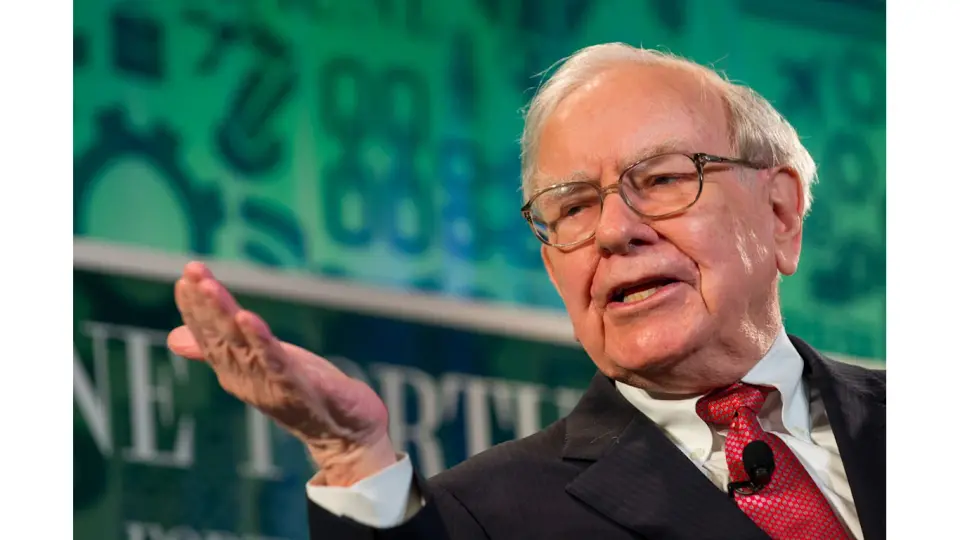
- Warren Buffett's 1986 shareholder letter advises being 'greedy only when others are fearful,' but he explicitly stated he does not attempt to predict when fear arrives or departs.
Background
This volatility follows a period of heightened uncertainty surrounding US midterm elections and AI sector sustainability. Earlier in October, markets had already experienced declines due to fears that a Democratic sweep of Congress could trigger stricter AI regulation and data center restrictions. The AI trade had lost $5 trillion in value by late October as investors rotated into defensive sectors, demanding proof of profitability over speculative growth. The November 5 selloff appears to be an extension of these concerns, compounded by geopolitical risks and economic data.
How outlets are covering it
24/7 Wall St. and Yahoo Finance present the event through the lens of Warren Buffett's 'be greedy when others are fearful' maxim, emphasizing the historical median gains over six months. They highlight the word 'only' in Buffett's 1986 quote to argue that the rule is conservative and requires widespread fear. CNBC, however, focuses more on the immediate market mechanics and the 'buy the blood' adage, noting that while the long-term outlook is positive, the short-term pain is real, with the average one-month return being negative. All sources agree on the magnitude of the VIX spike and the bearish options positioning in semiconductors, but 24/7 Wall St. and Yahoo Finance place greater weight on the historical recovery data, while CNBC emphasizes the risk of further downside in the immediate term.
Why it matters
The sharp VIX spike and market decline signal a potential shift in investor sentiment from greed to fear, which historically has preceded market recoveries. However, the heavy put buying in semiconductor stocks suggests that investors are still bracing for further declines in the tech sector, which is a major driver of market performance. For long-term investors, this event may present a buying opportunity, but the negative average one-month return indicates that the market may continue to fall in the short term. The outcome will depend on whether the fear subsides or escalates, influenced by factors such as AI spending sustainability, midterm election results, and geopolitical developments.
What to watch
Investors should monitor the VIX for a return to calmer levels or continued climbing, as well as options trading in semiconductor stocks for signs of persistent bearishness. The next few weeks may see continued volatility, with the market potentially falling further before recovering. Key indicators to watch include the VIX level, semiconductor put/call ratios, and any shifts in AI sector spending or regulation following the midterm elections.
- Wall Street's Fear Gauge Jumped More Than 11 Points In A Day. Buffett's Most Famous Rule Says It Might Be Time To Get Greedy. Here's Where The Market Has Historically Gone Over The Next 6 Months. 24/7 Wall St.
- Wall Street’s Fear Gauge Jumped More Than 11 Points In A Day. Buffett’s Most Famous Rule Says It Might Be Time To Get Greedy. Here’s Where The Market Has Historically Gone Over The Next 6 Months. Yahoo Finance
- Wall Street's fear gauge may be flashing a buy sign CNBC
- The VIX Hasn't Surged Like This Since 2021 Barron's
- Phones 'explode' on Wall Street as 'steamroller' shows up for the AI trade Reuters
Want the full story? Read the original reporting
Read on 24/7 Wall St.