
Coalition and Cable Lobby Challenge FCC Repeal of 39% TV Ownership Cap
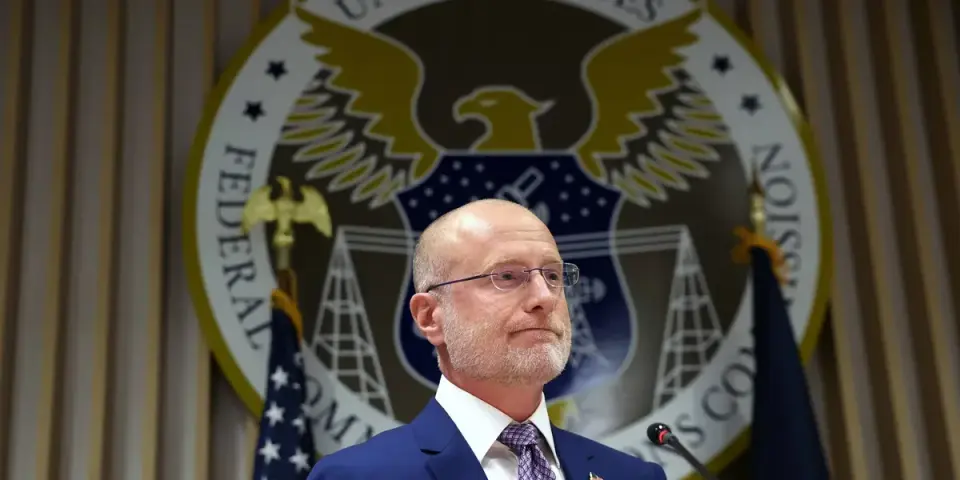
A coalition of nonprofits and unions has filed an emergency petition to block the FCC's repeal of the 39% national TV ownership cap, arguing the agency lacks the legal authority to override a congressional mandate. Cable industry groups have simultaneously threatened lawsuits, warning that the repeal will raise consumer bills through increased retransmission fees. The FCC, led by Chair Brendan Carr, maintains it can replace the cap with case-by-case reviews to promote public interest, despite prior approvals of massive mergers like the Nexstar-Tegna deal.
Key points
- On October 9, a coalition including Free Press, Reporters Without Borders, and various labor unions filed a motion to stay the FCC's repeal of the National Television Multiple Ownership Rule.
- The FCC officially published its order repealing the 39% cap on October 1, following an August 6 vote by the Republican-controlled commission.
- Critics argue the rule was established by Congress in 2004 and can only be changed by legislative action, not by the agency.
- Cable lobby groups representing major operators like Comcast and Charter have notified the FCC of intent to sue, citing potential increases in retransmission consent fees for consumers.
- The FCC previously waived the cap to approve the $6.2 billion Nexstar acquisition of Tegna, a deal that would reach 80% of US households.
- Chair Brendan Carr argues the agency can replace the cap with a 'case-by-case' review process to evaluate mergers on a public interest basis.
Background
This dispute follows a series of recent FCC actions that have drawn criticism for prioritizing political alignment over regulatory consistency. In August, the FCC approved the Nexstar-Tegna merger despite the 39% cap, and in September, a coalition challenged the Paramount-WBD merger. Additionally, ABC recently altered its political coverage to avoid FCC license threats, highlighting broader concerns about the agency's influence on media independence.
How outlets are covering it
Common Dreams and RSF emphasize the democratic and pluralistic harms of consolidation, arguing the FCC acted arbitrarily and ignored congressional law. Ars Technica highlights the legal conflict, noting that cable groups view the repeal as 'arbitrary and capricious' because it will raise consumer costs, while the FCC claims it has the authority to modify rules outside of quadrennial reviews. MediaPost presents a more balanced view, noting that while critics fear job losses and higher bills, proponents argue the repeal allows TV stations to compete with digital media and potentially sustain local news jobs. All sources agree that the Nexstar-Tegna deal, which reached 80% of households, serves as a primary example of the consolidation the repeal enables.
Why it matters
The outcome of this legal challenge will determine whether the US maintains a statutory limit on media ownership or shifts to a discretionary model. If the repeal stands, it could accelerate the consolidation of local news markets, potentially reducing viewpoint diversity and increasing costs for consumers through higher retransmission fees. It also sets a precedent for the FCC's authority to override congressional mandates in media regulation.
What to watch
The coalition and cable groups are expected to file lawsuits in US appeals courts to seek preliminary injunctions. The FCC is unlikely to voluntarily stay its own order, meaning the resolution will likely depend on judicial review of the agency's statutory authority. The Nexstar-Tegna integration remains paused pending a separate antitrust lawsuit filed by DirecTV.
- Coalition Files Emergency Motion to Stop Trump FCC From Unleashing Media Consolidation Spree Common Dreams
- Cable lobby to sue Trump FCC over repeal of national TV ownership cap Ars Technica
- FCC's Station Cap Decision: TV Jobs Vs. Cable Bills? 10/09/2026 MediaPost
- USA: RSF and coalition move to block FCC rollback of broadcast ownership cap RSF
- NewsGuild joins emergency petition to pause FCC order allowing broadcast monopolies | The NewsGuild - TNG-CWA The NewsGuild - CWA
Want the full story? Read the original reporting
Read on Common Dreams