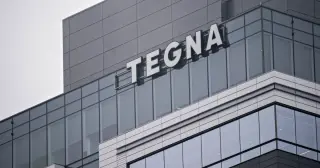
A judge granted a seven-day extension to the restraining order tied to Nexstar’s proposed merger with Tegna, giving more time for the case while the deal proceeds; a correction note updates the spelling of Nexstar CEO Perry Sook’s name to Sook.
Nexstar asked a California federal court to force DirecTV and several states, including Colorado, to post a $150 million bond to cover losses if its $6.2 billion merger with Tegna is delayed by an antitrust lawsuit; the judge is weighing whether to extend a temporary injunction on the deal while concerns about reduced competition and impact on local journalism are debated, and Nexstar argues the bond would offset anticipated costs, though the exact amount was not intended for public release.
A federal judge in Sacramento signaled he could block Nexstar’s $6.2 billion takeover of Tegna, potentially halting a deal that would give Nexstar control of 265 stations and about 80% of U.S. households. State attorneys general and DirecTV warn the merger would lessen competition and harm local journalism and could raise prices; Nexstar argues the deal would strengthen local news economics. A preliminary injunction order is expected soon, and Tegna would continue operating independently if blocked.
A federal judge issued a temporary restraining order blocking Nexstar’s $6.2 billion merger with Tegna, sending Nexstar’s stock down about 13% as investors fear a lengthy delay; the ruling, backed by DirecTV and several states over antitrust concerns, sets a hearing for April 7 and complicates the FCC waiver that had cleared the deal, potentially delaying or reshaping the transaction with implications for both companies’ shareholders.
A U.S. district judge issued a temporary restraining order blocking the integration of Nexstar and Tegna, citing potential reduced competition and harm to consumers. The order requires hold-separate management, keeping Tegna independent in decisions over retransmission negotiations, newsroom staffing, and operations, while the case proceeds. The FCC had allowed the deal to exceed the 39% national ownership cap via a waiver, spurring further challenges from DirecTV, state attorneys general, and consumer groups. Nexstar must respond by April 1, and a hearing on a possible preliminary injunction is scheduled for April 7.
A federal judge issued a 14-day temporary restraining order blocking Nexstar’s $6.2 billion acquisition of Tegna, delaying the merger and barring integration until an April 7 hearing amid DirecTV’s lawsuit alleging reduced competition and higher distributor prices; eight states have joined lawsuits, and the FCC has approved the deal despite opposition and Trump’s prior support.
A federal judge granted a temporary restraining order to pause Nexstar’s planned merger with Tegna amid antitrust concerns raised by DirecTV and several states; the 14-day halt blocks integration, a preliminary injunction hearing is set for April 7, and Tegna must operate as a separate, independently managed unit pending further review.
Nexstar’s $6.2B acquisition of Tegna has closed, allowing Nexstar to own Denver’s 9News and Fox31 under a waiver that enables three-station ownership; the consolidation is expected to drive newsroom integration and cost-cutting, with fears of significant Denver layoffs and reduced local reporting, while antitrust lawsuits and federal approvals shape the path forward and raise questions about Kyle Clark’s role and community outreach.
Eight states asked a federal judge for a temporary restraining order to halt Nexstar Media Group's $3.5 billion merger with Tegna, arguing the FCC and DOJ approval, followed by a quick closing, would consolidate control, reduce local news, cut jobs, raise cable bills, and allow the merged group to elevate pay-TV fees and erase separate local news operations in some markets. If not blocked, the deal would expand Nexstar’s reach to about 80% of US TV households, aided by an FCC waiver; Judge Troy Nunley will review the request. The merger has drawn bipartisan scrutiny and concerns about concentration of media power, with Nexstar and Tegna as major local-television players (Nexstar >200 stations; Tegna 64 stations in 51 markets).
California and seven other states filed an emergency motion for a temporary restraining order to block the $6.2 billion Nexstar-Tegna deal, arguing it violates federal antitrust laws and could raise consumer prices, just hours after the FCC and DOJ approved the merger.
Nexstar Media Group has completed its $6.2 billion acquisition of Tegna, merging more than 260 local broadcast TV stations after the FCC and DOJ approved the deal and waived the 39% ownership cap, despite antitrust lawsuits from eight state attorneys general and DirecTV.
The Trump administration approved Nexstar’s $6.2 billion takeover of Tegna, lifting the National Television Ownership Rule to give Nexstar 265 local stations across 44 states (roughly 132 of 210 TV markets) despite an antitrust suit from eight state attorneys general; the deal drew criticism from a Democratic FCC commissioner who warned it could reduce local journalism and competition, while Nexstar’s CEO credited Trump and FCC leadership for moving it forward.
Nexstar Media Group closed its $6.2 billion merger with Tegna after approvals from the FCC and the DOJ, creating a national broadcast powerhouse with around 260 stations. The FCC imposed conditions—selling six stations within two years, boosting local news, and extending retransmission agreements—while California and other states filed antitrust lawsuits and DirecTV joined a separate suit to block the deal, highlighting ongoing concerns about media consolidation and localism.
Nexstar has closed its $6.2 billion acquisition of Tegna, creating a local‑TV powerhouse with about 265 stations reaching roughly 80% of U.S. homes. The deal, cleared by the DOJ and FCC after lawsuits from eight states and DirecTV, requires Nexstar to divest six stations within two years. The FCC waived a cross‑ownership cap to approve the merger, while critics warn of reduced newsroom diversity and higher prices. Nexstar plans to integrate Tegna’s assets to boost local journalism, though legal challenges remain.
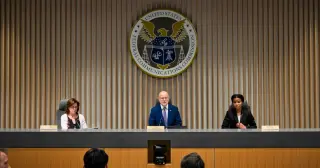
The U.S. Federal Communications Commission approved the proposed merger of Nexstar and Tegna, two major local-TV owners, potentially reshaping ownership and competition in the broadcast market.