
FCC Repeals 39% TV Ownership Cap, Unblocking Major Broadcast Mergers
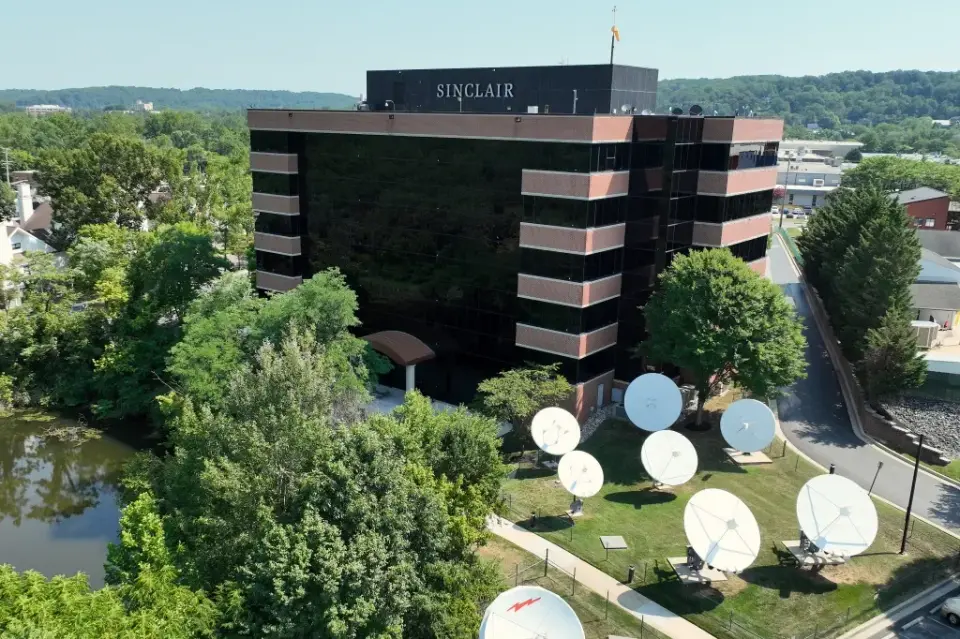
The FCC voted 2-1 to eliminate the 39% national cap on TV station ownership, replacing it with case-by-case reviews. This move, championed by Chairman Brendan Carr, is expected to facilitate major industry mergers, including Nexstar's pending acquisition of Tegna, though it faces immediate legal challenges and criticism from Democrats who argue only Congress can alter the law.
Key points
- The FCC voted 2-1 to repeal the 39% national audience reach cap for broadcast stations, a rule in place since 2004.
- The cap will be replaced by a case-by-case review process for mergers, a shift supported by industry leaders like Sinclair and Nexstar.
- FCC Chairman Brendan Carr argued the old rules are obsolete in the streaming era and hinder local broadcasters from competing with tech giants.
- Nexstar Media Group, the largest local TV owner, is seeking to acquire Tegna in a $6.2 billion deal that would reach 60% of households, a transaction currently blocked by a federal judge.
- Sinclair CEO Chris Ripley stated the repeal 'de-risks' large-scale M&A opportunities, while the company reported Q2 revenue of $840 million but net losses of $1.06 per share.
- Democratic Commissioner Anna Gomez called the vote 'unlawful on its face,' asserting that only Congress can change a cap codified in federal law.
Background
The 39% cap was established by Congress in 2004, raising a previous 35% limit from the 1990s. In 2003, the FCC attempted to raise the cap to 45%, but Congress intervened to set the current limit and removed it from the FCC's quadrennial review process. Recent FCC actions, including a one-time waiver for the Nexstar-Tegna merger, have sparked debates over the agency's authority to bypass congressional statutes. The current vote follows months of industry lobbying, with the National Association of Broadcasters arguing that outdated rules threaten local journalism in the face of streaming competition.
How outlets are covering it
Supporters, including FCC Chairman Brendan Carr and Sinclair CEO Chris Ripley, argue the cap is an 'outdated regulation' that prevents local broadcasters from achieving the scale necessary to compete with streaming services and social media. Carr emphasized that the rule constrained national programmers rather than empowering local stations. Conversely, opponents, including Democratic Commissioner Anna Gomez and Senator Michael Bennet, contend the move is 'blatantly political' and unlawful because Congress explicitly codified the cap in 2004. Critics warn that eliminating the cap will accelerate consolidation, reduce viewpoint diversity, and allow large national corporations to dominate local news markets, potentially leading to layoffs and the replacement of local content with nationalized programming.
Why it matters
The repeal of the 39% cap fundamentally alters the regulatory landscape for U.S. broadcast television, removing a primary barrier to corporate consolidation. This decision is expected to unlock significant mergers, most notably Nexstar's $6.2 billion acquisition of Tegna, which could result in a single entity reaching 60% of U.S. households. The shift to case-by-case reviews introduces uncertainty for smaller station owners and may lead to further legal challenges, as critics argue the FCC exceeded its statutory authority. The outcome will determine the future structure of local news, potentially centralizing control in fewer hands and impacting the diversity of voices in American media.
What to watch
Legal challenges to the FCC's decision are widely expected, with opponents arguing the agency lacks the authority to repeal a cap set by Congress. Nexstar and Tegna will continue to navigate the Ninth Circuit Court of Appeals regarding their merger, which is currently subject to a 'hold-separate' order. Sinclair and other large owners are expected to pursue additional M&A opportunities now that the regulatory barrier is removed. The FCC will likely face scrutiny from Congress, particularly from Democrats, who may seek to intervene or challenge the legality of the new case-by-case review process.
- Sinclair CEO Chris Ripley “Couldn’t Be Happier” About Expected FCC Repeal Of Federal Ownership Cap Deadline
- Federal Communications Commission scraps limit on broadcast TV ownership NBC News
- FCC plows ahead with scrapping TV ownership cap Politico
- FCC Removes Cap on Local TV Ownership Bloomberg
- FCC expected to get rid of ownership caps for local TV Colorado Public Radio
Want the full story? Read the original reporting
Read on Deadline